
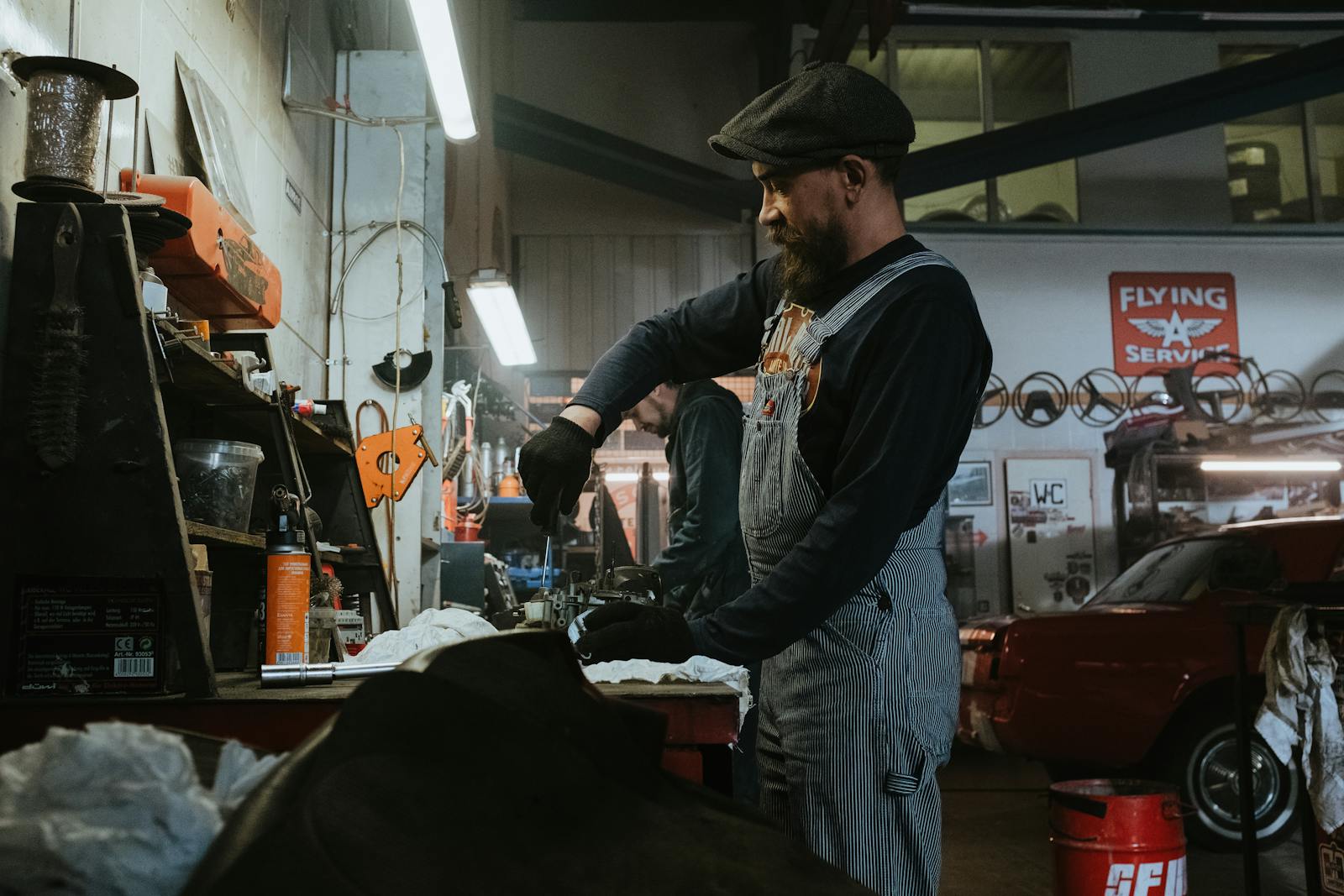

It started like a normal drop-off: an older SUV rolling into a small independent shop, the kind with a slightly crooked sign and a service counter that’s always got a half-finished coffee on it. The mechanic on duty had seen the driver before—same guy, same vibe—someone who treated car maintenance like it was a scam invented by people in coveralls.
The customer wasn’t there for anything dramatic. He wanted an oil change and a quick “look over,” because the vehicle had been “making a little noise” and the check engine light had “been on for a bit,” but he swore it was probably just a sensor. He handed over the keys like he was doing the shop a favor, then stood too close to the counter, eyes flicking around at everything like he was clocking potential lies.
The mechanic did what mechanics do: got it on the lift, checked for leaks, pulled codes, listened, and started building a picture. It wasn’t a great picture, and the worst part was that none of it was the kind of problem you could fix with a quick reset and a shrug.

The “invented problems” conversation
Once the SUV was up in the air, the shop found the usual signs of a vehicle that hadn’t been treated kindly. The oil was dark and thin, the kind that’s been cooked too long, and there were hints it had been run low at least once. A scan showed a misfire code and some fuel trim issues—nothing that screamed “instant death,” but enough to say, clearly, “this needs attention.”
Then came the part the mechanic dreaded: explaining it. He went out with notes and a rough estimate, not for a full rebuild or anything, but for the stuff that would stop the situation from getting worse—diagnosing the misfire properly, checking compression, looking at the PCV system, maybe spark plugs and coils depending on what they found, and dealing with an oil seep that looked like it was getting ambitious. It wasn’t a small number, but it also wasn’t “sell the car tomorrow” money.
The customer listened with that tight little smile people get when they’re already mad but trying to stay polite. He latched onto the words “might be” and “we’d need to” like they were confessions. And then he did the classic move: he said the mechanic was “inventing problems” and padding the bill because “that’s what shops do.”
The mechanic didn’t explode or get cute about it. He just repeated the facts, offered to show the codes, and explained what happens when misfires and low oil conditions keep happening. The customer waved it off and asked for “just the oil change,” acting like everything else was optional add-ons the shop was pushing like a menu of expensive sides.
The shop draws a line without making a scene
Most places have learned the hard way that you can’t force someone to care about their own car. The mechanic wrote up the oil change, noted the warning signs on the paperwork, and tried one more time to keep it friendly: “If you want us to dig into that misfire, better to do it now than later.” The customer’s answer was basically, “Yeah, yeah, I’ll think about it,” delivered in the tone of someone who definitely wouldn’t.
When the customer came to pick it up, he did another lap of suspicion. He asked if the shop had even changed the oil, wanted to see the filter box, and stared at the invoice like he was searching for hidden fees that weren’t there. The mechanic stayed calm, because getting into it with someone like that never ends with anything but a headache.
What stuck with the mechanic was the customer’s parting shot—something along the lines of, “Funny how you guys always find something.” It wasn’t shouted, but it was loud enough to land. And it was the kind of comment that makes you feel like you just did an hour of careful work for someone who thinks you’re a con artist by default.
The SUV left the lot sounding no better than when it arrived. It didn’t die immediately, which is exactly why people keep gambling with warning signs—they get rewarded, briefly, with the illusion that everything’s fine.
Weeks of ignoring the obvious
For a while, nothing happened in a way the shop could see. No angry follow-up call, no sudden return for diagnostics, no “Hey, can you squeeze me in?” appointment. The mechanic assumed the guy either took it somewhere else for a cheaper opinion or did what a lot of people do: turned the radio up and treated the check engine light like decorative lighting.
But vehicles don’t forget. Misfires don’t heal themselves, oil consumption doesn’t reverse out of shame, and a faint knock doesn’t get quieter because someone’s tired of hearing it. The mechanic could picture it: the customer accelerating onto a highway, feeling a stutter, noticing it “only happens sometimes,” and deciding that meant it wasn’t real.
Meanwhile, the internal math inside the engine kept running. If the oil level dropped again, if that misfire was washing down a cylinder, if the engine was running hotter than it should, the wear would compound quietly until it crossed the line from “fixable” to “catastrophic.” The mechanic had warned him, but warnings don’t matter when someone’s convinced the messenger is lying.
The comeback: tow truck, different attitude
Then, weeks later, the shop saw the same SUV again—only this time it wasn’t driving in under its own power. It arrived on a tow truck, nose slightly angled, looking limp in that unmistakable way dead cars do. The customer climbed out of the tow truck with a different kind of energy: not smug, not suspicious, just tense and already angry at the universe.
He didn’t start with an apology. He started with pressure. He wanted to know if the shop could “take a look right now,” because he “needed the car” and this was “unacceptable.” He talked like the breakdown was something that had happened to him personally, like a betrayal, instead of the final step in a pattern.
The mechanic pulled the keys from the tow driver, checked the dash, and tried to crank it. The engine didn’t sound like a misfire anymore—it sounded like metal arguing with itself. There’s a particular kind of dead rattle that makes your stomach drop, a noise that says, “Something inside here came apart,” and it doesn’t take long to realize you’re no longer in diagnostic territory so much as damage assessment.
When they checked the oil level, it was low again. Not “a little below the line” low, but “where did it all go” low, and the oil that was there looked tired and glittery in a way no one wants to see. The mechanic didn’t make a show of it; he just took notes, because the conversation that was coming was going to be ugly no matter how gentle he was.
The $7,000 number and the fight about reality
The shop confirmed what the sound had already suggested: the engine was done. Whether it was a spun bearing, a failed timing component, or damage from prolonged misfire and low oil, the end result was the same—internal failure. The path forward wasn’t “replace a few parts,” it was “replace the engine or rebuild it,” and either option was going to hurt.
When the mechanic put together a rough estimate—engine replacement, fluids, gaskets, labor, and the incidental stuff that always stacks up—the total landed around $7,000. It was the kind of number that makes someone go quiet for a second before they start trying to renegotiate the laws of physics. The customer’s face did that slow shift from stunned to offended, like the mechanic had just suggested selling a kidney.
He immediately tried to rewind time verbally. He insisted the car had been “fine” when it left the shop last time. He asked how an engine could just “blow up” after an oil change, and you could hear the accusation in the question even if he didn’t say it outright. He circled the same idea over and over: that this had to be the shop’s fault, because accepting any other explanation meant accepting he’d ignored warnings that mattered.
The mechanic kept it clinical. He pointed to the prior paperwork where the shop had noted the misfire code and recommended diagnosis, where they’d advised checking the oil consumption and investigating leaks. He explained, again, how engines fail when they’re run low on oil and driven with ongoing issues. And the customer, cornered by documents and logic, did the thing people do when they can’t win the argument: he got louder about “trust” and “integrity” instead.
In the end, the SUV sat there like a heavy prop in a bad play. The customer didn’t have $7,000 sitting around, and he wasn’t ready to admit the previous warning hadn’t been a hustle. He talked about calling corporate—there was no corporate—and hinted at lawyers in that vague way people do when they want the threat to do the work without actually taking the step.
The mechanic didn’t get a neat resolution, just that familiar sour feeling of being blamed for someone else’s denial. The customer left with the same distrust he’d arrived with, only now it had a blown engine attached to it, and the shop was stuck holding a dead vehicle and an estimate that sounded like an insult. What lingered wasn’t satisfaction or vindication—it was the uncomfortable reality that some people would rather argue about whether a problem is real than spend a fraction of the cost preventing it.
More from Steel Horse Rides: