


He’d been saving for this car since he was fourteen, the kind of slow, stubborn saving that comes from mowing lawns in the heat, taking every extra shift they’d give him, and saying “nah” to things his friends didn’t think twice about buying. Two years of crumpled cash, paycheck stubs, and a little spreadsheet on his phone that he checked like it was a scoreboard. By the time he turned sixteen, he had a number in his head that felt unreal: enough for a decent used car if he didn’t get greedy.
So when a silver sedan popped up for sale locally—clean photos, a familiar make, a price that didn’t scream scam—he latched onto it. The seller sounded normal in messages, not overly pushy, not sketchy with the spelling. He said he was selling because he’d “upgraded” and didn’t need a second car anymore, and he was happy to meet in a public place so the teen could look it over with his mom.
They met in a grocery store parking lot on a bright afternoon, the kind that makes every bad decision feel like it’ll turn out fine. The car looked good in person: no obvious rust, interior not trashed, tires with tread, and it started without drama. The seller had a confident little rhythm—popping the hood like it was a magic trick, pointing at things with a key fob, talking fast about “regular maintenance” and “just got the oil done.”
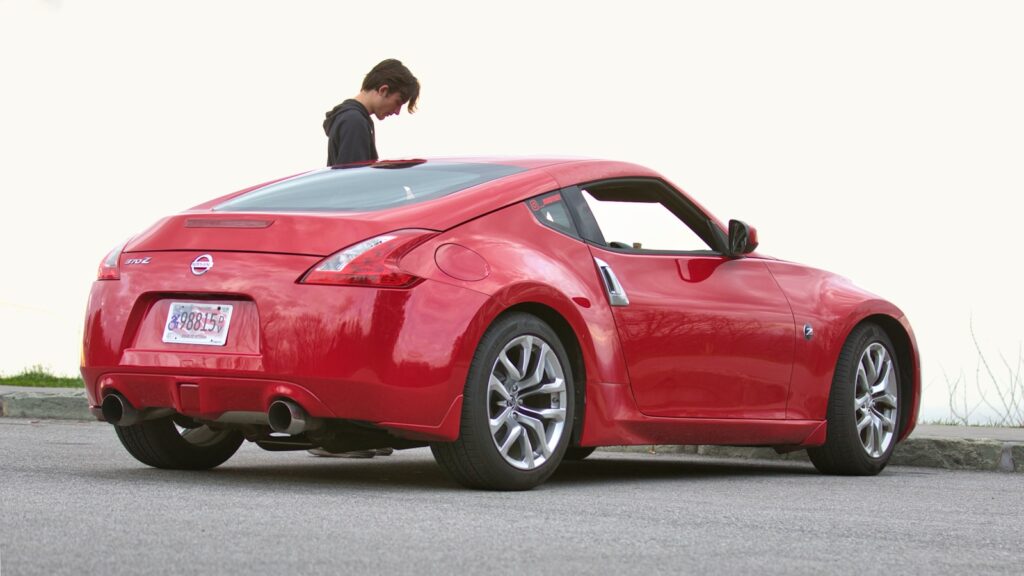
The parking lot test drive that felt like a victory lap
The teen drove it around the lot first, then out onto the road with his mom in the passenger seat and the seller in the back, casually scrolling his phone like he’d done this a hundred times. No clunks, no grinding, no loud rattles that screamed “walk away.” The teen’s shoulders unclenched with every mile, and by the time they looped back, he was already talking like the car was his.
His mom did the usual mom stuff—asked about the title, asked why he was selling, asked if there were any issues that “we should know about.” The seller gave the kind of answers that sound reassuring without actually saying anything: “It’s been a great car,” “never left me stranded,” “I wouldn’t be selling if I didn’t need the space.” He even tossed out a line about how it would be “a perfect first car,” like he was doing the kid a favor.
They didn’t take it to a mechanic. The teen had mentioned it, but the seller acted mildly inconvenienced and said he couldn’t do another day, he had “plans,” and other people were messaging him. That part landed the way it always does in these situations: a tight little time crunch that makes caution feel like overthinking. The mom hesitated, did that quiet calculation parents do between risk and relief, and then they handed over the money and got the title signed.
Ten minutes of freedom, then the first warning light
The teen drove home like he was floating, windows cracked, hands at ten and two, glancing at the dashboard like it might start applauding him. His mom followed behind in her own car, because she didn’t fully trust the thing yet. He was already planning what he’d put in the cupholders, where he’d stash the aux cord, and how he’d show it off without seeming like he was showing it off.
Then, a few miles in, the check engine light clicked on.
It wasn’t flashing. Nothing exploded. The car didn’t jerk or sputter, which almost made it worse because it created that weird limbo where you can talk yourself into believing it’s nothing. He drove the rest of the way with his heart doing that cold, slow drop, staring at the little amber icon like it had personally betrayed him.
He pulled into the driveway and just sat there with the engine idling, waiting to see if the light would magically turn off, like maybe it had made a mistake. His mom pulled in behind him, saw his face, and her own expression shifted instantly from “proud parent moment” to “what happened.” The teen pointed at the dash without even speaking.
The seller’s tone change: from friendly to slippery
They called the seller right away. At first, he picked up with the same upbeat voice he’d had in the parking lot, like they were calling to say thanks. The mom kept it polite—maybe it’s a loose gas cap, maybe it’s nothing, but the light came on during the drive home and they wanted to know if he’d seen it before.
There was a pause on the line that lasted just long enough to feel intentional. The seller said something like, “That’s weird,” and then followed it with the oldest move in the used-car playbook: “It wasn’t on when you test drove it.” He suggested they “run it a bit” and see if it clears, like the car just needed to settle into its new life.
The teen could hear the shift, even if he couldn’t name it. The seller stopped sounding like a guy making a smooth sale and started sounding like someone trying to end a conversation. When the mom asked again, more directly, if there were any known issues, he got defensive—short answers, a little irritated laugh, the kind of “I don’t know what you want me to say” tone that makes your stomach tighten.
They hung up and drove straight to an auto parts store because it was the fastest way to get a code read without waiting days for a mechanic. The teen sat in the parking space while an employee plugged in the scanner and read out a code that didn’t sound trivial. It wasn’t a “tighten your gas cap” kind of situation; it was the kind of code that implies something expensive is either failing or being masked.
The disappearing act: blocked, unanswered, gone
They called the seller again from the parking lot. This time it went to voicemail. They tried again—voicemail. The teen tried from his phone—voicemail. His mom tried texting, calm at first, then firmer: the light came on almost immediately, the scan showed an issue, they wanted to talk about returning the car or covering repairs.
No response.
By that evening, the listing had disappeared. The seller’s profile—at least the one attached to the messages—was either gone or suddenly inaccessible. The teen refreshed the conversation thread obsessively, watching it sit there unchanged, the last cheerful message from the seller now feeling like it belonged to a different person.
They still had the title paperwork and a name, but the phone number was now a dead end. The mom tried searching the name and found multiple similar ones, none clearly him. The teen did the thing anxious people do: he replayed every moment of the sale, hunting for the point where he should’ve noticed something—how quickly the seller dismissed the mechanic idea, how he’d been a little too ready with reassurance, how he’d kept the conversation moving like he didn’t want them to stop and think.
The aftermath in the driveway: the car that feels like a trap
The next day, the teen didn’t want to drive it. He didn’t even want to sit in it. It was parked out front like a trophy that had turned into evidence, and every time he saw it he got hit with the same wave of anger and embarrassment.
His mom made calls—mechanics, the DMV, anyone who might tell them what their options were. The answers were frustratingly consistent: private used car sales are often “as-is,” and unless you can prove the seller intentionally hid a known problem, you’re usually stuck. The teen heard those words—usually stuck—and went quiet in a way that scared his mom more than yelling would’ve.
When they finally got it properly inspected, the news landed like a punch. The code wasn’t a random glitch; it pointed to a problem that could mean a major repair bill. The mechanic didn’t say the seller definitely rigged anything, because mechanics don’t talk like that, but he did explain how easy it can be for someone to clear codes right before a sale and let the car run just long enough to look fine.
That detail—how simple it could’ve been—made it feel personal. Like the seller didn’t just sell a bad car; he sold a plan. The teen kept thinking about the test drive and how the seller sat in the back seat scrolling his phone, totally relaxed, like he knew exactly how much time they had before the dashboard told the truth.
Now the car sat there with its light still glowing, the teen’s first big purchase turned into a daily reminder of how fast “I did it” can become “I got played.” They hadn’t found the seller again by the time the story was being told, and that was the part that made it sting the most: not just the money, but the way someone could take two years of work and disappear into the same streets they’d met on, leaving a kid staring at an amber warning light like it was a countdown he never saw coming.
More from Steel Horse Rides: