

He’d been counting down to his license the way some kids count down to graduation. Not because he was obsessed with driving for the sake of it, but because there was a very specific prize waiting on the other side: his grandpa’s old truck. The truck wasn’t fancy, wasn’t new, and didn’t even have working speakers half the time, but it was the one thing his parents had been weirdly consistent about for years.
Every time the topic of turning sixteen came up, they’d say the same thing: “When you get your license, the truck is yours.” It became part of the family script, right up there with birthday traditions and holiday routines. His grandpa used to call it “the old beast,” and the teen had grown up hearing stories about hauling lumber, getting stuck in snowdrifts, and driving home from the hardware store with the tailgate tied up by rope.
So when he walked out of the DMV one afternoon with that fresh plastic card in his wallet—his license, finally—he expected one of those small, satisfying moments where something promised becomes something real. Instead, he came home to an empty spot in the driveway and his parents acting like the weather was the most interesting thing in the world.
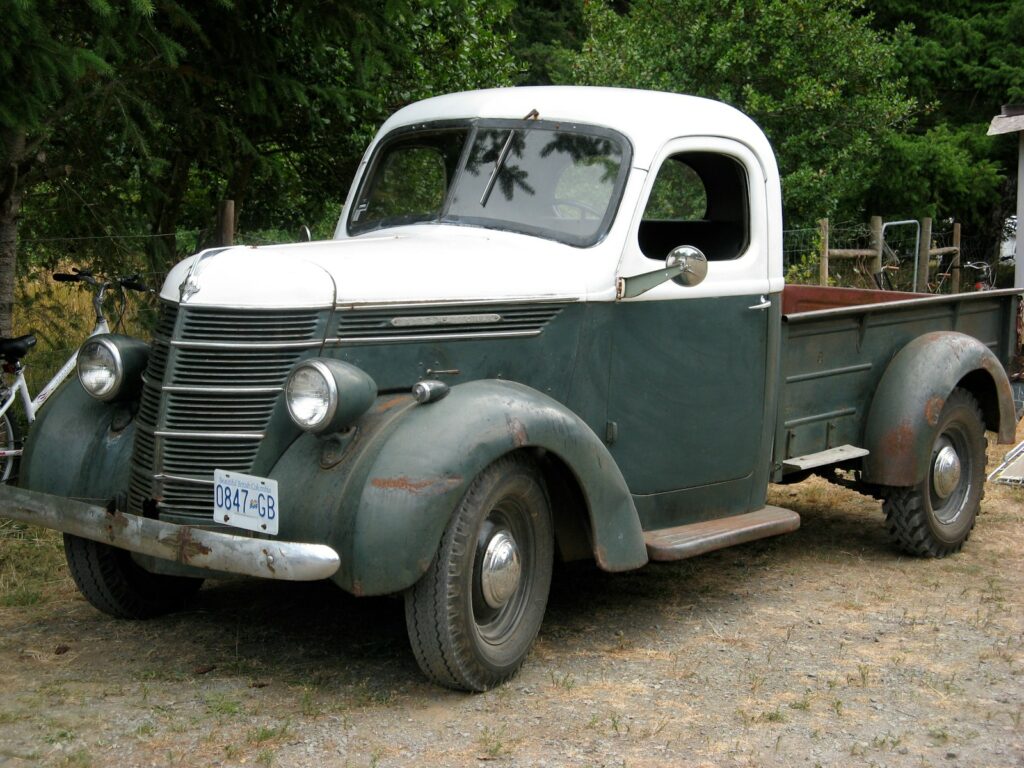
The truck was more than a vehicle in that house
The truck had been around long enough to feel like a family member. It sat in the driveway like a permanent fixture, sun-faded paint and a dent in the rear quarter panel that nobody ever fixed because the dent had a story. Even when the family bought a newer SUV, the truck stayed, mostly used for dump runs, weekend projects, and the occasional “we need something that can actually carry this” errand.
When Grandpa passed, the truck didn’t get sold off with other things. It stayed put, almost like the parents didn’t want to deal with the emotional logistics of getting rid of it. And because they didn’t need the money at the time, the teen’s idea that it would naturally become his started to feel less like a wish and more like a plan everyone had silently agreed on.
There were even little rituals around it. The teen would help his dad change the oil, hand over tools, wipe grease off his hands on old rags, and listen to stories he’d already heard but didn’t mind hearing again. His dad would toss out lines like, “You’ll need to learn this stuff if you’re gonna be driving it,” and his mom would roll her eyes and say, “He’s going to treat it like his baby.”
That was the thing: it wasn’t just transportation. It was a symbol of responsibility, family continuity, and that specific kind of teenager dream where you get something imperfect and make it yours. He’d already pictured driving it to school, picking up friends, maybe replacing the cracked floor mat with one he bought himself.
The countdown to the license turned into a countdown to ownership
As the test date got closer, the truck started coming up more often, almost casually. His parents would ask if he’d studied, whether he felt ready, and then—like a dangling carrot—they’d mention the truck again. “One more week,” his mom had said at dinner, smiling like she was doing him a favor. “Then you’ll have your grandpa’s truck and you won’t have to ask us for rides anymore.”
The teen did what teenagers do when they think something’s finally going their way: he planned around it. He told his friends, talked about fixing little things, and started watching videos on basic maintenance. He even looked up insurance costs and tried to be proactive, figuring out what he could pay with his part-time job and what he’d have to ask his parents to cover.
It wasn’t like he thought it would be free, no strings attached. He expected chores, responsibility, probably a lecture about safe driving. But in his mind, the truck itself was settled. It had been promised so many times, in so many ordinary moments, that it stopped feeling like a “maybe” and started feeling like a “when.”
And then, the week before his test, his dad started acting a little strange about the driveway. Suddenly the truck needed “to be moved” or “to be checked out,” and there were more errands than usual that involved his parents going out without him. The teen noticed, but he didn’t have a theory yet. He just assumed they were getting it ready, maybe fixing something quietly so it wouldn’t break down on his first drive to school.
The empty driveway and the weirdly calm confession
On the day he passed, he came home expecting at least some kind of moment: maybe the keys on the counter, maybe his dad making a joke about not wrapping it around a tree. Instead, there was nothing. The truck wasn’t there, and the empty space looked wrong in a way that made his stomach drop before his brain even caught up.
He asked, “Where’s the truck?” in the tone of someone who thinks there’s an obvious explanation. His mom didn’t even look up from what she was doing and said, “Oh, we sold it.” Not “we had to sell it,” not “something happened,” just “we sold it,” like she was talking about an old couch.
The teen stood there trying to process it while his dad added, “It was a good time to get cash for it. Trucks are selling fast.” The delivery was calm, almost proud, like they’d made a smart financial decision and expected him to nod along. His parents kept talking, filling the silence with practical-sounding reasons: it had issues, it wasn’t safe, it was old, it wasn’t worth keeping around when they could turn it into money.
He kept circling back to the same point: “You told me it was mine.” His mom shrugged and said something that made it worse, not better: “We said you could have it when you got your license, but plans change.” His dad tried to soften it by saying they could “help him get something else later,” but he didn’t say when, and he didn’t say how.
The argument wasn’t about metal; it was about trust
At first, the teen argued like someone still hoping for a misunderstanding. Maybe it was a temporary sale, maybe they traded it in, maybe it was at a mechanic’s shop and they were joking. But the longer the conversation went, the clearer it became: they sold it for cash and didn’t think they’d done anything wrong.
He asked how much they got, and his dad answered vaguely, like the number didn’t matter. That vagueness made the teen more furious because it suggested the details weren’t his business—even though the whole thing had been framed for years as a gift to him. When he asked why they didn’t talk to him first, his mom snapped back, “Because you don’t get a vote in what we do with our property.”
That line hit like a slap. Not because it was legally untrue, but because it revealed what the promise actually was: a story they told him, not a commitment they felt bound to honor. The teen wasn’t naive about ownership or money, but he also wasn’t wrong to feel like something had been taken from him after it was dangled in front of him for years.
The fight turned into that classic family spiral where the original issue gets buried under accusations about tone and respect. His parents kept pointing out that he was “acting entitled,” and he kept saying, “You lied to me.” They went back and forth until it stopped being productive and started being loud, with his dad insisting he should be grateful they were even willing to help with a future car, and the teen saying he didn’t want a future hypothetical—he wanted the thing they promised.
The aftermath: a license, no truck, and a house full of tension
The next few days were awkward in the way only family conflict can be. The teen still needed rides, which meant sitting in the same car as the people who’d just pulled the rug out from under him. His parents acted like the argument should’ve burned out quickly, like it was a normal teenage tantrum that would pass if they ignored it.
But he didn’t drop it. He asked where the money went, and they gave him half-answers: bills, savings, “things we needed.” He pointed out that they could’ve used the money for those things and still talked to him first, and his dad responded with a tired, irritated look like the teen was forcing them to justify themselves. The teen started withdrawing—short answers, staying in his room, skipping the usual small talk that kept the household running smoothly.
What made it worse was the way his parents tried to patch it with vague future promises, the same kind that got him here. They said they’d “keep an eye out” for a cheap car, maybe help him with a down payment, maybe let him use the SUV sometimes. Every “maybe” sounded like a trap now, because he’d already learned what their promises were worth when it actually mattered.
And hovering over all of it was the quiet grief of the truck itself. Grandpa’s old vehicle was gone, sold to some stranger who would never know why the dent mattered or why the teen’s hands still smelled like oil when he thought about it. The license was supposed to be the beginning of freedom, but instead it became a daily reminder that in that house, words could be reversed without warning—and the hardest part wasn’t losing the truck, it was realizing his parents could look him straight in the face, break a promise they’d repeated for years, and act like he was the unreasonable one for remembering it.
More from Steel Horse Rides: