

He’d barely put his keys down when his brother texted: “Yo, can I borrow the truck for one quick pickup?” The kind of message that sounds harmless on a Tuesday afternoon, like it’s going to be ten minutes and a handshake and then everyone goes back to their lives.
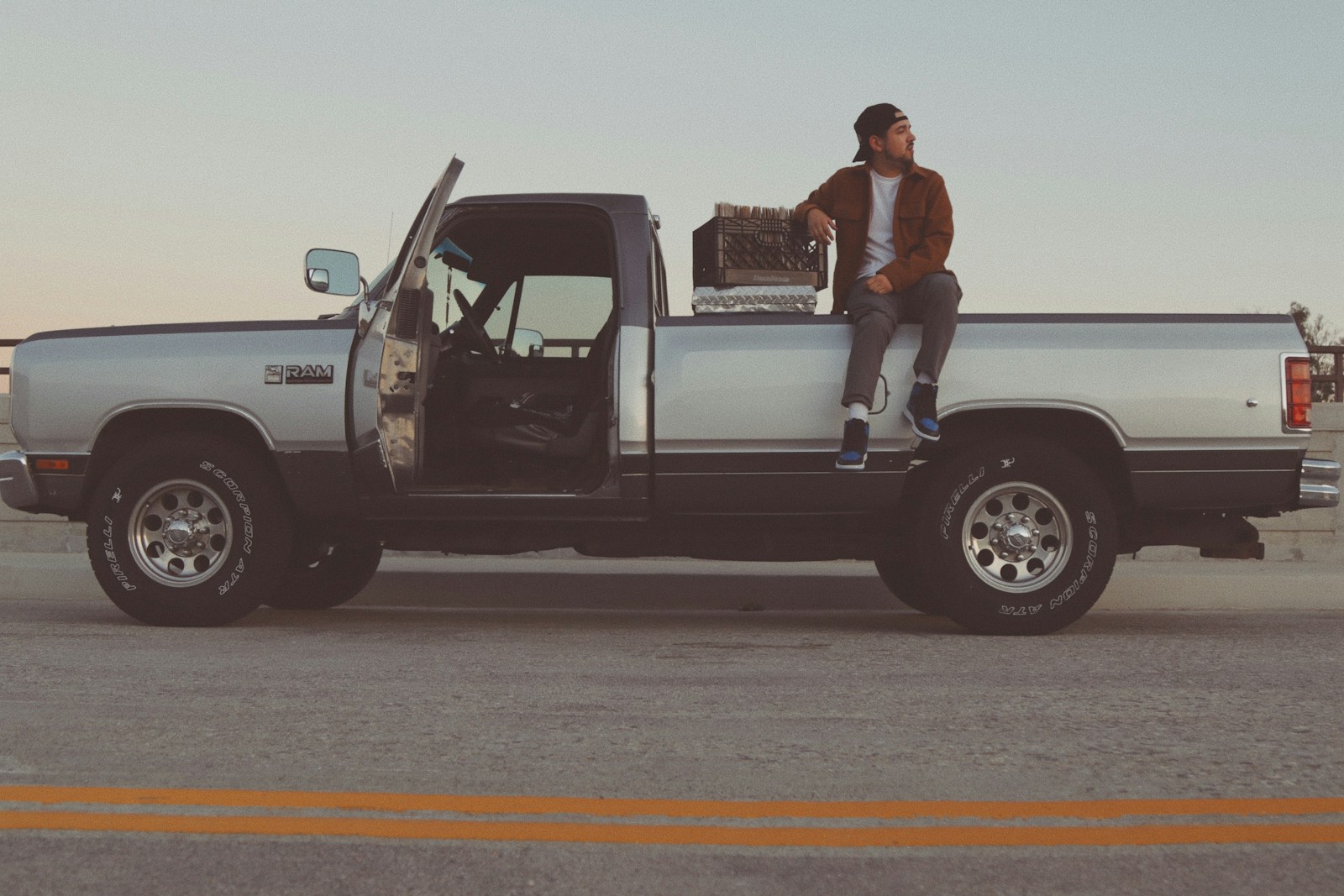
The truck wasn’t some beat-up beater, either. It was his pride-and-joy workhorse—older, but solid, paid off, and maintained because he needed it to actually do things: haul lumber, move appliances, take weekend dump runs without begging friends for help.
He hesitated just long enough to picture all the ways “quick pickup” could turn into a whole saga, then caved anyway. Family, right? His brother had that familiar tone: casual, confident, like the favor was already agreed upon and the only thing left was for him to toss the keys over.

The “one quick pickup” pitch
When his brother showed up, it was the usual sales job. He needed to grab a dresser off a marketplace listing, the seller “only had a short window,” and his own car “couldn’t fit it.” The brother even did the whole responsible-adult routine—promising he’d be careful, promising he’d be back in under an hour.
They did that little dance where the truck owner asked basic questions—where’s it at, how far, do you need straps—and his brother waved it off. “It’s not far,” he said, already reaching for the keys like the conversation was just a formality.
That was the first tiny red flag: the way he avoided specifics. But the owner handed the keys over anyway because he didn’t want to be the guy who makes a family favor feel like a background check.
Silence, delays, and the first weird lie
An hour passed. Then two. The owner sent a quick “Everything good?” text and got back a breezy “Yeah, just loading it up.” That was odd on its own—how long does it take to load a dresser into a pickup?
By the third hour, the texts got thinner and more defensive. “Traffic,” then “had to stop somewhere real quick,” then nothing at all for long stretches. The owner started doing that anxious thing where you tell yourself you’re being dramatic while refreshing your messages like it’s your job.
When he finally called, his brother picked up on the third ring sounding out of breath and annoyed, like the call was an inconvenience. He said he was “almost back,” which became a phrase that lost all meaning over the next ninety minutes.
The truck comes back wrong
It was already getting dark when the truck finally rolled into the driveway. Not parked nicely, either—just kind of lumbered in and stopped, angled like someone had given up halfway through the maneuver. The owner heard the engine note before he even saw his brother’s face, a strained, unhappy sound that didn’t belong.
His brother hopped out fast, like he wanted to outrun the moment. “So, funny thing,” he started, which is the kind of opener that makes your stomach drop because it means the story is about to get expensive.
The owner walked around the truck and immediately noticed the smell. A stale, greasy fast-food fog poured out when he opened the door, and the cab looked like it had been lived in—wrappers, crumpled bags, napkins, and half-melted sauce packets smeared into the console area.
Then he tried to put it in gear. The shifter moved, but the truck didn’t respond right—there was that delay, that slipping feeling, like the transmission was trying to remember how it used to work. When it finally clunked, the sound was loud enough that his brother flinched.
Trash in the cab, denial in the driveway
The owner didn’t even start with the transmission. He pointed at the mess and asked, calmly at first, why his truck looked like a drive-thru dumpster. His brother shrugged like it was no big deal, like wrappers were just part of the driving experience and not something you clean up in someone else’s vehicle.
“I was hungry,” the brother said, as if hunger makes you physically incapable of using a bag or throwing things away. Then he tried to pivot back to the mechanical problem—“It started acting weird on the way back”—as though the greasy chaos in the cab was a minor aesthetic issue compared to whatever was happening under the hood.
The owner asked where he went, because the “quick pickup” timeline suddenly had a lot of room for nonsense. His brother repeated the same vague route details, then slipped and mentioned he’d “had to swing by” a friend’s place first. The owner pressed, and the brother’s story got thinner: friend’s place, then food, then the seller, then “it took longer than I thought.”
It was the kind of explanation that felt like a series of doors closing. Every time the owner asked a basic question—what friend, what address, why the stop—the brother got more irritated, like accountability was rude.
The transmission conversation turns into a fight
When the owner finally said the word “transmission,” the air shifted. He wasn’t diagnosing it like a mechanic; he was saying it the way someone says “hospital,” like a place you don’t want to end up because it means bills and time and disruption.
The brother immediately went into defense mode. “It’s not my fault,” he said, before anyone had even formally blamed him. He insisted the truck must’ve already had issues, because “it’s old,” and he “didn’t do anything.”
That’s when the owner’s patience snapped—not in a dramatic screaming way at first, but in that cold, controlled tone people use when they’re trying not to lose it. He reminded his brother the truck was fine that morning, fine when he handed over the keys, fine until it was gone for hours on some mysterious errand that involved at least one friend stop and multiple fast-food bags.
The brother did the thing where he latched onto one technicality. “I didn’t floor it,” he said, like transmissions only blow up if you confess to doing donuts in a Walmart parking lot. The owner pointed out that “not flooring it” doesn’t explain why the cab looked trashed or why his brother kept dodging the question of what actually happened on the drive.
Then came the moment that made it personal: the brother said, “Why are you acting like this? It’s just a truck.” That line landed like a slap, because it wasn’t just a truck—it was the owner’s transportation, his backup plan, his tool for work and life. And his brother was standing there treating it like an inconvenience he’d borrowed, broken, and now wanted absolution for.
What “helping family” costs
The owner told him he needed to pay for the damage, or at least split whatever the shop found, because the truck wasn’t drivable without risking making it worse. His brother laughed a little—more scoff than laugh—and said he didn’t have that kind of money, which wasn’t a negotiation so much as a wall.
They went in circles: the owner explaining consequences, the brother repeating that he “didn’t do anything,” and then jumping to emotional arguments. “So you’re really gonna make a big deal out of this?” “You really think I did it on purpose?” “You care about this truck more than me?”
Meanwhile, the owner was still picking trash out of the cupholders, pulling sticky receipts out from between the seats, trying to keep his hands busy so he wouldn’t say something that would permanently salt the relationship. Every wrapper felt like a tiny extra insult—the kind you only leave when you’re sure someone else will deal with it.
By the time the brother left, nothing was resolved. No apology that felt real, no plan for repairs, just a lot of huffing and “I’ll see what I can do,” delivered in the same tone as “I’m not doing anything.”
Later, with the driveway quiet again, the owner stood next to his truck and listened to it tick as it cooled, like it was counting down to the mechanic’s verdict. The mess in the cab could be cleaned, sure—but the blown transmission was the kind of problem that turns favors into grudges, and family into a liability you start planning around. What stuck with him wasn’t even the money yet; it was how quickly his brother went from “one quick pickup” to acting like the damage was just bad luck that happened to land on someone else’s responsibility.
More from Steel Horse Rides: