
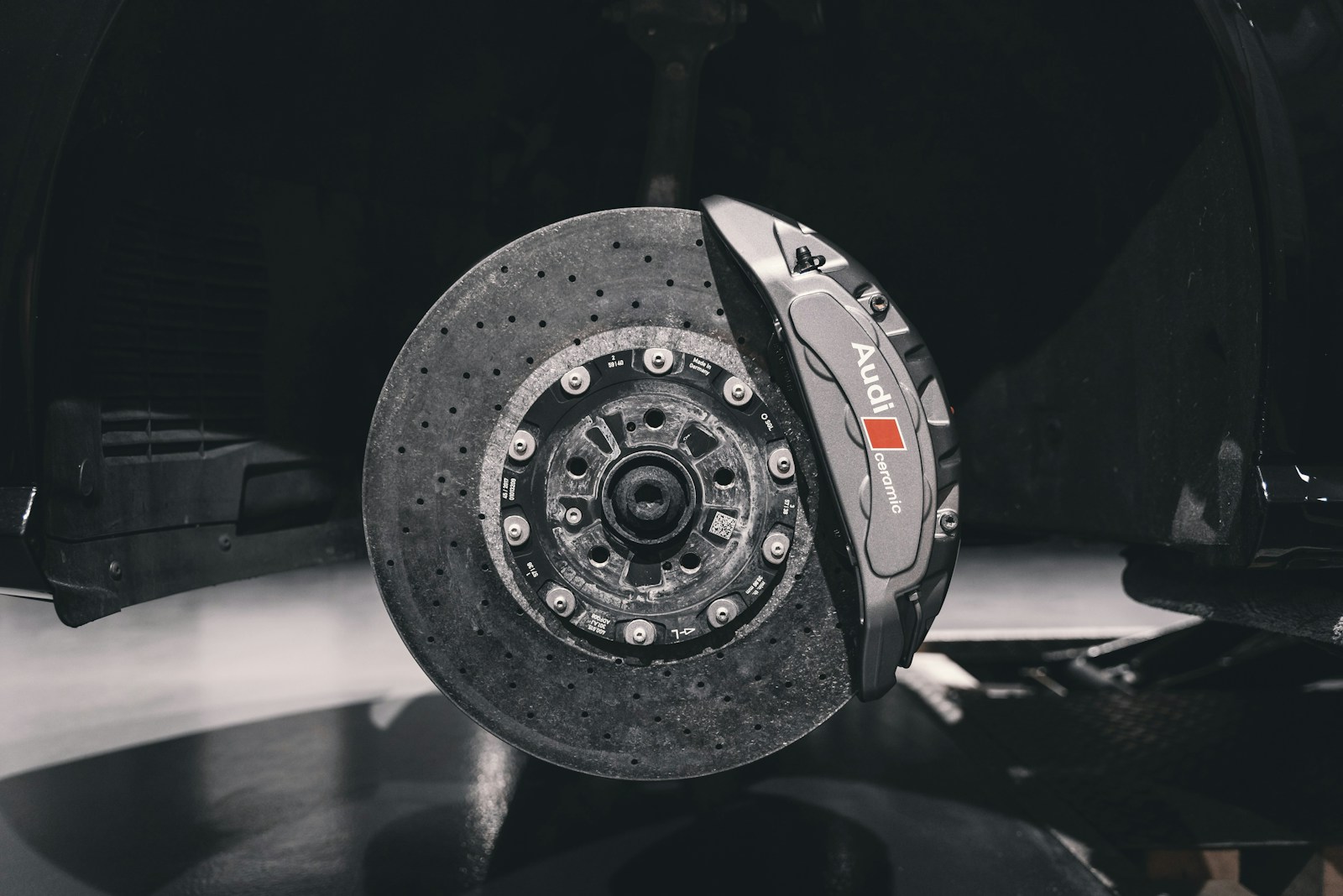

The mechanic had that sixth sense you only get after years of seeing the same mistake dressed up in different outfits. A guy rolled into the shop late morning with a mid-2000s SUV, windows down, music up, acting like he was knocking out errands. He said the brakes were “a little noisy,” like it was an aesthetic issue.
They pulled it in, got it on the rack, and the mechanic’s face did the thing mechanics’ faces do when they’re trying not to scare the customer before they’ve even said hello. The front pads were basically gone, down to the backing plate, and the rotor looked like it had been chewed. You could see fresh scoring and that bluish heat tint that says the system’s been cooking.
And the customer? He wasn’t panicked. He wasn’t even curious. He had that tight, skeptical squint of someone who’s already decided the person in front of him is about to “sell” him something.
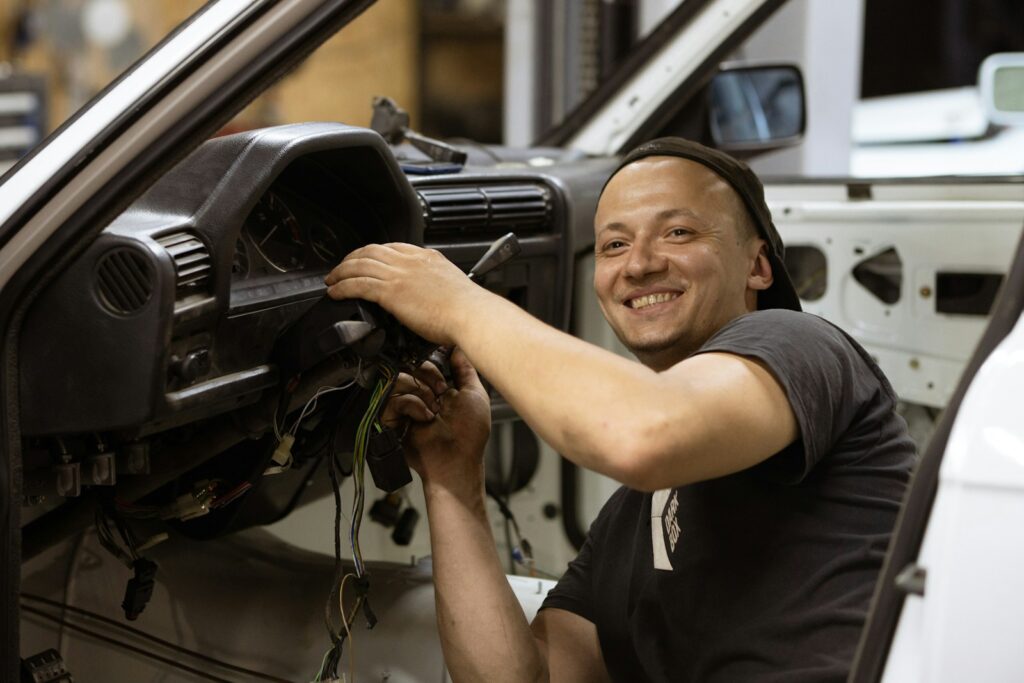
The estimate that landed like an insult
The mechanic came out with the numbers, but he didn’t lead with the price. He led with what he could physically show: metal-on-metal contact, caliper pins gummed up, a rotor surface that looked like a record someone attacked with sandpaper. He explained it the way you explain a stove fire—simple, direct, no extra seasoning.
“You shouldn’t drive this,” he told him, and he meant like, don’t even drive it home. The mechanic offered options: tow it, leave it, borrow a shop loaner if they had one free, at least let them do the front axle today and talk about the rear later. The customer didn’t absorb any of that; he heard “brakes” and “money” and his guard went up.
He stared at the paper like it was a personal attack. “That’s insane,” he said, loud enough for the waiting area to go quiet for a second. He started naming prices he’d seen online, as if a screenshot of a parts website was the same thing as a functional brake job.
“I thought you were upselling me”
The mechanic tried to slow him down. He pointed out that the cheapest pads on the internet don’t include labor, don’t include rotors, don’t include seized hardware, don’t include the reality of what happens when you’ve waited until it’s grinding. He even offered to walk the guy back into the bay and show him the damage up close.
The customer declined the tour like it was a timeshare presentation. He insisted the brakes “still stop,” which is the kind of statement that makes professionals inhale through their teeth. “I’ve got stuff to do,” he said, tapping his phone, already halfway into the mindset that the mechanic was wasting his day on purpose.
The mechanic did what shops do when they’re trying to protect themselves and still be human. He repeated, clearly, that it wasn’t safe to drive, that he recommended towing, and that if the customer chose to leave, it was against advice. The customer signed the form with that angry little flourish people do when they want their signature to look like a threat.
As he walked out, he tossed back the line like it was a mic drop: “I thought you were upselling me.” Not even “I’ll think about it,” not even “I’ll get a second opinion.” Just a flat accusation, like the mechanic’s entire career was a hustle aimed specifically at him.
The sound you don’t forget
The SUV didn’t glide out of the lot so much as scrape its way out. The first stop sign at the end of the street was close enough that the shop guys could see him creep up to it. When he hit the brakes, there was that unmistakable grind—loud, raw, metallic—like a shopping cart getting dragged across concrete, only heavier.
One of the techs actually winced and looked away. The mechanic just watched, arms crossed, because there’s a point where you’ve said your piece and all you can do is hope physics is merciful. The customer made the turn anyway, the vehicle lurching a little, as if the braking force was uneven or he had to press harder than he expected.
He didn’t get far. The shop went back to work, the day swallowed up by oil changes and inspections, and the moment faded into that background hum of “people are wild.” The mechanic figured, if he’s lucky, the guy will park it and call someone else to fix it just to prove a point.
But about an hour later, the tow truck rolled in.
The return trip no one had to narrate
The tow operator backed up like it was a routine drop, chains clinking, diesel idling. On the bed sat the same SUV, front wheels strapped down, looking suddenly smaller and less confident than it had an hour earlier. The customer climbed out of the tow truck passenger side, not storming this time, just moving stiffly like his pride had weight.
He didn’t make eye contact at first. He walked into the office with his shoulders set, like he’d decided the best defense was to act like this was always the plan. The mechanic met him at the counter with that neutral face customer-service people perfect over time, the one that says, I’m not going to humiliate you, but I’m not going to pretend either.
“So,” the mechanic said, not even trying to be clever, “what happened?” The customer rubbed his forehead and exhaled hard, that sound people make when they want the room to understand how unfair their day has been. “Brakes went out,” he muttered, like it was an ambush.
He admitted—carefully, in pieces—that the pedal started feeling weird, then it took more distance to stop, then there was smoke. He’d pulled into a parking lot and called for a tow because he wasn’t about to drive it back after that, which was almost funny in a tragic way. The exact thing he’d refused to do when the vehicle was merely dangerous, he did once it became terrifying.
The awkward part: the same estimate, only worse
The mechanic didn’t gloat. He did, however, ask to see it again, because a tow-back usually means the situation has moved from “replace wear items” to “replace consequences.” They rolled it into the bay, pulled the wheels, and the damage had upgraded itself.
The rotors were worse, the caliper on one side looked heat-stressed, and the brake fluid had that dark, cooked look like it had been through a crisis. They found metal debris where it shouldn’t be, and the hardware that might’ve been reused earlier was now a mess. It was the same job, but with more parts, more labor, and less room for “maybe.”
When the mechanic printed the updated estimate, the customer stared at it like he’d been personally betrayed by numbers. “That’s higher than before,” he said, voice cracking into that indignation people reach for when they’re trying not to admit they’re scared. The mechanic nodded, simple and calm: “Because you drove it.”
That was the moment the tension shifted. The customer wasn’t angry at the mechanic anymore; he was angry at the fact that the mechanic had been right, and there’s nowhere to put that anger without it ricocheting back into embarrassment. He asked if there was any way to “work with him” on the price, suddenly very interested in negotiation, suddenly speaking softly.
The mechanic offered what he could: prioritize safety, replace what was non-negotiable, revisit anything optional later. But he didn’t apologize for the first estimate, and he didn’t pretend the tow truck was a misunderstanding. The customer signed again, slower this time, and slid his card across the counter like it was heavier than it should’ve been.
When he sat down to wait, he didn’t scroll his phone with that earlier swagger. He just stared at the floor, occasionally glancing at the bay door like he was trying to catch a glimpse of his own mistake being lifted into the air. And the mechanic, back under the hood of somebody else’s car, couldn’t unsee the pattern: the way distrust turns basic maintenance into a showdown, right up until reality takes the wheel and makes the decision for you.
More from Steel Horse Rides: