
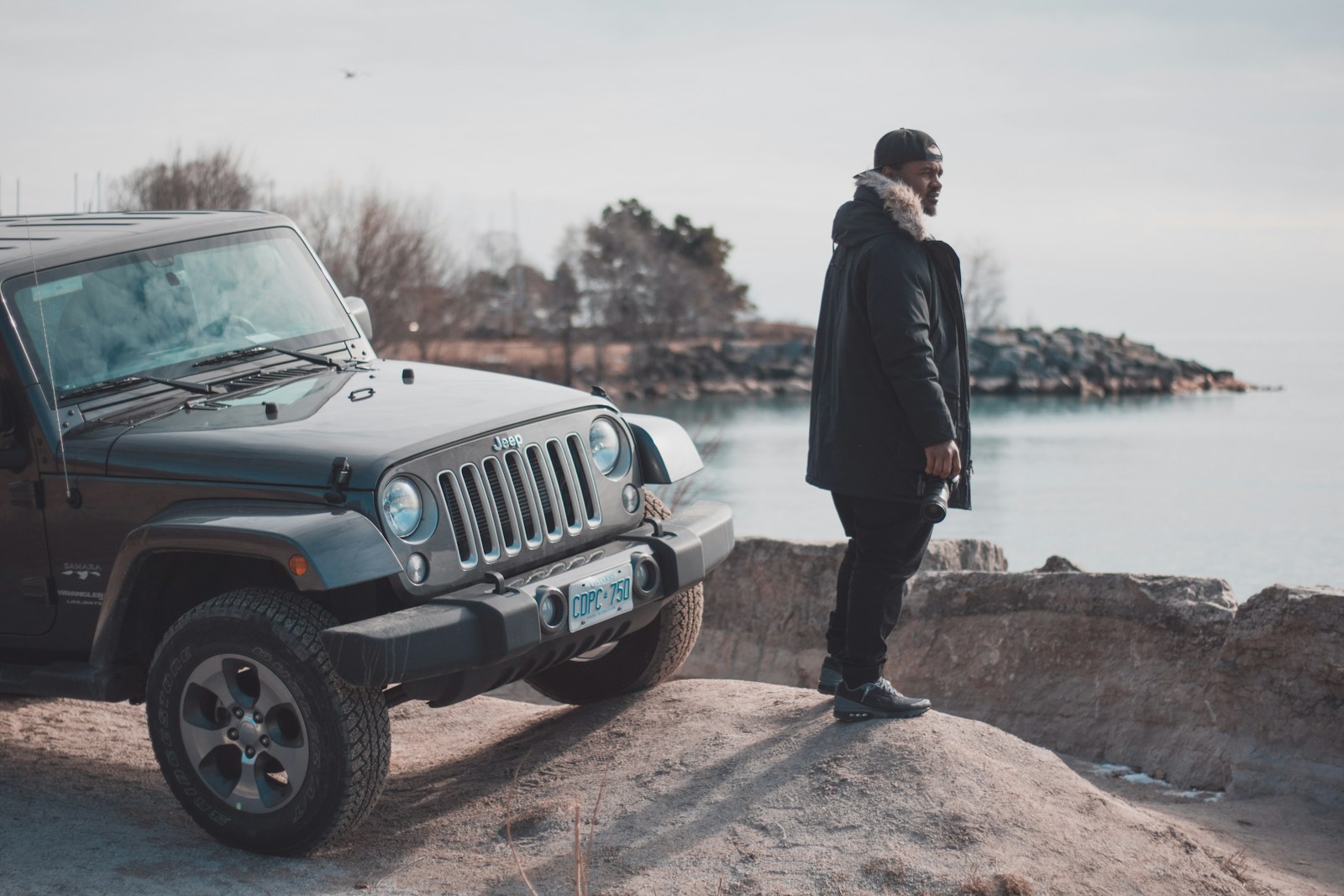

He’d only owned the Jeep for eight months, which meant he was still in that careful, slightly proud phase. Not “garage queen” careful, but the kind of careful where you rinse the salt off the undercarriage, keep a microfiber cloth in the center console, and know exactly what every new scuff mark looks like. The recovery gear wasn’t just random stuff tossed in the back, either—it was the little kit he’d pieced together over time: a soft shackle, a tree saver strap, a decent tow strap, gloves, a D-ring or two, and the folding shovel he’d convinced himself he’d definitely need one day.
Then his friend asked to borrow it for a camping trip. Not a casual “I need to move a couch” borrow—a whole weekend, out in the woods, with buddies and coolers and whatever plans people make when they’ve watched too many off-road videos. The friend sold it like it was a compliment: “Dude, your Jeep is perfect for this,” like borrowing it was basically appreciating it.
The owner hesitated, because he always did, and then he did what people do when they don’t want to be the uptight guy in the group. He handed over the keys with a quick rundown—nothing dramatic, just a couple boundaries: no mud pits, don’t take it on anything you wouldn’t take your own car on, and if you use any of the gear, put it back. The friend grinned, said “Of course,” and tossed a promise over his shoulder like it weighed nothing.
The Hand-Off: “It’s Just a Weekend”
The friend showed up the morning of the trip wearing the energy of somebody already in vacation mode. He did the whole appreciative lap around the Jeep, thumped a tire like it was a horse, and made a joke about finally getting to “use it for what it’s made for.” The owner laughed, but it was that small, uneasy laugh people do when they hear a sentence they don’t like but don’t want to pick a fight over.
They did a quick walk-through anyway. The owner pointed out where the recovery stuff lived, how the back window latch stuck sometimes, and the one annoying sensor that liked to chirp when it rained. The friend nodded along, already half turned toward the driver’s seat, tapping the key fob and asking about the stereo like the Jeep was temporarily his.
Before he left, the owner added one more thing: “Just bring it back how you got it.” The friend gave him the confident two-finger salute, the kind that says you’re overthinking, and promised it would be fine. The Jeep pulled away clean, still looking like it belonged in someone’s driveway instead of a trailhead.
The Return: A New Collection of “Character”
He didn’t hear much all weekend besides a couple blurry photos: a campfire, a cooler on a tailgate, a vague shot of trees. The friend texted on Sunday that he was “on the way,” which turned into “running a little late,” which turned into the Jeep rolling in after dark with a different vibe than when it left. Headlights washed across the driveway, and the owner felt that little tightening in the stomach before he’d even stepped outside.
Up close, it was obvious. Not catastrophic, but wrong. There were fresh scratches on the passenger side—thin, pale lines that ran along the doors like the Jeep had been hugged by branches that didn’t love it back. The front bumper had new scuffs, and the wheels were packed with dried dirt like it had been driven somewhere wet and then left to bake.
The friend hopped out like nothing happened, stretching his back and talking about how “the campsite was sick.” He was still in trip mode, telling stories in fragments while the owner stood there doing a slow walk-around, silent. The owner didn’t even start with the scratches; he went straight to the rear cargo area because that’s where he kept the recovery kit, and because missing gear was the kind of problem that couldn’t be shrugged off as “trail life.”
The Missing Gear: “Oh Yeah… About That”
The rear compartment was a mess. The cargo mat was folded up awkwardly, like someone had been digging around under it without putting things back. The shovel was gone. The soft shackles weren’t in their pouch, and the tow strap that was usually coiled neatly looked like it had been tossed in and stepped on, except even that wasn’t there—because it wasn’t in the Jeep at all.
The owner asked, carefully at first, if he’d used any of the recovery stuff. The friend’s face did that quick, guilty recalibration people do when they realize you noticed something immediately. “Uh, yeah,” he said, like it was no big deal. “We had to pull my buddy’s Tacoma out. It was nothing.”
“So where’s my stuff?” the owner asked. That’s when the friend started rummaging around, doing that performance of searching without really searching. He checked the back seat, glanced under a blanket, then gave a shrug that had way too much confidence for someone missing multiple items that didn’t belong to him.
“I think the strap got kinda messed up,” he said. “And the shackle—one of the guys was handling it, and it might’ve gotten left at the spot.” He said it the way people say, “Might’ve left a hat somewhere,” as if it wasn’t gear that cost real money and mattered for safety.
The Line That Lit the Fuse: “That’s What Jeeps Are For”
The owner finally pointed at the scratches and asked what happened. The friend didn’t even look. He just waved a hand at the side of the Jeep like it was a normal part of owning one. “Dude,” he said, “that’s what Jeeps are for.”
It landed badly, because it wasn’t just the scratches. It was the whole attitude: that the Jeep was a toy, that the owner was being precious, that anything worn or lost could be dismissed with a slogan. The owner told him, flat, that he didn’t lend it out to be treated like a disposable rental.
The friend got defensive fast. He said he’d “barely even taken it off-road,” which didn’t explain the pinstriping along the doors. He said the recovery gear was “meant to be used,” which wasn’t the point because used gear still comes home. Then he tried to pivot into joking again, like if he could get the owner laughing, the whole thing would turn into a funny story instead of a confrontation.
The owner didn’t laugh. He asked for the exact list of what was missing and how it got lost, and the friend started offering vague answers: “It was dark,” “We were in a hurry,” “My buddy said he’d grab it.” Each explanation was basically a way to spread the responsibility thin enough that no one person had to own it.
The Money Talk: When “No Big Deal” Becomes a Number
Once the owner started naming prices—how much a good strap costs, what soft shackles run, what replacing hardware adds up to—the friend’s expression changed. It’s one thing to treat gear like props; it’s another thing when somebody turns it into a receipt. The friend said he didn’t have cash on him, then said he could “throw him something later,” like paying back was optional and timing was his choice.
The owner told him he wanted it replaced, not “thrown something.” That made the friend bristle. He said the owner was acting like he’d “totaled” the Jeep, and that scratches were “literally the point” of owning one. The owner shot back that if the point was scratches and missing equipment, the friend could’ve used his own vehicle and let it be the point of his life instead.
That’s when the friend pulled out the most infuriating move: he offered to help “buff out” the scratches. Not pay for proper paint correction, not offer to cover a detail, just a casual Saturday afternoon of rubbing at someone else’s paint with whatever he had in his garage. It was like he wanted credit for being helpful without actually accepting the premise that he’d caused damage.
They ended the conversation in that brittle way where nobody yells, but the air gets heavy anyway. The friend left without a clear plan to replace the gear, still insisting it was all part of Jeep ownership. The owner stayed in the driveway staring at the missing spot in the cargo area where the kit used to sit, realizing the bigger issue wasn’t the scratches—it was what the friend had just revealed about how he treated other people’s stuff.
Afterward, the owner did what people do when a friendship suddenly feels transactional. He replayed the hand-off, the casual promises, the way his friend had brushed off every concern with a grin. And now the Jeep sat there with new marks on its side and an empty space where the recovery gear should’ve been, like physical proof that “trust me” can be the most expensive sentence a friend ever says.
More from Steel Horse Rides: