

He didn’t go looking for a project truck. He wanted a basic, boring pickup that started every morning, hauled a few weekend loads, and didn’t immediately turn into a negotiation with a mechanic. The listing was exactly that kind of promise: clean photos, a short description, and the magic words every used-truck buyer wants to hear—“no rust.”
The seller didn’t just type it once, either. In messages, he doubled down like it was a personal creed. “No rust anywhere,” “frame is solid,” “I hate rusty trucks, wouldn’t own one,” the whole routine, delivered with that breezy confidence that makes you feel silly for even asking.
So the buyer drove out with cash, a friend who “knows trucks,” and the cautious optimism of someone who’s already been burned once but doesn’t want to admit it. The truck looked decent from twenty feet away, which is exactly how these stories always start: shiny enough paint, straight body lines, tires with actual tread. The seller was already outside, keys in hand, acting like the deal was basically done.
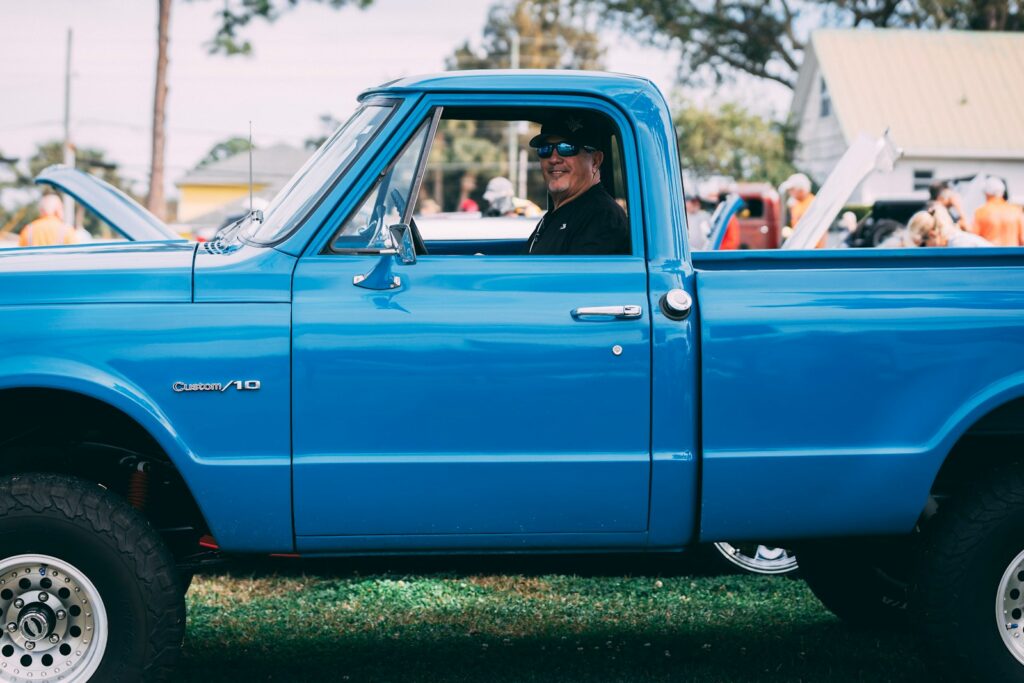
The “No Rust” Sales Pitch
Up close, the seller kept directing attention to anything that wasn’t underneath the thing. He popped the hood fast, like a magician revealing a trick, pointing out recent parts and saying the right words—“runs strong,” “new battery,” “just changed the oil.” He talked about how the truck had “never been in the salt” in the way people say “I barely drink,” meaning they’ve rehearsed it.
The buyer did what careful buyers do: he checked door bottoms, wheel wells, rocker panels, all the obvious places rust likes to show its face first. There was some surface stuff—tiny bubbles, a couple spots that looked like they’d been hit with a paint pen—but nothing that screamed catastrophe. The seller watched him like a hawk, staying upbeat, staying close, laughing off the inspection like it was a quirky personality trait.
When the buyer asked about the frame again, the seller got almost offended. Not angry, just that performative disbelief people do when they’re trying to make you feel paranoid. “Man, I told you, no rust,” he said, and then, like it settled the matter, added, “You can crawl under it if you want, but you’re wasting time. It’s clean.”
The First Crawl Underneath
The buyer did crawl under it, because that’s what you do when someone tells you not to. At first he saw what the seller wanted him to see: dark metal, some undercoating, the general shadowy shapes that all look fine until your eyes adjust. But then he shifted a little, light catching the wrong angle, and the whole vibe changed.
It wasn’t the usual “older truck in a normal climate” brown. It was thick, scaly, layered rust that looked like it had grown in place. The frame rail had the texture of a stale croissant—flaky, swollen, and ready to fall apart if you stared at it too hard.
His friend got down too, did the silent head tilt mechanics do, and then reached up to poke a spot with a finger. A chunk broke loose and dropped to the ground like a dry leaf. That’s when the buyer sat up and looked at the seller, who was still smiling like nothing had happened.
The Awkward Back-and-Forth
The buyer didn’t come out swinging. He asked the question that gives someone a chance to confess without losing face: “So… what’s going on with the frame?” The seller’s smile tightened, and he leaned forward like he hadn’t heard right. “That’s not rust,” he said, which is the kind of sentence that only exists in used-vehicle sales.
Then came the reframing. It was “surface rust,” it was “normal,” it was “just a little scaling,” it was “all trucks have that.” He said the frame was “solid as a rock,” and when the buyer pointed at the missing chunk on the ground, the seller claimed it must’ve been “dirt” or “old undercoating.” The buyer’s friend picked it up between two fingers and crumbled it like a cookie.
The seller shifted strategies again and started talking faster, like speed could fill in the gaps. He offered to knock a few hundred off “for the inconvenience,” phrased like the buyer was being picky. The buyer didn’t even counter; he just asked if they could get it on a jack or ramps to see more of the underside, because the angle in the driveway wasn’t showing everything.
That request landed like an insult. The seller’s tone went from buddy-buddy to annoyed, and he started acting like the buyer was trying to waste his afternoon. “I’ve got other people coming,” he said, a classic move—imply an invisible line of eager buyers so the current one stops asking questions. The buyer noticed, not for the first time, that there were no other cars pulling in.
The Ocean-Soaked Frame Reveal
They did manage to see more, though, because the buyer walked around and looked through the wheel wells and along the rails with his phone light. Once you start actually looking, rust doesn’t stay contained; it tells on itself everywhere. There were spots where the frame looked damp, not with water, but with that dark, crusty corrosion that makes metal look diseased.
The worst part wasn’t even the color—it was the shape. The frame didn’t have crisp edges anymore. It looked rounded, softened, like it had been slowly dissolving for years.
The buyer’s friend pointed out what looked like a patch or a plated section, a place where someone had tried to reinforce something without admitting it needed reinforcement. There were weld marks that didn’t match the rest of the truck’s aging, like a scar that healed wrong. The seller insisted it was “factory,” said it with confidence, and then, when pressed, switched to “previous owner stuff” like that made it better.
The buyer finally said what he’d been thinking since he stood up from the driveway: the frame looked like it had been sitting in the ocean. Not “a little rusty,” not “could use some TLC.” Ocean. The seller laughed, but it was the kind of laugh that comes out when someone’s trying to stay in control of a situation that’s slipping.
The Money Moment and the Fallout
Then came the part where the seller tried to salvage the deal by acting insulted. He said the buyer was “nitpicking,” said he’d “never had anyone complain,” said people these days expect a new truck for used-truck money. The buyer stayed calm and said he wasn’t buying it, and the seller immediately pivoted to, “Fine, I’ll sell it to someone else,” like it was a threat.
The buyer and his friend started to leave, and that’s when the seller got weirdly urgent. He called after them with a bigger discount, then a bigger one, numbers dropping in real time like he was watching the truck’s value fall off a cliff. It wasn’t the discount itself that felt alarming—it was how quickly he was willing to shave off thousands just to stop them from walking away.
The buyer didn’t argue anymore. He just kept moving toward the car, because at a certain point you’re not negotiating a price, you’re negotiating how much disaster you’re willing to purchase. The seller stood in the driveway, keys dangling, still talking, still trying to wrap the whole thing in a narrative where he was the reasonable one and they were being dramatic.
On the drive home, the buyer kept replaying it: the confidence of “no rust,” the way the seller discouraged looking underneath, the instant pivot from offended to bargain-basement. He started wondering what the seller thought “no rust” meant—whether it was deliberate lying or the more unsettling option, which is that the seller had convinced himself a crumbling frame was normal as long as the truck started and looked decent in photos.
And the thing that stuck the hardest wasn’t the rust itself. It was how easily the seller said it, how smoothly he held eye contact while the frame dropped chunks onto the driveway, like reality was negotiable if you spoke with enough certainty. The buyer didn’t lose money that day, but he drove away with that specific, lingering irritation you get when someone tries to sell you a story that falls apart in your hands—and then acts like you’re the problem for noticing.
More from Steel Horse Rides: