

It started the way a lot of neighborhood feuds start: with a noise that didn’t feel like it should exist at that hour. A Mustang—loud in that deliberate, “listen to me” way—would snarl to life right around midnight, like somebody was setting an alarm clock for the entire block and labeling it “freedom.”
The people living nearby weren’t new to normal suburban sounds. They could live with lawnmowers, barking dogs, a weekend party that got a little ambitious. But this was different—this was a ritual, every night, right when most of the street had finally gone quiet and dark.
The family next door had a teenage son who’d clearly imprinted on that car. It wasn’t just transportation; it was identity, a rolling avatar with an exhaust note that carried through closed windows. And the more everyone tried to pretend it wasn’t happening, the more predictable it became: midnight, ignition, rev-rev-rev, then a short peel down the street like he was late for a street race that only existed in his head.
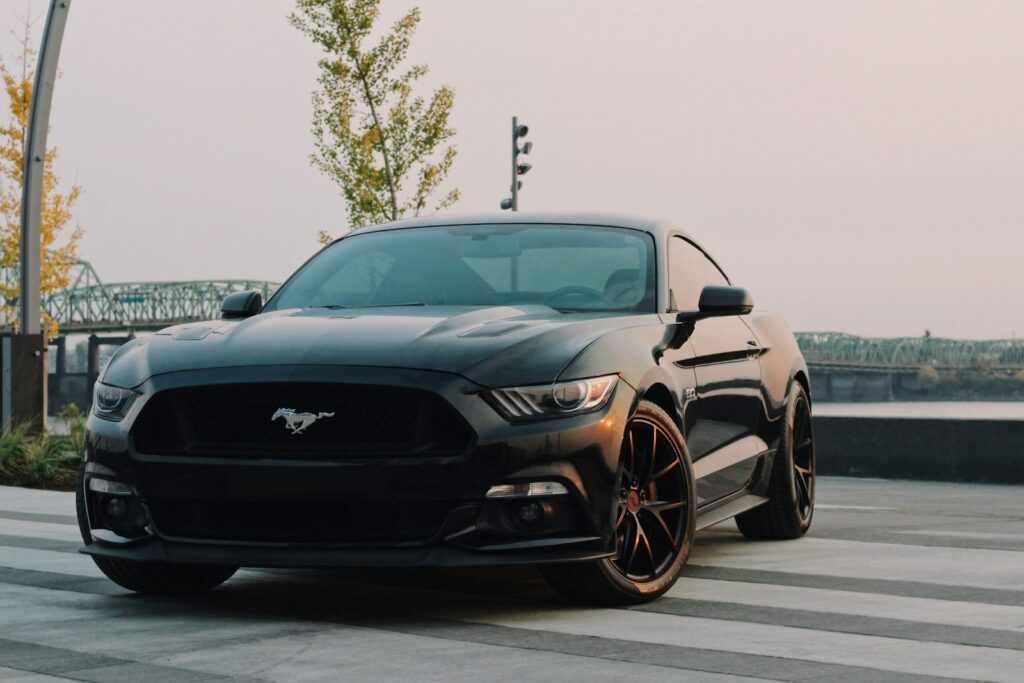
The Midnight Routine Nobody Asked For
At first, the neighbors tried the soft approach: assuming it was a phase, a few nights of showing off, and then he’d get bored. But it didn’t fade out; it locked in. Midnight became the hour the Mustang woke up, coughed, and screamed.
People started timing it without meaning to. One guy noticed the revving always came in two waves: one long, sustained roar in the driveway, then a couple aggressive blips right before the car rolled off. It was the kind of pattern that made you realize it wasn’t an accident or a clumsy start-up—it was performance.
Windows started staying shut even on nice nights, not because of weather but because the sound punched right through screens. Parents on the block began doing that sleepy, irritated half-walk down the hallway at 12:03 a.m., checking on kids like the car was a storm. A few people started sleeping with white noise machines, which felt absurd when the reason was an internal combustion engine across the fence.
It also made the street feel tense in a way that’s hard to explain unless you’ve lived it. It wasn’t just the sound; it was the sense that one household’s choice was being forced on everyone else. Like the kid had decided midnight belonged to him, and everyone else could just deal.
The First Knock on the Door
Eventually, one neighbor—someone who’d clearly run out of patience and sleep—walked over the next day. Not in a “storming up the driveway” way, but with that stiff posture of someone rehearsing calm sentences. The goal was simple: ask them to stop revving at midnight.
The dad answered the door, and the whole vibe was immediately defensive. He had that “what now” expression people get when they’re already convinced the world is out to criticize their parenting. The neighbor explained that the car was waking people up every night, and could the kid just… not do that, especially so late?
The dad didn’t apologize. He didn’t even do the usual fake sympathy thing. He went straight for the line he’d clearly been saving: “At least he’s home and not doing drugs.”
It landed like a brick. Not because anyone wanted the teen doing drugs, obviously, but because it was such a weird trade-off to demand from strangers. As if the neighborhood had to choose between sleep and narcotics, and the father had heroically selected “revving a Mustang at midnight” as the wholesome middle ground.
“Boys Will Be Boys” With a Side of Exhaust
The neighbor tried to keep the conversation on track. They pointed out that being home wasn’t the same thing as being considerate, and that a loud car at midnight was still a problem even if the driver was technically in the driveway. The dad pivoted into a lecture about teenagers, hobbies, and how people were “too sensitive” now.
And that’s when the neighbor realized this wasn’t a misunderstanding. The father wasn’t unaware; he was reframing it as a virtue. The Mustang wasn’t noise—it was proof of good parenting, a mechanical badge that said, “My kid isn’t out ruining his life.”
What made it worse was that the kid was often right there, hovering in the background like a co-star waiting for his cue. He’d smirk or stare at his phone, acting like the whole thing was beneath him. When adults talked about sleep and work schedules, he had the look of someone hearing a foreign language.
After that first conversation, the revving didn’t stop. If anything, it got sharper, more pointed—like the kid had learned that his hobby had the added feature of making people mad. The sound started to feel less like enthusiasm and more like retaliation.
The Neighborhood Starts Keeping Score
Once the father said his piece, the rest of the street began reacting in that informal, side-channel way neighborhoods do. People compared notes in driveways and at mailboxes. Somebody mentioned they’d started recording the noise from inside their bedroom because it was so consistent they could practically set their clocks by it.
Another neighbor said they’d tried earplugs and still felt the vibration through the walls. Someone else admitted they’d started checking the teen’s social media out of pure spite-curiosity, like maybe they’d find proof this was all part of some “car guy” persona. It wasn’t even about catching him doing something illegal—it was the desperation of wanting a reason that made sense.
The loudness itself became a debate. The car didn’t just idle; it barked. The kind of exhaust that sounded intentionally modified, the kind that made you think of late-night parking lot meetups and guys filming their own tailpipes like it’s art.
People also worried about the speed. The kid wasn’t just starting the car and leaving normally; he’d accelerate down a residential street at an hour when visibility was low and reaction times were worse. That detail turned the conflict from “annoying” to “unsafe,” and it changed the way neighbors talked about it.
The Second Confrontation Gets Ugly Fast
A few nights later, another neighbor tried a more direct approach: stepping outside when the revving started and calling out from their porch. Not screaming, but loud enough to be heard over the engine. The kid didn’t look over; he just revved again, longer, like a response.
The next day, there was another doorstep conversation, except this time it wasn’t one person—it was two. The dad’s patience was thinner now, like he’d been waiting for this so he could unload. He repeated the “at least he’s home” line, then added that people should be grateful the kid had “a passion” and wasn’t “getting into trouble.”
Someone finally asked the obvious: why does that passion have to happen at midnight? The dad’s answer was basically that the teen worked late, liked to “decompress,” and it was his car, his driveway, his property. There was a lot of emphasis on ownership, like the concept of neighbors was an infringement.
The tension spiked when one of the neighbors mentioned calling the non-emergency line or filing a noise complaint. The dad’s face tightened, and he threw out the kind of warning people use when they want to sound reasonable but aren’t: “You do what you feel you have to do.” It wasn’t a threat exactly, but it wasn’t friendly either.
Where It Stands: Quiet Hours vs. Family Loyalty
After that, the neighborhood split into two camps: the “call it in” people and the “don’t escalate” people. The cautious ones worried about retaliation—keyed cars, petty property stuff, the kind of slow-burn payback that makes living next door miserable. The fed-up ones pointed out they were already miserable, just in pajamas.
Meanwhile, the midnight revving continued with almost theatrical consistency. The father didn’t seem to be guiding the kid toward compromise, and the kid seemed to like the power of it: one teenager, one car, and an entire row of houses quietly seething behind their blinds. Every night it happened, it became less about a Mustang and more about what the dad’s line really meant—that other people’s comfort was the price of his peace of mind.
It also left this weird emotional residue for everyone involved. The neighbors weren’t just tired; they felt dismissed, like their basic needs were being treated as unreasonable demands. The father seemed locked into the belief that any pushback was an attack on his parenting, and the kid—caught between adolescence and ego—was learning in real time that making other people suffer could be framed as harmless fun.
And that’s where the whole thing stayed, suspended: a street full of people weighing how far they’re willing to go to reclaim midnight, and a dad who’s decided the sound of an engine is the soundtrack of a “good kid.” The Mustang keeps roaring on schedule, and each rev feels like a dare—less “at least he’s home,” more “what are you going to do about it?”
More from Steel Horse Rides: