
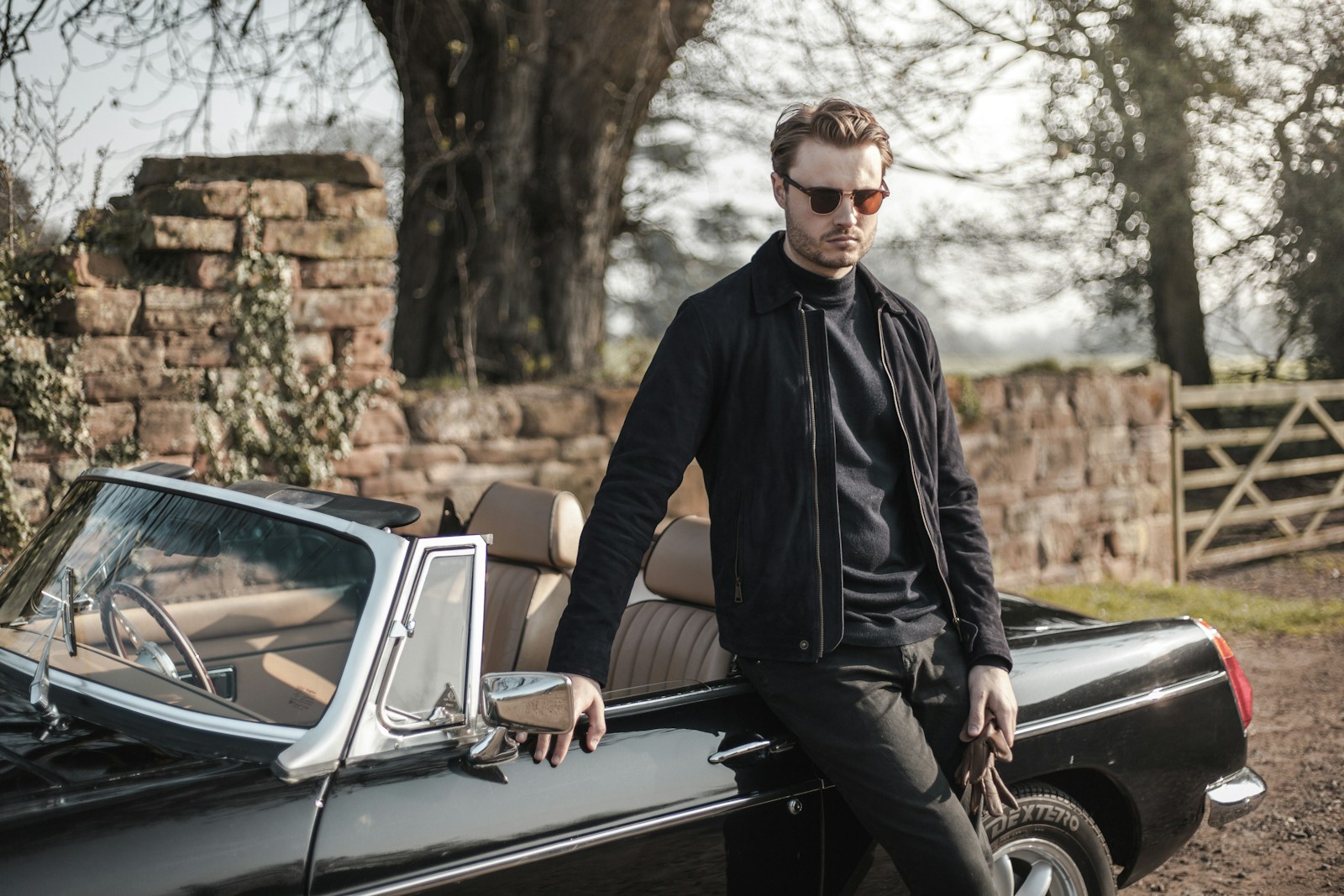

He’d spent the better part of three years getting the car to feel like a time capsule instead of a project. Not a trailer-queen showpiece, either—something you could actually drive, the kind that smelled faintly like old vinyl and gasoline and still had a radio that hummed when you turned the knob just right. The sort of classic car people asked about at gas stations, the sort you didn’t hand over the keys to lightly.
So when his brother showed up on a lazy Saturday afternoon and asked, casual as anything, if he could take it “real quick” to show a friend, it sounded harmless on the surface. They’d always had that sibling rhythm where favors were asked like they were already agreed to. And the owner, against his better judgment, let the moment slide—mostly because his brother promised it was a short drive, mostly because it was family, and partly because he didn’t want to be the guy who acted like his car was sacred.
The brother didn’t mention one detail that would’ve changed the entire conversation: he couldn’t drive stick. Or maybe he didn’t think it counted as “can’t,” the way some people swear they “know the basics” because they watched a few videos once. Either way, he walked off with the keys and a grin, and the owner stood in the driveway watching that classic roll away, feeling that low-grade anxiety you can’t justify until it turns out you were right.
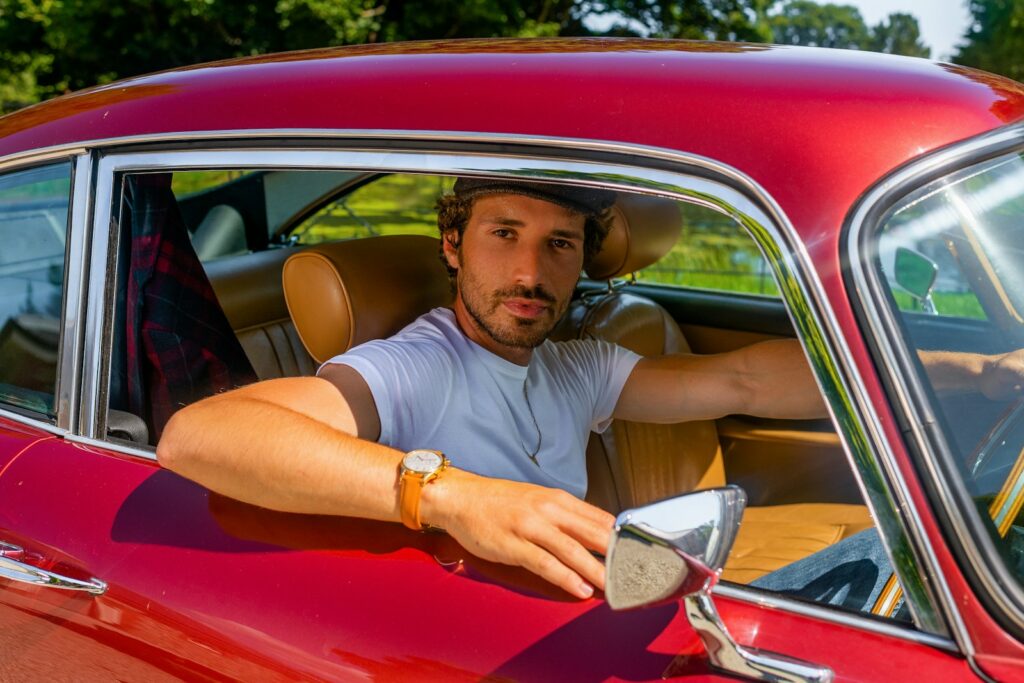
The Favor That Didn’t Sound Like a Big Deal
There was history here, and it mattered. The owner wasn’t some gatekeeping car guy, but he was protective because he’d learned the hard way how quickly a “quick drive” turns into a mess. The car was old enough that little mistakes didn’t stay little; it didn’t forgive the way newer cars do, and parts weren’t a stroll to the dealership.
His brother, on the other hand, treated the car like a fun prop—something cool to be seen in for an afternoon. He’d talked it up to friends before, like it was a shared family trophy, even though he hadn’t paid a dime into it. And when he asked to “show a friend,” he made it sound like he was doing the owner a favor too, like it was free advertising for the restoration.
The owner did the quick mental checklist: the brother had driven automatics for years, had a clean enough record, and wasn’t usually reckless. The keys changed hands, and the brother slid into the driver’s seat with the confidence of someone who’s never had to be careful with something expensive. The owner gave him one last reminder—take it easy, don’t rev it, don’t ride the clutch—and got a quick, distracted “Yeah, yeah, I got it.”
The First Red Flags
What happened next wasn’t caught on camera, but it didn’t need to be. The owner said later that the first red flag was how long the car was gone for what was supposed to be a “real quick” run. The second red flag was the text he got about forty minutes in: “Running a little late.” No details, no apology, just that.
He tried calling. It went to voicemail the first time, then picked up on the second with loud background noise and his brother sounding weirdly breathy, like he’d been jogging. “All good,” the brother insisted, and there was a pause where it sounded like he was concentrating hard on something he didn’t want to admit was difficult. The owner asked where he was, and the brother gave a vague answer—somewhere near the friend’s place, almost done.
That’s when the owner’s anxiety turned into that specific dread that comes from imagining mechanical damage in real time. With a classic, you start hearing phantom sounds in your head: the clutch slipping, the gears grinding, the engine screaming. He sat there picturing his brother stalled at a light, panic-revving, doing the exact things you learn not to do within ten minutes of a proper stick lesson.
The Return, the Smell, and the Immediate Denial
When the car finally rolled back into the driveway, it wasn’t the triumphant return his brother probably imagined. It came in a little too hot, a little jerky, like the driver was fighting the machine rather than driving it. The owner noticed the uneven approach right away—then he smelled it.
It was that unmistakable odor: burnt clutch, like overheated brakes and hot metal and something chemical all at once. The kind of smell that clings to your nostrils and tells you, without needing a mechanic, that someone has been slipping the clutch into oblivion. The owner’s face changed, and his brother saw it, because his brother immediately went into a defensive posture without being accused of anything yet.
“It’s fine,” the brother said, too fast. He was smiling, but it was that thin smile people wear when they know they’re about to be in trouble and they’re trying to outrun it with friendliness. The owner didn’t even touch the door handle yet; he just stood there and stared, listening to the engine idle differently than he remembered, noticing the faint haze of heat shimmer, noticing how the brother refused to make eye contact for more than a second.
Then the owner asked the simplest question in the world: “What happened?” And the brother answered it with the kind of statement that makes your brain lag for a second while it catches up. “I didn’t know how to drive stick,” he admitted, like it was a quirky detail he’d forgotten to mention, like it was a funny twist instead of a disaster.
“You Said You Could Drive It” vs. “I Thought I Could Figure It Out”
The owner’s reaction wasn’t a cinematic explosion; it was worse—quiet disbelief that quickly turned sharp. He reminded his brother that he’d explicitly warned him about riding the clutch. He asked why he didn’t call, why he didn’t stop, why he didn’t turn around the second he realized the car wasn’t something he could “figure out.”
The brother’s explanations came out messy and layered. He claimed he “sort of” knew the concept, that he’d driven a stick once years ago, that he didn’t want to look dumb in front of the friend. He said the friend lived “just down the road,” except the odometer told a different story, and the owner could see the route in his head—hills, stop signs, the exact kind of terrain that eats clutches when someone panics.
When the owner pressed harder, the brother started minimizing. Maybe it smelled because it was “old.” Maybe it was “already like that.” Maybe the owner was overreacting because he’s “weird” about the car. That’s when the argument stopped being about a mechanical mistake and turned into something personal—about respect, honesty, and the way the brother treated other people’s stuff like it would just absorb his carelessness.
The owner did what a lot of people would do in that moment: he tried the clutch himself. The pedal feel was different, the engagement point wrong, and it slipped under load in a way it hadn’t before. It wasn’t a catastrophic immediate failure, but it was the kind of damage that doesn’t get better with time. The brother watched all of this with his hands shoved in his pockets, rocking back and forth, waiting for the scolding to end without really stepping into accountability.
The Ugly Part: Money, Family, and the Non-Apology
Once the owner said the word “repair,” the temperature changed. A clutch job on a classic isn’t just “take it to any shop” territory; you’re talking parts availability, labor, the risk of other worn components being discovered once everything’s apart. The owner asked, point blank, if his brother was going to pay for it.
The brother’s first instinct was to bargain with reality. He offered to “help” pay, then tried to cap the amount without knowing what anything cost. He suggested his buddy “knows a guy,” which was the last thing the owner wanted after the “buddy” was the reason the car got taken out in the first place. And when the owner didn’t budge, the brother reached for the oldest shield in the family playbook: acting wounded, like he was being attacked for making an innocent mistake.
That’s when other relatives got pulled in, because family drama loves an audience. The brother framed it as an accident and the owner as someone choosing a car over a relationship. The owner framed it as a grown man taking something he didn’t know how to operate, lying by omission, and handing it back damaged with a shrug. And the worst part was how the brother kept circling back to the same line—“I didn’t know”—as if ignorance was a coupon for consequence-free destruction.
The owner didn’t banish him from his life on the spot, but the trust cracked in a way that doesn’t neatly glue back together. The keys didn’t go back on the hook where the brother could see them. The next time the brother came over, he didn’t even glance at the car; he looked at his phone, like the whole thing had already become yesterday’s inconvenience.
By the end of it, the clutch wasn’t the only thing burned up. The owner was left sitting with a classic car that suddenly felt fragile, and a brother who’d admitted, without really admitting it, that saving face mattered more to him than someone else’s hard work. The repair estimate would come soon enough, but the real unresolved tension was simpler: whether the brother would ever actually pay, and whether the owner could ever hear “Can I borrow it real quick?” again without feeling that same sinking dread in his gut.
More from Steel Horse Rides: