
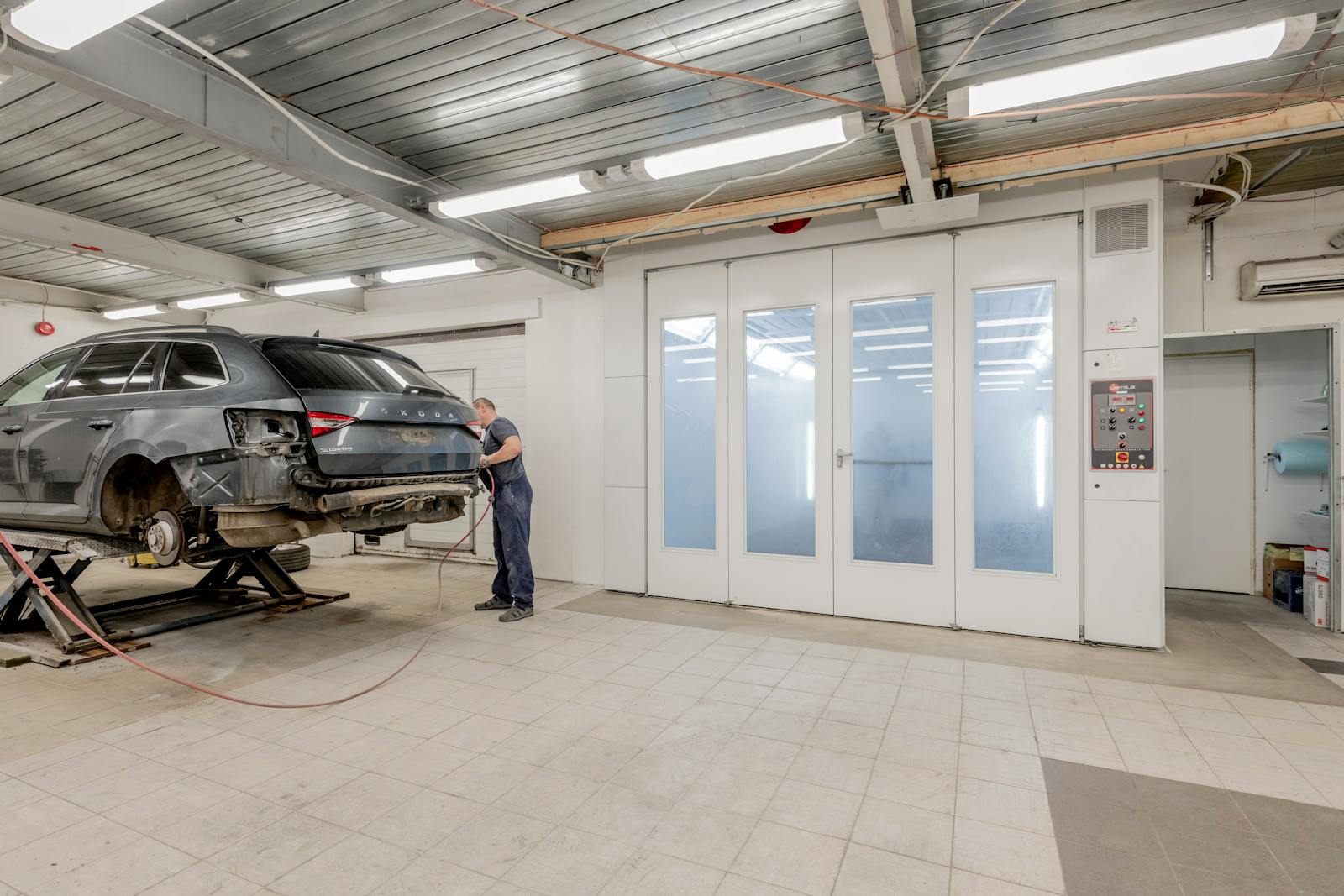

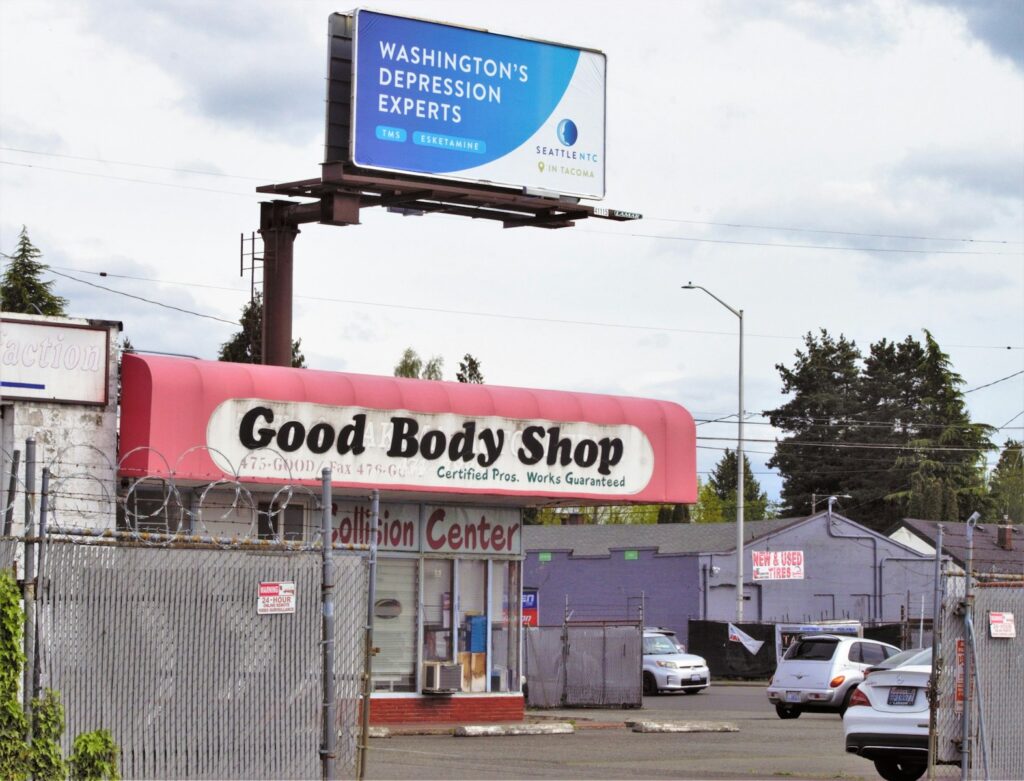
She’d dropped her car off thinking it would be a boring errand: sign a form, hand over the keys, get a ride home, and come back in a few days to pick it up looking less mangled than it did after the fender-bender. The body shop was one of those places with a sun-faded sign and a little office that smells like burnt coffee and printer toner, but they talked confidently and had decent reviews. They told her it was mostly cosmetic, parts were “already on order,” and she shouldn’t worry.
Then the days started stacking up in that slow, irritating way they do when you don’t have your own car. First it was a few business days, then “end of the week,” then “we’re waiting on one more thing.” She rearranged rides, begged favors, overpaid for deliveries, and did that thing where you keep your phone volume up because you’re convinced you’ll miss the call that finally frees you from this limbo.
Weeks in, she wasn’t even angry in a clean, satisfying way anymore. She was just tired—tired of being polite, tired of hearing the same calm voice tell her it was “almost ready,” tired of sounding like a nag when she asked for updates on a car she was still making payments on. And then one afternoon, she looked up from a stoplight and saw her own car roll past like it belonged to someone else.
The slow drip of excuses
At first, the delays sounded normal enough. The shop blamed the insurance adjuster, then blamed the parts supplier, then blamed “a backlog” like that phrase was a magic eraser for any inconvenience. Every time she called, someone had a reason that was specific enough to sound plausible but vague enough that she couldn’t pin it down.
She tried to be strategic about it. She asked for photos of the progress; they said the tech was in the middle of something. She asked for an estimated completion date; they gave her a window, then shifted it. She even offered to come by and look at the car herself, and the person on the phone hit her with, “It’s up on the lift right now,” like that settled it.
By the second week, she started tracking what she was being told. She noticed little contradictions—one employee saying the bumper was already painted, another saying the paint booth was backed up. It wasn’t dramatic, just messy, like no one there was actually checking notes and they were all improvising. The vibe wasn’t “we’re scamming you,” it was more like “we don’t respect your time enough to be honest.”
The day she recognized her own car
The sighting didn’t happen outside the shop, which would’ve at least made some sense. She was across town, running an errand she shouldn’t have had to plan around, when a familiar shape pulled up in her peripheral vision. Same color, same little scratch on the rear passenger door she’d never fixed, same sticker she’d half-peeled off months ago and kept forgetting about.
Her brain tried to talk her out of it for half a second—lots of cars look alike, maybe it’s the same model. Then she caught the license plate. That was the moment her stomach dropped in that cold, clean way that doesn’t feel like anger yet, just wrongness.
The driver wasn’t wearing a uniform, which made it even worse. He looked casual, one arm resting high on the wheel like he was comfortable in it, like this wasn’t someone else’s property. And the car didn’t look like it was being “tested” in any obvious way—no temporary tags, no shop signage, no second employee riding along, just him driving it through normal traffic like it was his daily.
She did what anyone would do when their brain catches up to their eyes: she turned around. Not in a dramatic tire-squeal way, but in that frantic, “I’m making a U-turn even if it takes three blocks to do it legally” way. She followed at a distance, half terrified she’d lose him, half terrified of what she’d do if she didn’t.
Following it, piece by piece
It wasn’t a long chase, but it felt longer because every stop sign gave her time to think. The car moved confidently through familiar streets, and the driver didn’t seem worried about being watched. That part stuck with her later—if this was something he knew he shouldn’t be doing, he wasn’t acting like it.
He pulled into a convenience store parking lot and parked like he’d done it a thousand times. She slid into a space a few rows away and watched him get out, still casual, still not scanning the lot like someone who’d just borrowed a customer’s car without permission. He walked in for a drink like this was the most normal part of his day.
She sat there with her heart going too fast and her hands on the wheel, arguing with herself. Do you get out and confront him? Do you take a video? Do you call the shop and see what they say while you’re literally looking at the car? That’s the part people never talk about—how messy it feels when you finally catch something you suspected, because now you have to pick a move.
She took her phone out and started recording, mostly because she knew she’d regret not having proof. The video wasn’t cinematic; it was shaky, partially blocked by her dashboard, the kind of clip that’s more about documenting reality than making a point. When he came back out and opened her driver’s door with a key like it belonged to him, she got enough to make it undeniable.
The confrontation that didn’t go the way it should
She got out before he could pull away again. She didn’t scream; she didn’t have the breath for it. She walked up, held her phone up, and said something along the lines of, “That’s my car,” with a steadiness that surprised even her.
He looked at her like she’d interrupted him mid-thought. Not panicked, not apologetic—annoyed, almost. He asked how she knew it was her car, which would’ve been funny if she hadn’t been shaking, and she pointed out the plate and the personal stuff she could see inside.
That’s when he switched tactics. He said he worked at the shop and he was “test driving” it. He said something about needing to “run it” to make sure everything was good, like the convenience store stop was part of a professional diagnostic routine. And the way he said it—confident, practiced—made it sound like he expected her to accept it and back off.
She asked why nobody told her the car was drivable if it was out here doing errands. She asked why it had been “up on the lift” earlier that same day when it clearly wasn’t. He got defensive, then tried to get back in the car, and she stood closer, not blocking him like a superhero but close enough that he had to acknowledge she wasn’t going away.
At some point, she called the shop from right there in the parking lot. She put it on speaker, and when the front desk answered, she said, very plainly, that she was looking at her car in a convenience store lot and one of their employees was driving it. There was a pause on the line that was so long it felt like the phone had glitched.
What the shop said when the story fell apart
The person on the phone started with confusion, then shifted into that careful tone people use when they’re buying time. They asked for the license plate, asked for the employee’s name, asked where she was. She could hear the office noise in the background—the muffled talking, the chair scraping—like they were trying to coordinate a response without sounding like they were coordinating a response.
They didn’t exactly admit anything, but they didn’t deny it either. The closest thing to an explanation was that sometimes cars need to be “driven to verify repairs,” and that “it shouldn’t have been taken that far.” The word “shouldn’t” hung there, doing a lot of work.
Meanwhile, the employee kept insisting it was normal and she was “making it a big deal.” He started talking about how stressful his job was, like that was relevant, like she was supposed to see him as a guy having a hard day rather than a stranger in possession of her car. The more he talked, the more it sounded like he’d gotten away with this kind of thing before.
The shop promised, suddenly, that the car would be ready soon—so soon it was almost funny, considering how impossible “soon” had been for weeks. They asked her to come in to “discuss it,” which sounded less like customer service and more like damage control. She told them she wanted the car back immediately, and when they hesitated, she said she’d call the police and report it as unauthorized use.
That’s where it left off: not with a clean victory, not with a satisfying apology, but with a woman standing in a parking lot staring at her own car, realizing how quickly a routine repair can turn into something uglier. The shop was scrambling, the employee was still trying to talk his way out of it, and she was holding her phone like a lifeline, thinking about how many times she’d accepted their excuses because she wanted to believe people wouldn’t do something this bold. Even after she got her keys back, the question that stuck wasn’t just “Why did he take it?”—it was how long they’d been treating her car like a perk of the job while she sat at home rearranging her life around their lies.
More from Steel Horse Rides: