


He’d been staring at the listing for days like it was a dare. A “mint” Corvette, the exact year and color he’d wanted since he was a kid, photographed in golden-hour light with the kind of angles that make even grocery-getter sedans look heroic. The seller’s description was confident in that breezy way—“mint,” “turn-key,” “needs nothing,” “adult owned”—and every message back came fast and friendly, like the guy couldn’t wait to hand over the keys.
The buyer wasn’t some impulsive teenager with a credit card. He’d saved, lined up a cashier’s check, and even talked through the usual stuff: clean title, no accidents “that he knew of,” recent maintenance, tires “good,” paint “excellent.” The seller reassured him enough that the buyer did the most expensive act of faith you can do in used-car land: he bought a one-way ticket across the country, figuring he’d fly in, look it over, pay, and drive his new dream home.
And honestly, even at the airport, the whole thing still felt exciting. He had that dumb grin going—AirPods in, route planned, already imagining the first gas station photo he’d take. The only thing that felt slightly off was how hard the seller pushed the “don’t waste my time” vibe right before the trip, slipping in a reminder that there were “other serious buyers” and the price was “already fair.” The buyer read it as normal marketplace posturing, the kind of chest-puffing people do when they smell hesitation.
The “Mint” Corvette Welcome
The seller picked him up like they were old friends meeting for lunch. He was chatty in the car, doing that pre-sale monologue where you name-drop everything you’ve done to the vehicle—oil changes, “only premium,” some mechanic buddy who “looked it over,” the classic “I don’t have to sell it.” The buyer nodded along, trying to match the energy while his brain cycled through a checklist of what he needed to inspect before money changed hands.
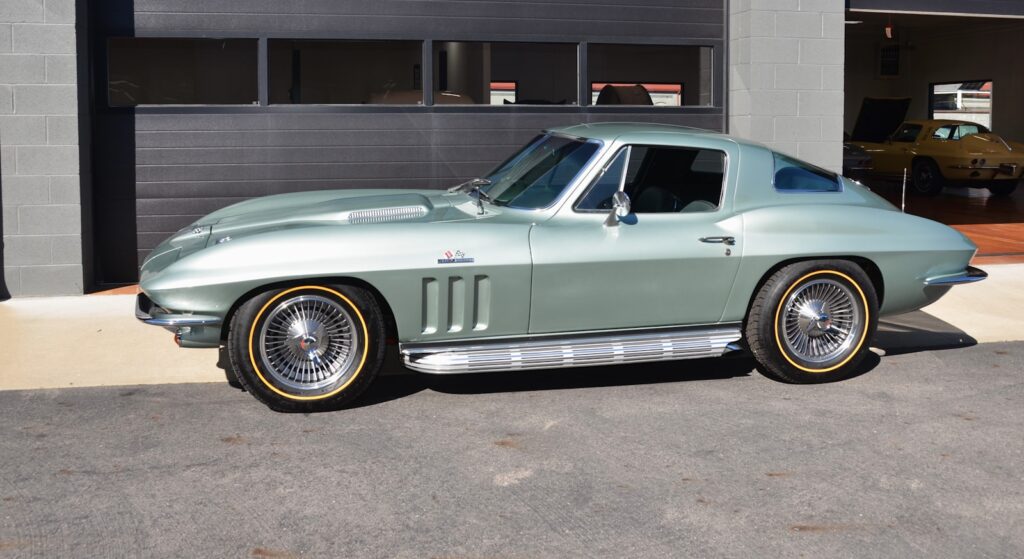
When they pulled up, the Corvette was parked where it could be seen from the street, washed and posed like a showroom car. From ten feet away, it did look good: shiny paint, low stance, the exact kind of silhouette that makes people slow down without meaning to. The seller watched the buyer’s face hard, like he wanted to catch the moment the hook set.
They did the polite lap around the car first—doors, panels, interior, the usual ritual. The buyer crouched a little lower than most people would, peering along the rocker panels and down the sides, and you could feel the seller’s patience tighten in real time. Not anger yet, just that shift from “I’m hosting” to “I’m being evaluated.”
Overspray: The First Crack in the Story
The buyer spotted it the way obsessive car people do: not by staring at the paint, but by looking where paint isn’t supposed to be. Along the edge of a trim piece and around a weather strip, there was that telltale fuzzy line, a slightly gritty texture that doesn’t belong on rubber. He ran a finger along it and came back with a faint dusting of color, the kind you get when someone sprays near a masked edge and either rushes or doesn’t care.
He didn’t accuse the seller of anything at first. He just asked, casually, “Hey, has this been repainted?” The seller’s answer came too fast: “Nope. Factory paint.” Then he laughed like the question was silly, which is always a weird move when someone’s standing there with overspray literally on their fingertip.
The buyer checked another spot, then another. It wasn’t catastrophic—no dripping runs or obvious mismatched panels—but it was enough to kill the “mint” label instantly. “Mint” doesn’t have overspray on seals, and it definitely doesn’t have that slightly uneven edge like someone got nervous with the tape line.
The seller’s body language shifted. He stopped hovering in the friendly way and started hovering in the defensive way, hands on hips, leaning in a little. He started talking louder about how “people get paranoid” and how he’s “not hiding anything,” even though no one had said he was.
The Tires Tell on Everyone
The buyer moved on, trying not to get stuck in a paint argument yet. Tires are easy. They don’t require opinions, just eyeballs. He crouched at the front and saw it immediately: tread that was basically a suggestion, smooth across the middle like the car had spent its life doing burnouts or long highway pulls with no alignment love.
He checked the date codes next, because sometimes you’ll find “good tread” on rubber old enough to vote. The tires weren’t just worn; they were the kind of worn that makes a long drive home feel like a gamble. The seller had called them “good,” which either meant he truly didn’t know what “good” looks like or he hoped the buyer wouldn’t check.
The buyer pointed it out, still calm, still trying to keep the deal alive. He said something like, “These are pretty bald—if I’m driving this back, I’m going to need tires immediately.” The seller shrugged, that exaggerated shrug people do when they want to look unbothered, and said, “They’re fine. They passed inspection,” which isn’t the same thing as being safe or worth what he was asking.
Now the buyer’s excitement was gone. He wasn’t furious yet, but he was in that cold, disappointed mode where you start adding up costs in your head and realizing you’ve been sold a story, not a car. Overspray plus tires wasn’t a minor nitpick; it was the first glimpse of what else might be “fine” according to this guy.
Negotiation, Then the Sudden Freeze
They took it for a short drive anyway, because the buyer had come all this way and wanted to make sure he wasn’t walking away from a mechanically solid car over cosmetic drama. The Corvette sounded strong, pulled hard, and didn’t throw obvious warning lights. That almost made it worse, because it meant the deal was still tempting—just no longer at the number advertised.
Back in the driveway, the buyer did what he’d been planning to do all along: he started negotiating. Not an insult offer, not a lowball for sport, just a realistic adjustment for tires and a paint job that clearly had a backstory. He laid it out plainly, even politely, the way you would when you’re trying to keep someone from feeling attacked.
The seller’s tone changed so fast it felt like a door slamming. He stopped being the friendly guy with the “adult owned” pride and became the guy who felt like he was being cornered. “Price is the price,” he said, and when the buyer reminded him that he’d described the car as “mint,” the seller doubled down: “It is mint. If you don’t want it, someone else will.”
That’s when the buyer realized the negotiation wasn’t just going poorly—it wasn’t happening. The seller wasn’t countering, wasn’t discussing, wasn’t even acknowledging the overspray and tires as real issues. He was acting like the buyer was being unreasonable for noticing things that were right there in daylight.
Awkward Logistics and the Pressure to Cave
The power dynamic got weird, fast. The buyer had flown in alone, and now he was standing in some stranger’s driveway with a cashier’s check in his pocket and nowhere to be until his return flight—if he could even get one without paying a fortune. The seller knew that. You could feel it in the way he kept repeating, “So what are we doing?” like the buyer was the one wasting time.
At one point the seller started listing all the “extras” he’d throw in—an old car cover, some spare parts, maybe a set of floor mats—like that was supposed to offset bald tires and questionable paintwork. It was the kind of bargaining that isn’t bargaining, just noise. The buyer didn’t bite, and the seller’s patience started to look like irritation.
They stood there in a long pause where neither wanted to be the one to blink. The buyer asked again, softly, if the seller could move on price even a little to reflect the immediate costs. The seller’s answer was basically a dare: “No. I already told you it’s firm. I don’t negotiate in person.”
That line landed like a slap because negotiating in person is exactly what buyers do when they discover in-person problems. The buyer could feel the trap: either pay the firm price and swallow the issues, or walk away and eat the flight, the hotel, the time, the embarrassment. The seller wasn’t just refusing to negotiate; he was betting the buyer’s inconvenience would force him into a bad decision.
The buyer ended up stepping back, asking for a minute, and staring at the Corvette like it had personally betrayed him. It still looked good from a distance, still had that dream-car shape, and that’s what made the whole thing sting. The car wasn’t a total disaster, which meant there’d always be that nagging thought later: should he have just bought it and dealt with it?
But standing there with overspray on rubber and tires that were begging to be replaced, “mint” felt like a joke the seller kept insisting was hilarious. The seller stayed put, arms crossed, watching like a bouncer at a door—either you’re in, or you’re out, but you’re not going to stand here asking questions.
And that’s where the story really leaves a mark: not with a clean resolution, but with that uncomfortable silence between someone trying to make a rational purchase and someone trying to win a standoff. The buyer had flown across the country for a fantasy, and now he was stuck deciding whether to pay extra for the privilege of being misled—or walk away and carry the cost home with him, empty-handed, while the seller stayed planted beside the Corvette, acting like “mint” is just a word you can say until it becomes true.
More from Steel Horse Rides: