

By the time the car actually died, the argument had already been running for weeks. It started as one of those low-grade domestic fights that doesn’t sound serious until you realize it’s attached to everything: money, pride, who gets listened to, and who gets dismissed like they’re “overreacting.”
She’d taken their SUV in because it was doing that unsettling thing where it hesitates for half a second when you accelerate, like it’s thinking about it. Then it started throwing a warning light on and off, and there was a faint smell—hot plastic, maybe, or something electrical—after longer drives. Her mechanic took one look, drove it around the block, and told her, calmly, that something was wrong enough that she shouldn’t be taking the kids on the highway until it was addressed.
Her husband heard the same message and translated it into: “Your mechanic is dramatic.” Not “cautious,” not “covering themselves,” not even “trying to upsell.” Dramatic, like the car was a stage and this guy was auditioning for a role.
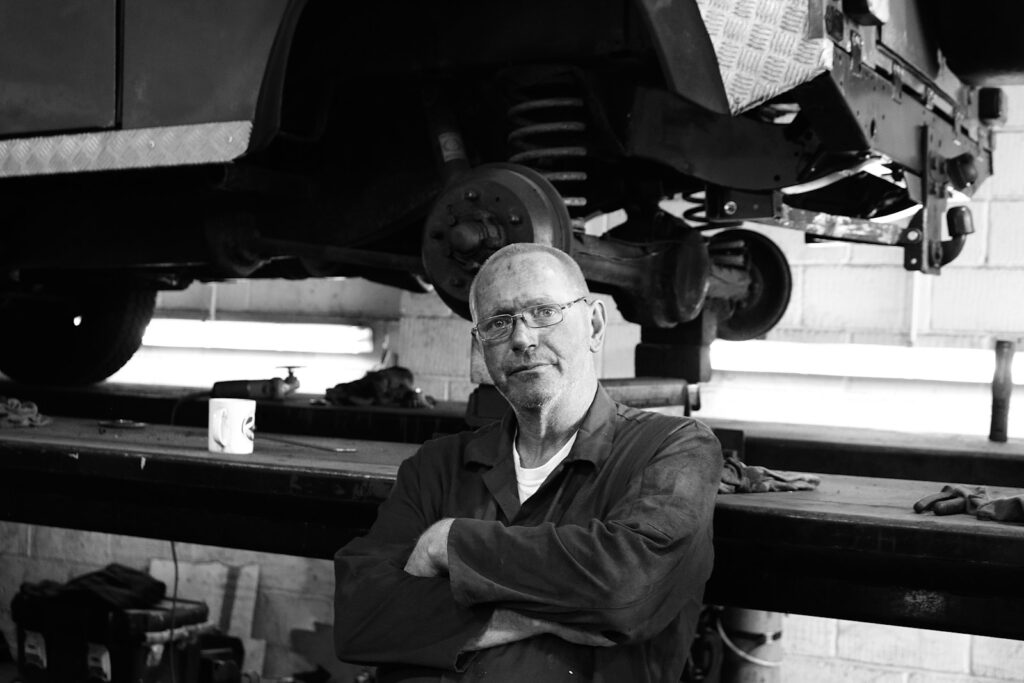
The warning she couldn’t un-hear
She wasn’t new to this mechanic. It wasn’t a random shop with a coupon special and a waiting room that smells like burnt coffee; it was the same place she’d gone to for years, the place that had talked her through repairs and told her when something could wait. When he said, “I don’t like the way this is behaving,” she believed him in that gut-level way you believe someone who’s never tried to scare you for fun.
He gave her a list: possible fuel pump issue, maybe an alternator that was dropping voltage under load, maybe something worse in the electrical system. He didn’t pretend he knew exactly which component was about to fail; he just knew the pattern of “weird symptoms” that turn into “dead car” at the worst moment. He recommended a diagnostic and a repair plan, and he said it with that careful seriousness that isn’t theatrical—just experienced.
She took that home like a fragile object, the kind of information you handle gently because you know it can break your whole week. They’d been tightening their budget, and her husband had been extra touchy about expenses that weren’t planned. She tried to present it as, “This is a safety thing, and we should deal with it,” but she could tell from his face he was already lining up his response.
“He’s trying to scare you into paying”
Her husband’s dismissal wasn’t subtle. He rolled his eyes, asked if the mechanic said it with a “grave voice,” and joked that people in trades “love drama because drama pays.” He didn’t ask what the exact symptoms were; he asked how much it would cost, then said they could “wait until it actually becomes a problem.”
That phrase—until it actually becomes a problem—hit her like a slap because it implied it wasn’t a problem yet, even though the dashboard had already tried to get their attention. She reminded him the mechanic specifically said not to take the kids on the highway. He shrugged and said the mechanic didn’t know their family schedule and wasn’t the boss of them.
It spiraled into a bigger thing because it always does. She wasn’t just arguing about a car; she was arguing about being believed. He started treating her concern like a personality trait he had to manage, the way some couples talk about one partner being “anxious” like it’s their hobby.
She tried a compromise: at least let her take it in for the diagnostic so they’d know what they were dealing with. He countered with, “I’ll look at it this weekend,” which sounded responsible until you realized he’d been saying that about various house issues since spring. The car kept doing its little stutters and lights, and every time it did, her stomach tightened like it was bracing for impact.
The drive that became a test of who was right
The day it happened wasn’t some special trip. It was a normal errand day with kid logistics stacked like Jenga blocks: drop-off, grocery pickup, a birthday party across town. Her husband volunteered—almost cheerfully—to take the SUV with the kids because his own car was low on gas and he didn’t feel like stopping.
She hesitated, and he caught it immediately. “What?” he said, like her pause was an accusation. She reminded him, gently at first, about the mechanic’s warning, and he laughed in that way that turns your concern into a joke you didn’t agree to be part of.
“If it dies, I’ll call you,” he said, making it sound like an impossible hypothetical. He even threw in, “You can tell your dramatic guy he was right,” like it was a punchline he’d been saving. The kids were climbing into their seats, and she felt that awful pressure to not make a scene in front of them.
So he left. She stood in the driveway watching the SUV roll out, trying to ignore the mental image of brake lights on a shoulder, tiny faces in the back seat, and her phone buzzing with a number she didn’t want to see.
The highway shoulder, the smell, and the silence
It didn’t take long. About twenty minutes into the drive, his name popped up on her phone, and her heart dropped so fast it felt physical. When she answered, he didn’t start with “Hi.” He started with, “So… the car just shut off.”
At first he tried to keep his voice controlled, like he was narrating an inconvenience. But she could hear the background—kids asking questions, the hollow whoosh of traffic passing too close, that strained edge when someone’s trying not to panic because panicking feels embarrassing. He said the dashboard lit up “like a Christmas tree,” then everything went dead: power steering heavy, accelerator useless, the whole thing coasting on momentum.
He managed to get to the shoulder, but it wasn’t a wide, comfortable shoulder. It was one of those narrow strips where you can’t fully relax because semis passing make the car shake. The kids were fine, technically, but “fine” in the way kids are fine when they don’t fully understand how dangerous something almost became.
She asked if he’d turned on hazards. He snapped, “Yes,” like she was questioning his competence. Then his voice went quieter and he admitted the car smelled weird—burnt, electrical, and hot. That’s the part that made her stand up from her chair because it matched exactly what she’d been describing for days.
He tried the ignition. Nothing. He tried again. Nothing. Then he said, more softly, “I can’t even get the windows to move.”
After the tow, the bill, and the blame game
The tow truck took forever because of course it did. He sat there with two restless kids, trying to keep them calm while also fielding her questions and pretending he wasn’t shaken. When the tow operator finally arrived, her husband’s tone changed—suddenly polite, suddenly small—because it’s hard to act like the expert when you’re stranded on the side of the road.
The SUV went right back to the same shop. The mechanic didn’t do a victory lap, didn’t gloat, didn’t even sound surprised. He said something along the lines of, “Yeah, that tracks,” which might be the most infuriating phrase in the English language when you’re the one who ignored the warning.
The diagnosis was ugly in a way that felt almost personal. It wasn’t a loose cap or a sensor glitch; it was a real failure, the kind that can cut power without warning. Whether it was alternator, battery, a short in the electrical system, or a failing fuel component, the bottom line was the same: the car had been telling them it was sick, and then it collapsed at highway speed with their kids in the back.
When her husband got home, he didn’t come in humble. He came in defensive, like being wrong had trapped him in a corner and he was going to fight his way out. He complained about the tow cost, complained about the inconvenience, complained that the mechanic “made it sound like the car would explode,” as if that was the issue and not the fact that it literally died mid-drive.
She asked him, very quietly, if he still thought the mechanic was “dramatic.” He didn’t answer directly. He said the mechanic should’ve been clearer, as if “don’t take the kids on the highway” was a vague suggestion.
The worst part wasn’t even the money, though the repair estimate hurt. It was the way he tried to reshape the story so he didn’t have to sit in the discomfort of it. He acted like the universe had played a prank, not like he’d ignored someone with expertise because it didn’t align with his timeline or his ego.
And she couldn’t stop thinking about the exact moment he laughed in the driveway. The kids had been buckled in, trusting the adults to make the boring, responsible choice, and he’d turned it into a little competition about who was being “dramatic.” Now the SUV was sitting at the shop like evidence, and the tension in their house wasn’t about a broken car anymore—it was about whether he could ever admit, plainly, that he’d gambled with their safety just to avoid being told what to do.
More from Steel Horse Rides: