

He came back from a quick errand expecting the usual boring part of city life: maybe a parking ticket tucked under the wiper, maybe a new scratch he couldn’t prove. Instead, the curb was empty. Same block, same legal spot, same faded sign that clearly didn’t say anything about towing at that hour—just the kind of street parking you take for granted until it’s suddenly gone.
For a minute he did the dumb denial loop everyone does. He walked up and down the block like the car might’ve rolled away on its own. He hit the key fob like the horn was going to answer from some hidden alley. Nothing. No broken glass, no little plastic bits, no obvious “someone stole your car” clues—just a clean absence.
So he did what people do now: he called the city’s non-emergency line, then tried the local impound lot, then started dialing tow companies like it was a bizarre customer service scavenger hunt. It took a few calls before someone finally said, casually, like they were confirming a pizza order, “Yeah, we have it.”
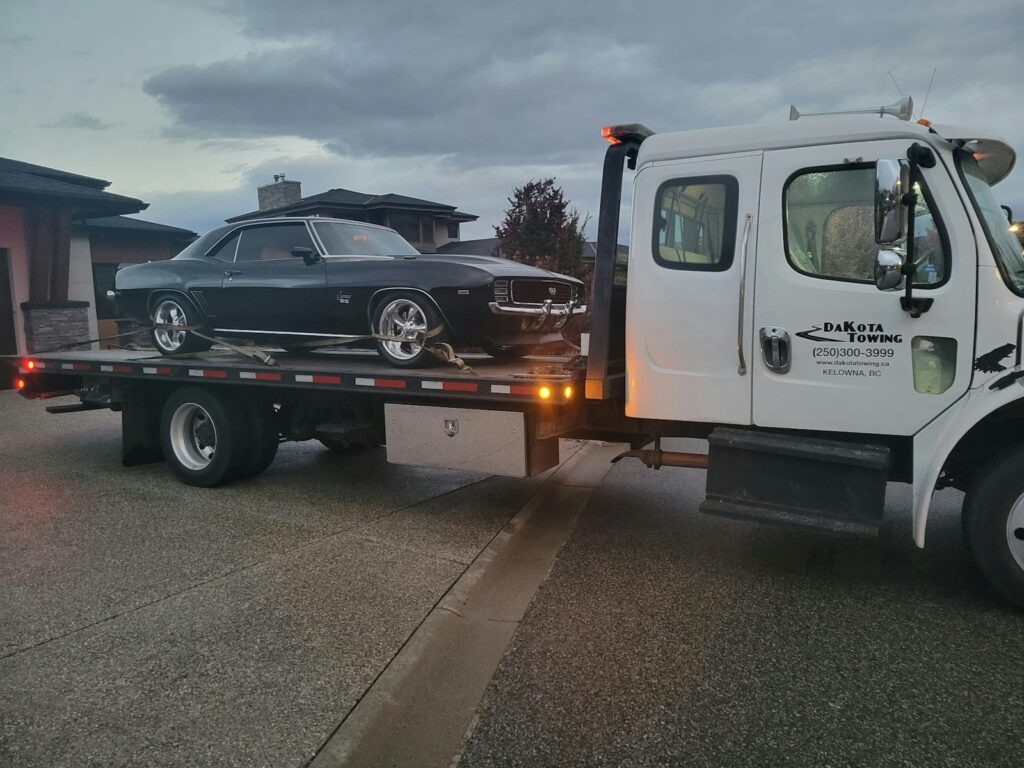
The “Yeah, We Have It” Call
The first weird thing was how little information they offered. Not “Here’s the address,” not “Here’s why,” not even “Do you have your registration?”—just a bored voice telling him they’d towed it and he’d need to pay to get it back. When he asked why his car had been towed from a legal spot, the answer came back vague and slippery, like they were reading from a script that didn’t include the part where he gets to ask questions.
Then they hit him with the number: $650. Not a range, not an itemized breakdown, just a flat demand delivered like a toll. When he asked what that was for—tow fee, storage, admin, whatever—the voice got sharper, like he was being difficult for wanting basic details about where his own property went.
It got worse when he asked how he could pay. “Cash,” they said. No card. No online invoice. No “we can take a debit card if you come by.” Just cash, and the tone made it clear they were used to people arguing and they didn’t care.
Where’s the Lot? “You’ll Find Out When You Pay.”
He asked the most obvious question next: where is the car? The answer wasn’t an address. It wasn’t even a cross street. It was a stall—“We’ll tell you when you’re ready to pay”—like the location of his car was a prize he had to unlock.
At first he thought he misheard. He asked again, slower, like maybe this was some misunderstanding where they thought he was a random person fishing for information. The response stayed the same, and now the person on the phone sounded annoyed, as if he’d interrupted their day with his unreasonable desire to know where his own car was being held.
He tried a different angle and asked for a receipt or a ticket number, something official. They tossed him a number that didn’t match any format he’d ever seen, then circled right back to the cash demand. He could practically hear the shrug through the line.
The whole thing had that grimy, transactional vibe where the rules are whatever the person on the other end says they are. The sort of conversation where you can feel the power imbalance—your car is gone, their voice is calm, and you’re the one doing mental math about how quickly storage fees might be stacking.
He Checks the Signs, the Spot, and His Own Sanity
Before he did anything else, he went back to the spot and started verifying every detail like he was building a case in his head. The sign was still there, still saying what it had said all along: restrictions at certain hours, permit language that didn’t apply to him, and nothing about towing right then. No temporary orange notices zip-tied to poles, no “No Parking” sandwich boards, no construction crew claiming the curb.
He took photos from every angle, because that’s what you do when you can feel yourself about to get dragged into a bureaucratic argument. He filmed a quick video walking from the nearest intersection to the exact space, narrating the time and date like he was trying to prove he wasn’t making it up. It wasn’t paranoia so much as the growing sense that he was dealing with someone who relied on people being flustered and unprepared.
He called the tow company back and tried to keep it calm. He asked for the reason in writing and the location of the lot. The person on the phone sounded like they’d heard this a thousand times and didn’t care if he had photos, a video, or a sworn affidavit from the mayor.
Then, like it was an afterthought, they mentioned storage fees. Not even in a transparent “it’s $X per day” way—more like a warning that time was on their side. It wasn’t hard to see the trap: the longer you argued, the more expensive it became, and the more desperate you’d get to hand over cash just to stop the bleeding.
The Cash Demand Turns Into a Standoff
He asked if he could meet them somewhere public, like a police station parking lot, and pay there. No. He asked if he could bring a cashier’s check. No. Every suggestion that made the exchange safer or more traceable got shut down, and every “no” came with that same impatience, like he was wasting their time by wanting a normal, documented transaction.
At this point he wasn’t even sure he was talking to a legitimate operation. The fact that they had his car didn’t automatically mean they had the right to it, and the refusal to disclose the location was where it crossed from shady to alarming. It stopped feeling like a dispute and started feeling like a ransom call dressed up as towing.
He told them he wasn’t handing over $650 in cash without knowing where he was going or getting something in writing. The voice on the other end got cold and clipped. They repeated the number again, like repeating it would make it more reasonable.
He tried calling the police non-emergency line again, half-expecting to be told it was a civil matter and to work it out. The dispatcher asked the basics—make, model, plate—and confirmed it wasn’t listed as stolen. But when he explained the tow company wouldn’t provide the location, the tone shifted, like that particular detail set off a different internal checklist.
The Word “Police” Magically Unlocks the Address
He called the tow company back with the dispatcher still in his ear. This time he didn’t argue about the legality first. He asked for the address of the yard, and when they tried to pull the same “pay first” line, he said, clearly, that he was on the phone with police and would be filing a report if they refused to disclose where they were holding his vehicle.
It was immediate. The whole vibe changed in a way that would’ve been funny if it wasn’t his car on the line. Suddenly there was an address, rattled off quickly, like they’d been capable of giving it the entire time and had simply chosen not to.
He asked for it again to confirm, and they gave it again, still brusque but no longer playing games about the location. No apology, no explanation, no “miscommunication.” Just the address and a reminder about the cash.
When he got there, the place looked exactly like you’d expect from the phone call: a fenced lot tucked into a grim industrial strip, a tiny office with sun-faded signage, and that particular kind of silence that makes you aware you’re standing on someone else’s turf. Inside, a man behind the counter asked for his name like they were checking him in for an appointment.
He asked—again—why the car had been towed. The answer was still mushy, still evasive, still not a clean citation to any posted restriction. And when he asked for an itemized breakdown of the $650, the guy acted like that was a weird thing to want, like numbers had no obligation to explain themselves.
He didn’t feel triumphant. He felt cornered. Every minute he spent arguing in that office was another minute his car sat behind a fence, and the people holding it were perfectly comfortable letting time do the work.
By the time he stepped back outside, he had the address, the photos of the legal spot, and that sick feeling of knowing he’d be replaying every detail later, trying to figure out which part was incompetence and which part was a business model. The tow company hadn’t just taken a car—they’d taken control of the entire situation, right up until the moment the word “police” forced them to act normal.
And that’s the part that stuck: not the $650, not even the tow itself, but the way the basic facts only became available when he threatened consequences. Even with his car located, he was left staring at a fenced yard and an office window, wondering how many people before him had paid cash without ever being told where they were going, because they didn’t know they could push back—or because pushing back was too expensive.
More from Steel Horse Rides: