
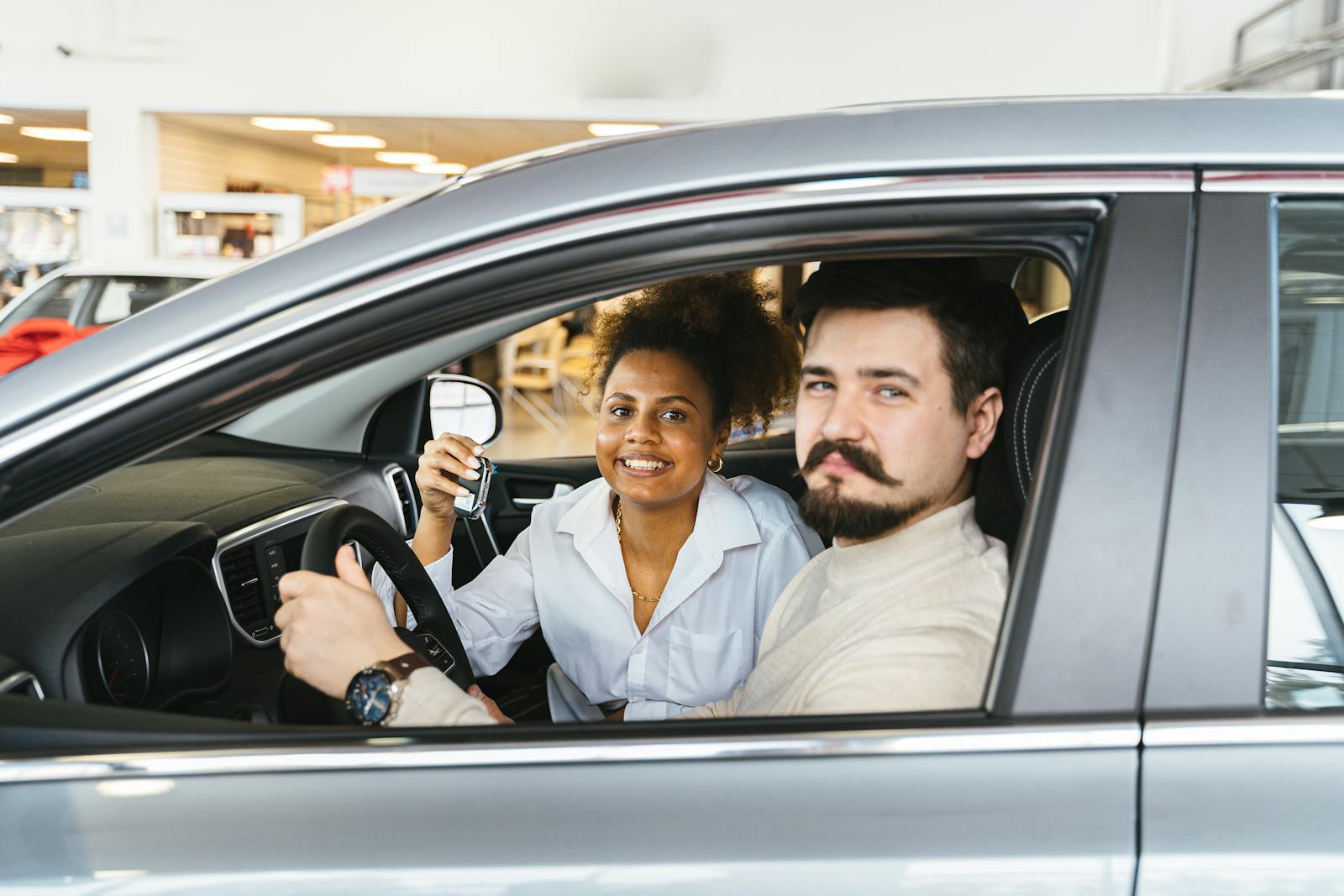

She’d dropped her car off that morning with the kind of vague, annoying problem that makes you feel like you’re losing your mind. The engine wasn’t throwing a clear code, but it had a stuttery hesitation at stoplights and a faint grinding sound when she turned left—nothing consistent enough to recreate on command. The shop told her they’d “take a look and call,” the same thing every shop says, and she tried to go about her day without spiraling.
By late afternoon, nobody had called. She checked her phone like it was going to magically ring if she stared hard enough, then finally texted the number on the receipt asking for an update. The response came back casual: they were still diagnosing it, might need to keep it overnight, they’d let her know. Annoying, but not unusual—until the weird part started stacking up.
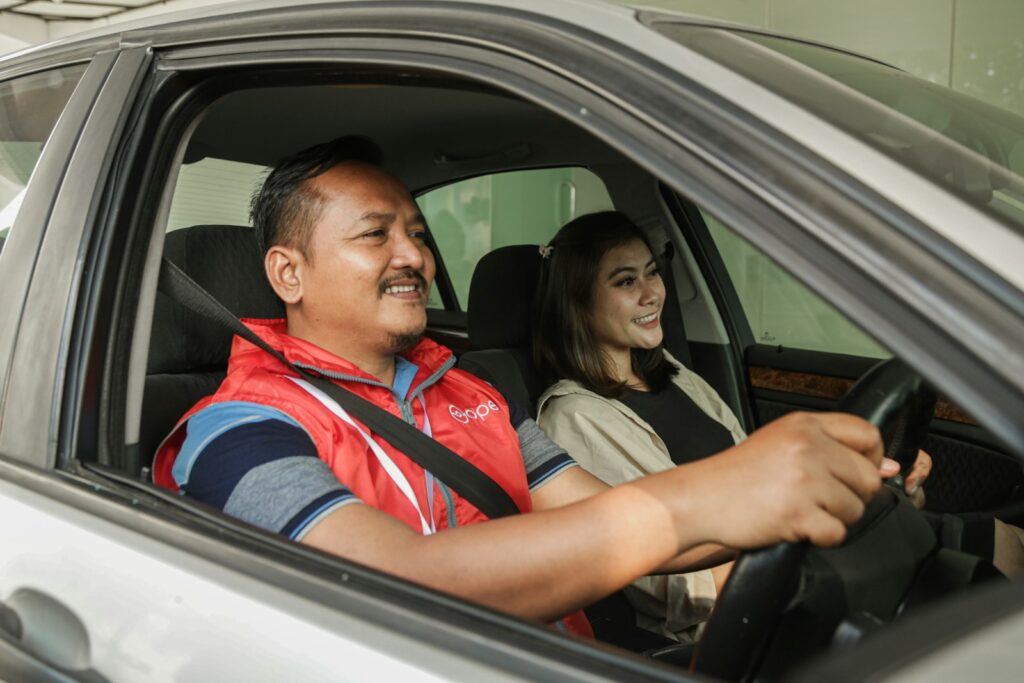
Because that evening, she wasn’t thinking about her car at all. She was running into a grocery store for a couple things before heading home, and she happened to glance toward the strip of restaurants across the lot. In the fading light, she saw a familiar silhouette: her car, same color, same little scuff on the rear bumper, same slightly crooked license plate frame she’d never gotten around to fixing. And in the driver’s seat, rolling slowly toward the patio seating like he’d done it a hundred times, was the mechanic.
The slow realization in the parking lot
At first she did the normal human thing and tried to talk herself out of it. Lots of cars look similar, she told herself, and she’d been stressed, and maybe she was just seeing what she expected to see. Then the car turned just enough for the headlights to catch the front grille, and she saw the tiny crack on the passenger-side fog light from that one time she misjudged a curb.
She stopped walking and just stood there with her shopping list in her hand, watching her own vehicle glide into a restaurant’s parking spaces like it belonged there. The mechanic didn’t park in the back like someone trying to be discreet, either. He pulled into a spot near the entrance, shut the car off, and got out wearing the same work shirt she’d seen behind the counter that morning.
And he wasn’t alone. A woman got out of the passenger side, dressed for a night out—nice hair, little purse, the whole vibe of “we’re going somewhere with menus that don’t list prices.” She looped her arm through his like this was a date date, and he handed her the keys with this casual little flourish, as if he’d just picked her up in his own ride.
She walks up before she can talk herself down
She did what people always imagine they’d do in a situation like this: she walked right over. Not sprinting, not screaming, just a straight line toward the two of them while her brain tried to catch up to her legs. The mechanic looked up when he heard footsteps, and for a split second his face did that flicker of confusion that turns into recognition.
She didn’t start with accusations. She started with a question that made it impossible for him to pretend it wasn’t happening. “Is that my car?” she asked, steady enough that it almost sounded polite.
The girlfriend—if that’s what she was—looked between them like she’d stumbled into the wrong scene in a movie. The mechanic’s eyes darted, and his mouth opened like he was about to launch into a smooth explanation. Then he did the thing people do when they’ve been caught red-handed and decide confidence will fix it.
“Yeah,” he said, nodding like this was completely normal. “I’m still diagnosing it.”
“Still diagnosing it” turns into a whole performance
He said it with that tone you’d use when a customer doesn’t understand something obvious, like she was being unreasonable for not appreciating the science of it. He gestured vaguely toward the car, as if the restaurant was part of the diagnostic process. According to him, he needed to drive it to “see how it behaves,” and since it was around dinner time, he’d “just taken it out for a bit.”
She stared at him, waiting for the rest—the part where he’d laugh and admit he was kidding. But he stayed in character, doubling down, like the words “still diagnosing it” were some kind of magic phrase that covered any mileage he put on her odometer. He even added that it was important to test it in “real conditions,” not just around the block.
At that point, the girlfriend’s face shifted from confusion to suspicion, the kind that comes when you realize you’re not just on a date—you’re a supporting character in someone else’s problem. She asked, quietly but sharp, “This is her car?” The mechanic gave a too-fast “Yeah, but it’s fine,” and reached for her elbow like he could steer the situation back on track.
The owner didn’t let him. She asked where the keys were, and when he hesitated—actually hesitated—she felt something in her chest tighten. It wasn’t just the disrespect; it was the realization that he didn’t think he’d get caught, and even now he thought he could talk his way out of it. She repeated herself, firmer, holding her hand out.
The awkward scramble when consequences show up
The mechanic finally handed over the keys, but not before trying to frame it like he was doing her a favor. He started listing car symptoms he claimed to be checking, like a student reciting lines to get partial credit. She glanced at her dashboard through the window and immediately noticed the seat position was different—pushed way back, reclined a little, like someone had been comfortable in there for a while.
Then she looked at the center console. The little compartment where she kept loose change was open, and there was a fast-food napkin shoved in there that definitely wasn’t hers. It wasn’t proof of anything huge, but it made the whole thing feel even more intrusive, like someone had been living in her car for the day.
The girlfriend, meanwhile, had taken a step back and was holding her purse strap tight, eyes narrowed at the mechanic like he’d just failed a test she didn’t know he was taking. He tried to reassure her—she could see him pivoting, trying to keep the date from falling apart—but it was too late. You can’t unring the bell of “I picked you up in a customer’s car because I’m ‘diagnosing’ it.”
The owner asked a question that landed like a brick: how long had he been driving it? The mechanic said something vague, like “not long,” and then immediately contradicted himself by insisting he’d needed to put “enough miles” on it to recreate the issue. She asked if his shop insurance covered personal use, and that’s when his posture changed. The confident tone faded into a clipped, irritated edge, like she’d stopped playing the role he expected.
Back at the shop, the story gets shakier
She didn’t just drive home and stew. She drove straight back to the shop, heart hammering the whole way, rehearsing what she’d say because she didn’t trust herself not to explode. The mechanic followed in a separate vehicle a few minutes later, and that little detail—the fact that he had another car available—made his “we had to test drive it” excuse feel even thinner.
Inside, the front desk person gave that polite customer-service smile that disappears the second they sense danger. The owner explained, calmly but clearly, that she’d found her mechanic using her car to go to dinner. She watched the desk person’s eyes flick toward the mechanic, then away, like this was not the first time something like this had threatened to happen.
The mechanic tried again, this time switching tactics. Now it wasn’t “diagnosing,” it was “just a quick drive,” and also “he was going to put gas back in it,” and also “they were still working on it.” The problem was that each explanation didn’t replace the previous one—it stacked on top of it, like he was throwing spaghetti at the wall and hoping one noodle stuck.
She asked for a printed work order showing what had actually been done so far. She asked for the mileage recorded at drop-off versus now. She asked for the keys to be returned permanently and for the car to be released, even if it meant paying for whatever inspection they’d done. The mechanic’s irritation turned into sulking silence, and the front desk person suddenly found a manager to talk to.
The manager came out with a face that said he already knew the shape of the problem but didn’t know how ugly it was. He apologized in that careful, corporate way, and offered to “make it right” with a discount, maybe even a free diagnostic. She didn’t want discounts. She wanted a clear explanation of why an employee felt comfortable using a customer’s car as date transportation.
What she got instead was a lot of hemming and hawing about “policy” and “miscommunication,” plus the manager insisting they would “address it internally.” Nobody would say directly whether the mechanic was allowed to take cars off-site for personal errands. Nobody would explain why he’d chosen a restaurant parking lot as the place to run his “diagnosis.” And nobody could answer the one question that kept ringing in her head: if she hadn’t happened to see it, how often would this have happened without her ever knowing?
She drove away with her car that night feeling like it didn’t belong to her the same way it did that morning. The seat still felt wrong, the air still smelled faintly like someone else’s cologne, and the dashboard clock was off by a few minutes like the car had lived a different day than she had. The mechanic’s excuse—“still diagnosing it”—hung there unresolved, not because it was convincing, but because it revealed something worse: he genuinely believed he could borrow a piece of someone’s life and call it work.
More from Steel Horse Rides: