

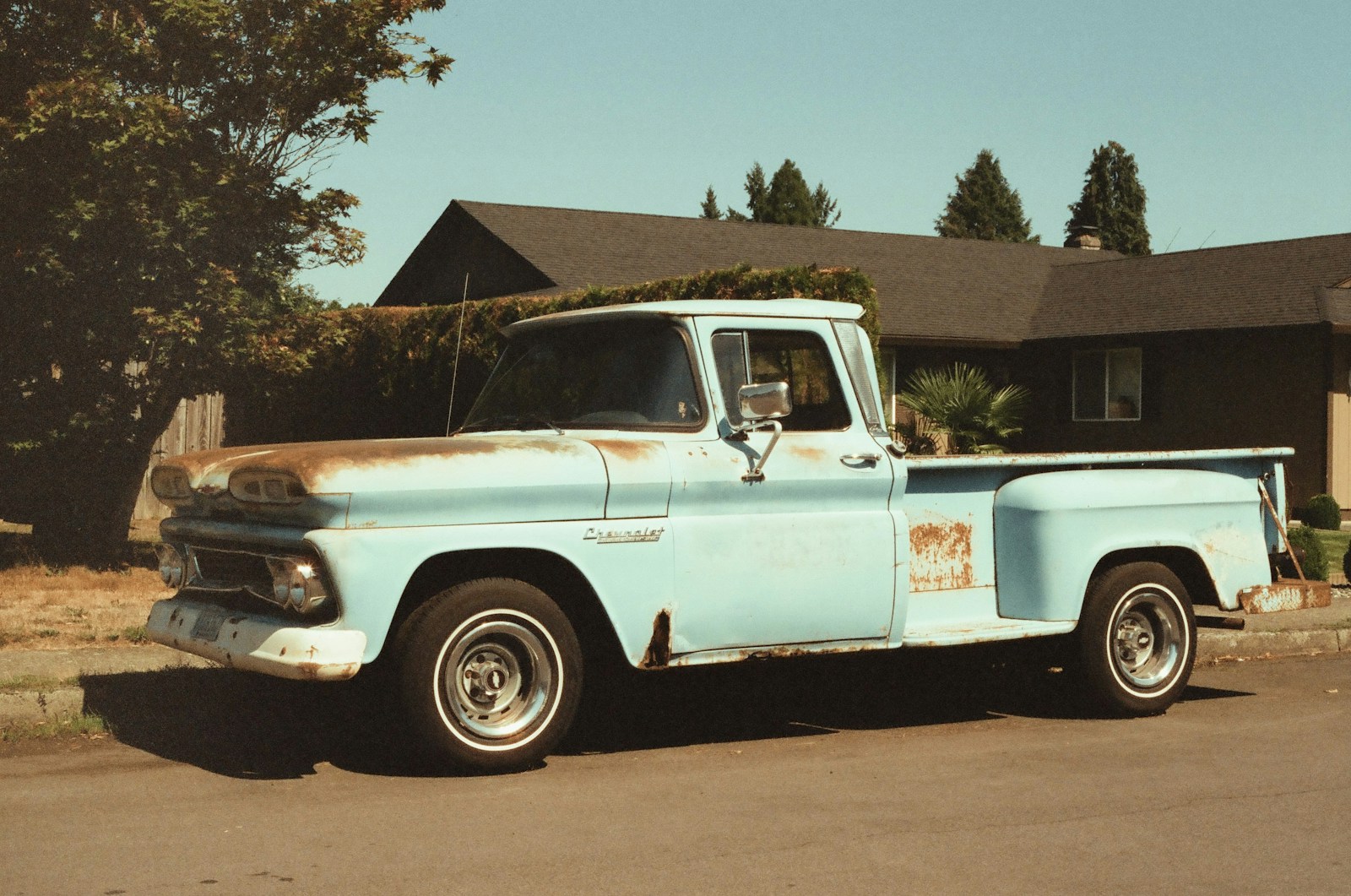
It started the way neighborhood feuds usually do: not with a shouting match, but with a clipboard and a slow drive-by. The guy with the project truck—an older pickup that ran “sometimes,” depending on how generous you were with the definition—had it parked on the side of his driveway, nose pointed toward the street like it was dreaming of better days.
He wasn’t flipping cars or running a junkyard. He was just doing the long, unglamorous kind of project work: weekends, borrowed tools, a growing pile of receipts, and the constant hope that the next part would be the one that fixed the weird noise. The only real “crime” was that it looked unfinished, because it was.
And then his neighbor decided he’d had enough of looking at it. Not enough to talk to him like a normal human being, apparently—enough to call code enforcement and let the city do the talking.
The Complaint That Came With A Badge And A Deadline
When code enforcement showed up, it wasn’t dramatic. No sirens, no towing truck idling at the curb. Just an officer in a reflective vest walking around with a little tablet, taking photos like the truck was evidence in a case nobody asked to be in.
The homeowner came outside, confused, wiping his hands on a rag. The officer explained there’d been a complaint about an “inoperable vehicle” visible from the street, and yes, there were rules about that. The kind of rules people don’t think about until someone uses them like a weapon.
He got a notice: fix it, move it, cover it, or face fines. The officer wasn’t rude, just procedural—like he’d rather be anywhere else. Still, the message was clear: this wasn’t about public safety, it was about someone wanting to win a petty war.
The homeowner didn’t need to guess who called it in. There was one neighbor who’d been side-eyeing that truck for months, the type who mowed in diagonal lines and treated the HOA newsletter like scripture even though there wasn’t actually an HOA.
The Fence-Line Cold War
After the notice, things got… tense in the quietest way possible. No direct confrontation at first. Just stiff waves that looked like muscle cramps and the subtle sound of someone slamming a trash can lid like it was making a point.
The truck owner did what most people would do when cornered by bureaucracy: he tried to comply without letting it ruin his life. He started keeping the truck under a cover when he wasn’t working on it, cleaned up the driveway, and made sure nothing looked like a permanent “yard project.”
That should’ve been the end of it. But the neighbor kept acting like the truck was a personal insult—watching from the kitchen window, hovering near the fence when the guy was wrenching, strolling past just a little too slow. The kind of attention that makes you feel like you’re being audited by someone with no job.
At some point, the truck owner did what a lot of people do when they can’t prove someone’s messing with them but they can feel it in their bones: he put up a camera. Nothing fancy, just a couple of outdoor cams aimed at the driveway and the stretch of fence between the two yards.
The Smell That Didn’t Match The Weather
Weeks went by. The truck stayed covered when it wasn’t in use, and code enforcement didn’t come back. The neighbor, though, didn’t relax. He still had that posture of someone waiting for a rule to break so he could point at it.
Then the truck owner noticed something weird behind the fence line: dark patches in the dirt along the back edge of his property. At first he assumed it was runoff or old leaves breaking down. But the next day, the smell hit—sharp, greasy, unmistakably automotive.
Used motor oil doesn’t smell like soil. It smells like the inside of a shop rag that’s been living under a seat for six months. He leaned down, touched the ground with a gloved finger, and the black sheen didn’t leave much room for interpretation.
It made no sense. He hadn’t dumped anything back there, and he wasn’t the kind of guy who’d contaminate his own yard when he was already getting heat for having a project truck. So he checked the cameras, not expecting much beyond raccoons and maybe a neighbor dog cutting through.
The Footage That Made It Personal
What he got instead was his neighbor—on his side of the fence line, in the narrow strip where the camera could see between posts. The guy was moving like someone trying to look casual while absolutely not being casual. He had a container in his hand, the kind you’d recognize if you’d ever changed oil in your driveway and promised yourself you’d take it to the recycling place “this week.”
The neighbor stopped behind the fence, glanced around like he was checking for witnesses, and tipped it. The liquid came out thick and dark. It wasn’t water. It wasn’t fertilizer. It was the same black sludge now soaking into the ground.
There’s something uniquely infuriating about seeing a person do a thing you could never prove without a camera. It’s not just the act; it’s the confidence. The neighbor wasn’t accidentally spilling a little. He was pouring, deliberately, and then he walked off like he’d just taken out the trash.
The truck owner watched the clip twice because his brain kept trying to reject it. This was the same guy who’d called code enforcement over a covered vehicle, acting like the street needed to be saved from an eyesore. Meanwhile, he was dumping used motor oil into the soil like it was 1975 and nobody knew what groundwater was.
From Petty Complaint To Something With Consequences
The next part wasn’t a screaming match across the fence, even though you can imagine how satisfying that would be. The truck owner did the more effective thing: he documented everything. Date stamps, multiple clips, photos of the stained dirt, close-ups of the container in the neighbor’s hand.
He also got an estimate from a local environmental cleanup outfit, because once you realize you’ve got oil in the ground, you start thinking about what it could do. Plants, pets, drainage, the possibility of it seeping somewhere it shouldn’t. Suddenly the “project truck” wasn’t the problem in the neighborhood anymore.
When he finally confronted the neighbor—carefully, from his side of the property line—the neighbor did what people do when they’ve been caught dead to rights: he tried to talk like it was a misunderstanding. Maybe it was “just old water,” maybe it was “leftover something,” maybe he “didn’t realize.” He didn’t offer a real explanation, because there wasn’t one that didn’t sound insane.
The truck owner didn’t debate him. He told him he had it on camera, and he was reporting it. That was the moment the neighbor’s face changed, that quick flash of rage and calculation—like he was deciding whether to double down or pretend it never happened.
And here’s where the dynamic shifted. Code enforcement had been an annoyance, a hassle, a nuisance that cost time and stress. Environmental dumping, though, is the kind of thing that gets different agencies interested, and not the kind that leave polite notices on your door.
The neighbor had played the “rules” card to punish someone for a truck cover and a weekend hobby. Now the truck owner was holding evidence of something that wasn’t just petty—it was expensive and potentially criminal, the kind of cleanup that can’t be waved away with a stern letter.
By the time the truck owner made the calls and filed the report, the neighbor was suddenly acting like they could be “reasonable” adults. He started hovering near the fence again, but now it wasn’t smug; it was anxious. He offered to “handle it,” to “take care of the dirt,” to “make it right,” all while trying not to admit what he’d done out loud.
The truck owner didn’t trust any of it, because how do you trust someone who dumps used motor oil behind a fence and then calls the city on you for a vehicle cover? That’s not a disagreement; that’s a personality problem.
And the weirdest part was how the neighborhood itself stayed quiet. From the street, everything still looked normal: trimmed lawns, trash cans in a line, a pickup under a cover that now seemed almost quaint. But behind that fence, there was contaminated soil, a camera clip that couldn’t be unseen, and a neighbor who’d learned too late that if you want to start a war with paperwork, you’d better not be committing the kind of mess that paperwork was invented to punish.