

It started the way a lot of dealership promises start: with a handshake vibe and a sentence that sounded reassuring enough to stop asking questions. The customer had just bought a used car and asked the obvious, boring, responsible thing—were the brakes good? The salesperson didn’t hesitate. “Fresh brakes,” they said, like it was a feature worth bragging about.
A couple weeks later, the car was making that noise. Not a little “maybe it’s just rust from sitting” squeak, but a grim, rhythmic scrape that synced up perfectly with the wheel speed. The customer tried to ignore it at first because nobody wants to admit they might’ve gotten played right after signing paperwork, but the sound got louder in parking lots and worse in stop-and-go traffic.
So they did what people do when they’re trying to be adults about it: they booked an appointment with a local mechanic instead of marching straight back to the dealership. They figured they’d get a quick look, maybe a simple adjustment, and confirmation that “fresh brakes” meant what it sounds like it means.
The first red flag wasn’t the noise—it was how fast the mechanic stopped smiling
The mechanic put the car on the lift and did the casual pre-check that usually comes with small talk. He’d glance at tires, peek for leaks, do the routine stuff while the customer explained the scraping sound and mentioned, almost as an afterthought, that the dealership had promised fresh pads. The mechanic nodded in that noncommittal way that says, “Sure, we’ll see.”
Then he pulled the first wheel and got quiet. Not “concentrating” quiet—more like “I’m deciding how to say this without making you feel sick” quiet. The customer, watching from the edge of the bay, saw him lean in closer with a flashlight even though the shop lighting was already bright.
When he finally turned around, his face had that controlled annoyance mechanics get when they can tell someone’s been lied to and now they have to be the messenger. He didn’t come out swinging with an accusation. He just said, slowly, “These pads are gone.”
“Fresh brakes” turned out to mean “freshly worn down to metal”
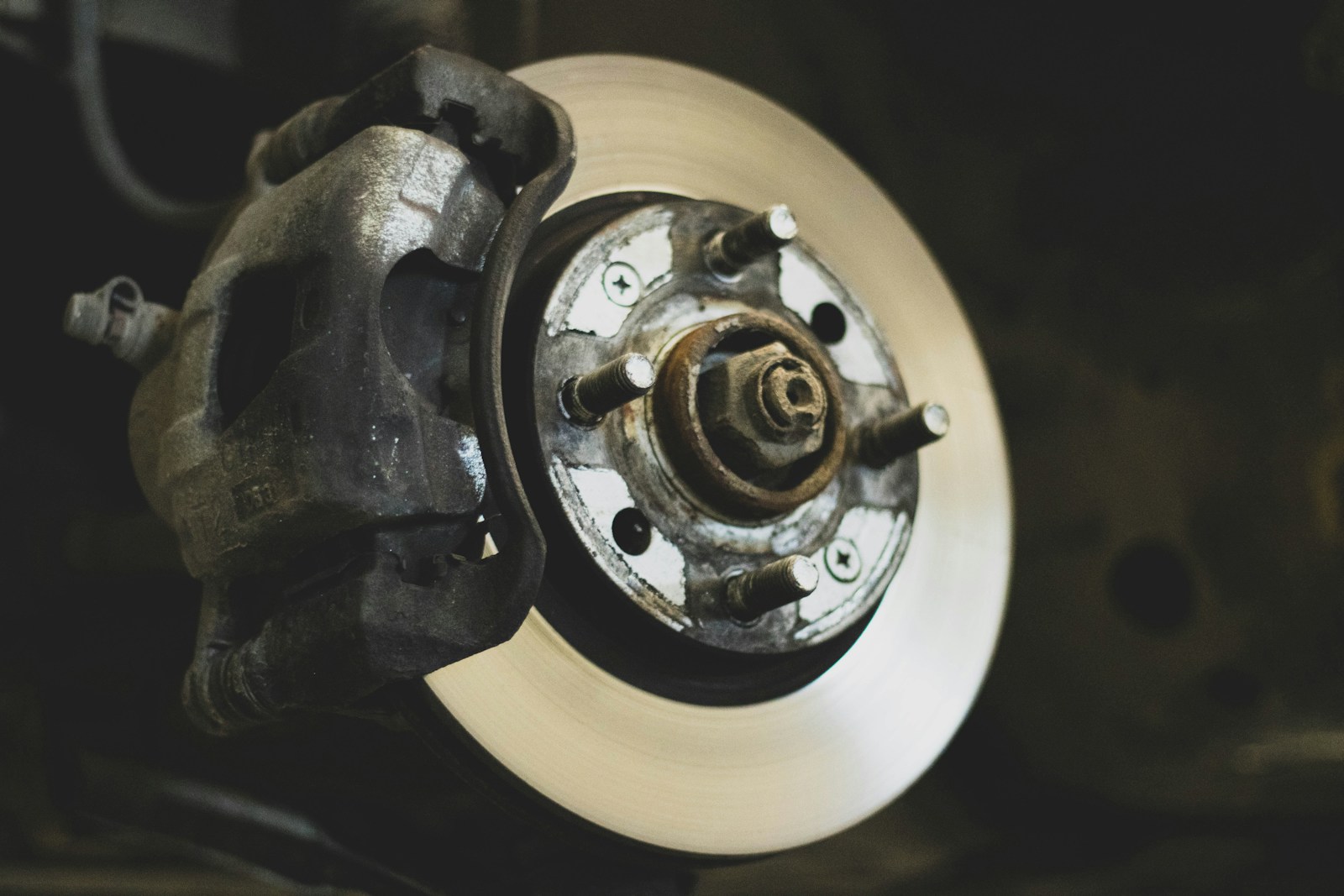
The mechanic held up what was left of the pad like it was evidence from a crime scene. There wasn’t much friction material at all—just the thinnest suggestion of it, uneven and chewed up. The backing plate had been doing the stopping for who knows how long, which is less “maintenance issue” and more “this car has been grinding itself to a halt.”
He pointed to the rotor next, and that’s when the customer’s stomach dropped. The rotor face wasn’t smooth; it looked scored and gouged, with shiny tracks where metal had been contacting metal. In a couple spots, the surface had that heat-discolored look, like it had been cooked from repeated friction without the pad material doing its job.
The mechanic explained it in plain terms: once the pad wears through, the caliper’s metal hardware starts carving into the rotor. That grinding noise wasn’t just annoying—it was the sound of parts getting destroyed every time the customer hit the brakes. “Fresh brakes,” the mechanic repeated, and you could hear the sarcasm trying to escape.
Then came the moment that always stings: the quote. Pads and rotors at minimum, possibly calipers depending on how long it’s been like this, plus labor. The customer didn’t argue with the mechanic about cost, because the real argument was forming in their head with someone else.
The customer calls the dealership, and the tone shifts in real time
From the waiting area, the customer called the dealership and asked for the salesperson first. They didn’t start with yelling; they started with a clean, simple question. “Hey, you said the brakes were fresh—my mechanic has the wheel off and the pads are basically gone. What’s up with that?”
The first response was a classic stall: confusion, then a soft denial. The salesperson said they “didn’t remember saying that” and then pivoted to what they “meant” instead—something vague about the car having passed inspection. It was a quick shift from confident promise to slippery wording, like the sentence had been rewritten on the fly.
The customer asked for the service department, because sales can pretend not to know, but service has paperwork. When they got through, the service advisor asked for the VIN and put them on hold long enough for that hold music to start feeling personal. When he came back, he said the car “met the standards at the time of sale” and that wear items “aren’t typically covered.”
That’s the point where the customer’s politeness started cracking. They weren’t asking for a free air freshener or a goodwill oil change. They were looking at brakes worn down to metal, and the dealership had used the words “fresh brakes” to close the deal.
Receipts, photos, and the awkward dance of “bring it in”
The mechanic offered to take photos, because he’d seen this movie before. Close-ups of the pad thickness, the rotor scoring, the uneven wear patterns—pictures that don’t care about anyone’s excuses. He even showed the customer how the rotor edge had a noticeable lip, the kind you can catch a fingernail on, which doesn’t happen after a week of normal driving.
Armed with that, the customer called back and asked, directly, for some kind of remedy. That’s when the dealership did the “bring it in and we’ll take a look” thing, which sounds reasonable until you realize it’s also a trap door. If the dealership “takes a look” and declares everything normal, you’re suddenly arguing about physics instead of promises.
The customer pushed back. They didn’t want a look; they wanted accountability. The dealership’s tone hardened into policy language—inspection standards, used car conditions, “as-is” vibes—even if the paperwork didn’t literally say “as-is,” the message was clear: they were going to treat the brakes like normal wear and tear, not like a misrepresentation.
And in the middle of all this, the car was still on a lift with its brakes in pieces. The customer was stuck choosing between paying out of pocket right now or towing the car back to the dealership on principle, knowing the dealership could drag things out while the customer’s life stayed on pause.
The mechanic’s verdict makes it worse, not better
What made the conflict really catch fire wasn’t just the worn pads—it was the mechanic’s certainty about timeline. He told the customer there was no way these brakes went from “fresh” to “metal-on-metal rotor damage” in the short time they’d owned the car unless they’d spent every day doing panic stops down a mountain. Normal driving doesn’t eat through pads that fast.
He also pointed out wear patterns that suggested neglect, not recent servicing. The pads weren’t evenly worn, and the rotor damage wasn’t a single event—it looked like repeated grinding over time. If the dealership had actually replaced pads right before sale, the rotors wouldn’t look like they’d been used as a record player needle.
That turned the customer’s anger into something sharper. It wasn’t just “they didn’t replace the brakes.” It was “they said they did, and they either didn’t check or didn’t care.” The customer asked the mechanic, half-joking and half-dead serious, if he’d be willing to talk to the dealership. The mechanic gave a tired nod that said he’d do it, but he didn’t expect it to matter.
When he did speak to someone over the phone—service or sales, it wasn’t even clear—the mechanic kept it clinical. “Pads are worn to the backing plate. Rotors are heavily scored. This wasn’t serviced recently.” He didn’t insult anyone. He didn’t have to; the facts did the insulting for him.
Where it lands: stuck between paying now and fighting later
The dealership didn’t suddenly admit wrongdoing. They didn’t say, “Oh wow, our mistake, come in and we’ll fix it.” What they offered, at best, sounded like a half-step: bring it in, maybe they’ll “help out,” maybe there’s “some sort of goodwill,” but nothing promised, nothing in writing, nothing that matched the confidence of “fresh brakes” from the day of the sale.
The customer ended up staring at two bad options. Pay the mechanic to do the job right away—safe brakes, real parts, real labor—and then start a separate fight with the dealership afterward. Or try to force the dealership’s hand first and risk delays, denial, and the weird humiliation of handing your car back to the people you don’t trust to touch it.
And that’s the part that made the whole thing feel grimy: brakes aren’t cosmetic, and this wasn’t a minor discrepancy. The customer wasn’t chasing perfection; they were trying to avoid being the person who bought a car that was quietly chewing through its own rotors because someone wanted a sale to go smoothly.
By the end, the rotors still looked like they’d been grinding metal because they had been, and the dealership still had room to pretend it was all a misunderstanding. The customer was left with that uniquely bitter kind of anger that comes from realizing the lie wasn’t even clever—it was just convenient, and now the price of proving it was coming out of their own pocket first.