

By the time Marissa got to her car, her hands were already full. She had a paper bag of takeout pressed against her hip, her keys pinched between two fingers, and that loose, end-of-day tiredness that makes your brain move a half-second behind your body.
Her sedan was parked in the back row of her apartment complex lot, wedged between a shopping cart corral and a patch of scraggly landscaping. She clicked the key fob out of habit, heard the chirp, and then stopped—because there was a truck where there absolutely hadn’t been a truck when she walked inside ten minutes earlier.
It wasn’t just any truck, either. It was Dean’s truck, backed in close enough that her headlights were practically kissing the tailgate. She could see his silhouette in the driver’s seat, arm hooked over the window frame like he’d been waiting for a movie to start.
The kind of “coincidence” that doesn’t feel like one
Marissa didn’t run into Dean by accident. Not here, not at her building, not at 9:30 at night with her dinner cooling through the paper bag. Dean wasn’t supposed to know her new spot, and she’d been careful about it in the way you get careful after a breakup that doesn’t stay broken.
She walked up anyway, because there’s that awful instinct to confirm what you already know. “Move your truck,” she said through the glass, keeping her voice flat and even the way you do when you’re trying not to give someone the satisfaction of a reaction.
Dean turned his head slow, like he was offended she didn’t greet him properly. He smiled the tight, practiced smile she remembered from the end of their relationship—the one that always came right before he started talking about “communication” and “closure” like those were magic words that erased boundaries.
“We need to talk like adults,” he said, loud enough that she didn’t have to lean in. “You can’t keep avoiding me.”
He says “adult,” she hears “trapped”
Marissa took a step back and looked at the setup: his truck blocking her front bumper, and another car parked tight behind her. She didn’t have enough room to pull forward, and reversing was impossible unless her sedan could phase through metal.
She tried the simplest option first—because she wanted to be able to tell herself she’d been reasonable. “Dean, I’m not doing this. Move the truck. I’m leaving.” She lifted her phone so he could see it in her hand, not as a threat, just as a fact.
Dean’s expression hardened like she’d insulted him. “You always do that,” he snapped. “You always try to make me the bad guy. I’m not yelling. I’m trying to have a conversation. Like an adult.”
He kept repeating the phrase like it was a spell: talk like adults, talk like adults. And the way he stayed in the driver’s seat, engine idling, told her he didn’t mean it as a suggestion. He meant it as a condition.
Marissa glanced around the lot, hoping for a neighbor, a dog walker, anyone who’d force Dean to act like a normal person. The place was quiet in that late-night way where even the streetlights feel like they’re minding their own business.
The negotiation that isn’t a negotiation
She tried to go around to the passenger side of her car, just to put distance between them. Dean immediately leaned out farther. “Where are you going?” he called, like he had a right to track her movement. The casual possessiveness of it made her stomach drop.
Marissa told him he was blocking her in and it was illegal. Dean scoffed, as if legality was an overreaction to a man deliberately using a vehicle to control someone else’s ability to leave. “I’m not blocking you in,” he said, still not moving an inch. “If you’d just talk for five minutes, I’ll move.”
That’s what made it click for her: there was no version of this where she said the right sentence and he suddenly respected her. The truck wasn’t there because he wanted closure. It was there because he wanted leverage.
He started bringing up the greatest hits. How she “owed” him an explanation. How she’d been “cold” lately. How she “never listened” unless it was on her terms. He framed every complaint like she was a stubborn child and he was the only adult in the room.
Marissa, meanwhile, was standing in a parking lot with dinner in her arms, doing the math on whether she could safely walk back to her building without him following. Every time she shifted her weight, Dean shifted too, like he was trying to herd her back into the spot he’d chosen for her.
Calling the police feels dramatic until it doesn’t
She unlocked her phone and held it to her ear with the kind of calm that only shows up when panic has nowhere else to go. Dean watched her dial, eyes narrowing. “You’re calling the cops?” he said, finally sounding less like a self-appointed mediator and more like a guy realizing he’d miscalculated.
Marissa didn’t answer him. She gave the dispatcher her address, her name, and a short description: ex-boyfriend, blocking her car with his truck, refusing to move, won’t let her leave. She didn’t embellish, because she didn’t need to. The situation already sounded exactly like what it was.
Dean hopped out of the truck then, boots hitting the pavement hard. He walked a few steps toward her and held his hands out, palms up, a gesture that was supposed to read harmless. Up close, it just felt like pressure. “Hang up,” he said, not quite pleading, not quite ordering. “This is between us.”
Marissa took a step back and angled her body so her car was between them. “Stay there,” she said, still on the phone. The dispatcher asked if he had any weapons, if he’d threatened her. Marissa hesitated—because he hadn’t said “I’m going to hurt you,” not in those words—but he had trapped her, and that was threat enough.
Dean started pacing, glancing around like he expected an audience to validate him. “See? This is what you do,” he muttered. “You make everything a crisis.” He kept his voice low, but it carried in the empty lot.
Two patrol cars and a very quick change in tone
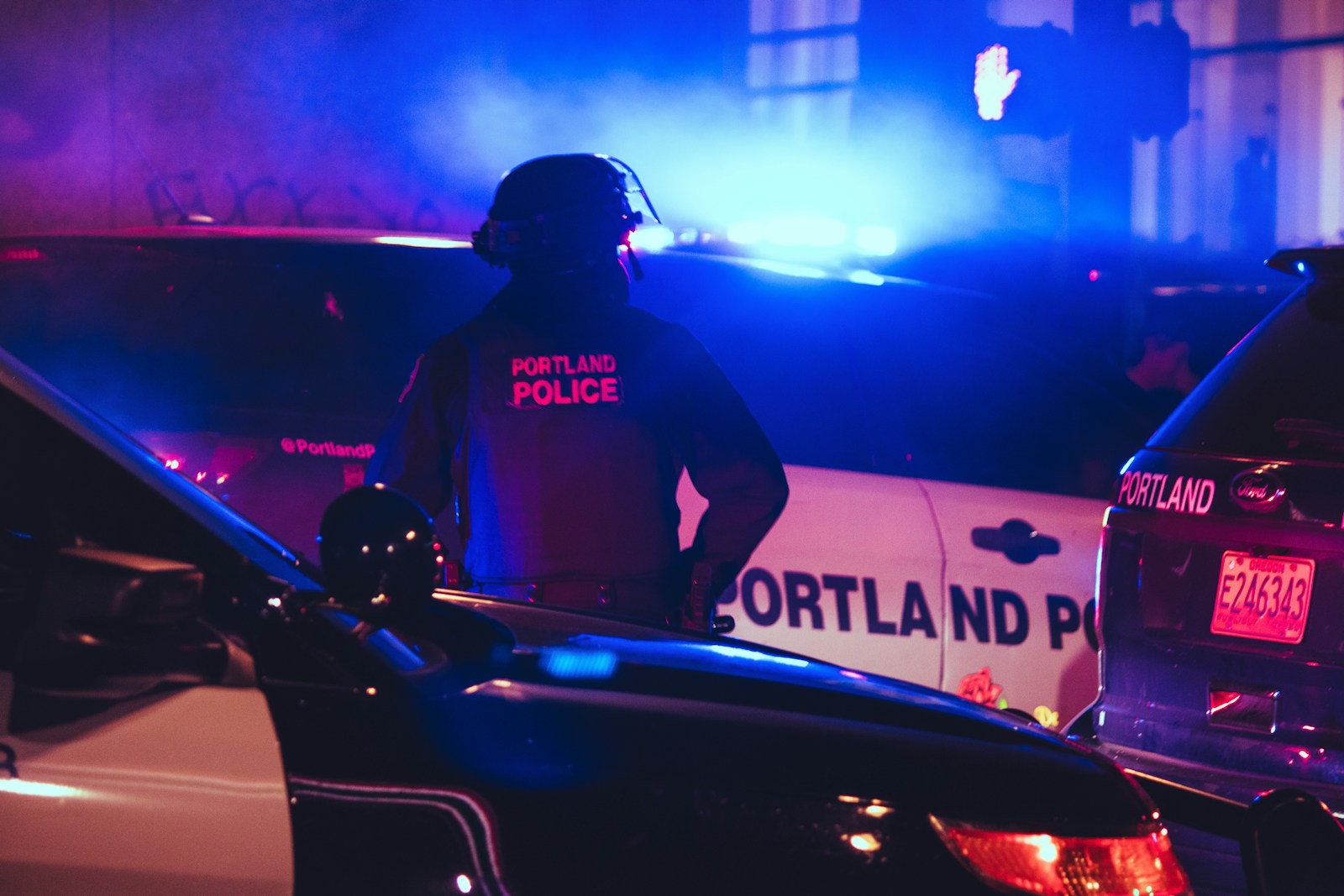
The flashing lights arrived fast, slicing across the parked cars and reflecting off Dean’s glossy tailgate. Marissa felt a wash of relief so strong it made her a little dizzy. She hadn’t realized how tense her shoulders were until she saw uniforms.
Dean’s entire posture changed the moment the officers stepped out. His hands went still. His voice softened. He suddenly looked like a man who’d been misunderstood, not a man who’d used his truck like a barricade.
One officer spoke to Marissa first, staying a few feet away from Dean while she explained. Her voice came out steadier than she felt. She pointed to the truck’s position and then to the car behind her, showing there was no way out.
Dean jumped in the second he was addressed. “I’m not trying to trap her,” he said, too quickly. “I just wanted to talk. Like adults. She’s been ignoring me, and I’m worried about her.” That last part came out like a flourish, as if “worried” should erase everything else.
The officers didn’t bite. They asked him why he was at her apartment complex. They asked how he got her address. They asked why he didn’t park in a normal spot instead of directly in front of her car. Dean’s answers got choppy, caught between wanting to sound reasonable and not wanting to admit the obvious.
When one officer told him to move the truck immediately, Dean did it without another argument. No more talk like adults. No last request for five minutes. He climbed in and pulled forward like he’d been capable of doing that the whole time—which, of course, he had.
What she drove away with, and what she couldn’t
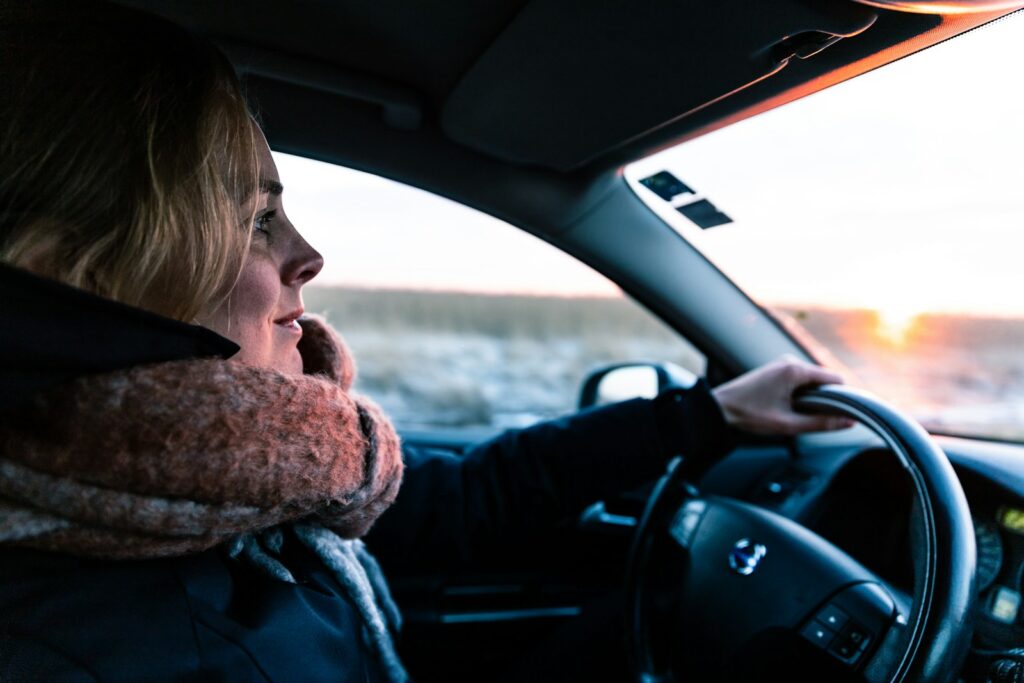
Marissa backed out slowly, hands tight on the steering wheel, half-expecting Dean to swing his truck around and block her again. He didn’t, at least not right then. He stood by his driver’s door with that same tight smile, jaw clenched like he was swallowing words.
The officers spoke to her again before she left, the way they do when they’re trying to be helpful without promising outcomes. They told her she could file a report. They asked if she wanted a no-trespass order for the property, and suggested she talk to the apartment office in the morning.
She nodded, gave short answers, and kept watching Dean in her rearview mirror. The thing about a situation like this is that it doesn’t end with the truck moving. It ends with her realizing he’d found her once, and he’d been comfortable enough to physically prevent her from leaving until she did what he wanted.
Later, when she finally got upstairs, the takeout bag was greasy and cold, her appetite long gone. She locked the deadbolt, checked the window latch, and set her phone on the counter like it was another kind of key. Dean had asked to “talk like adults,” but what he’d really demanded was access—and the only reason he didn’t get it was because she refused to negotiate her way out of a trap.
More from Steel Horse Rides: