
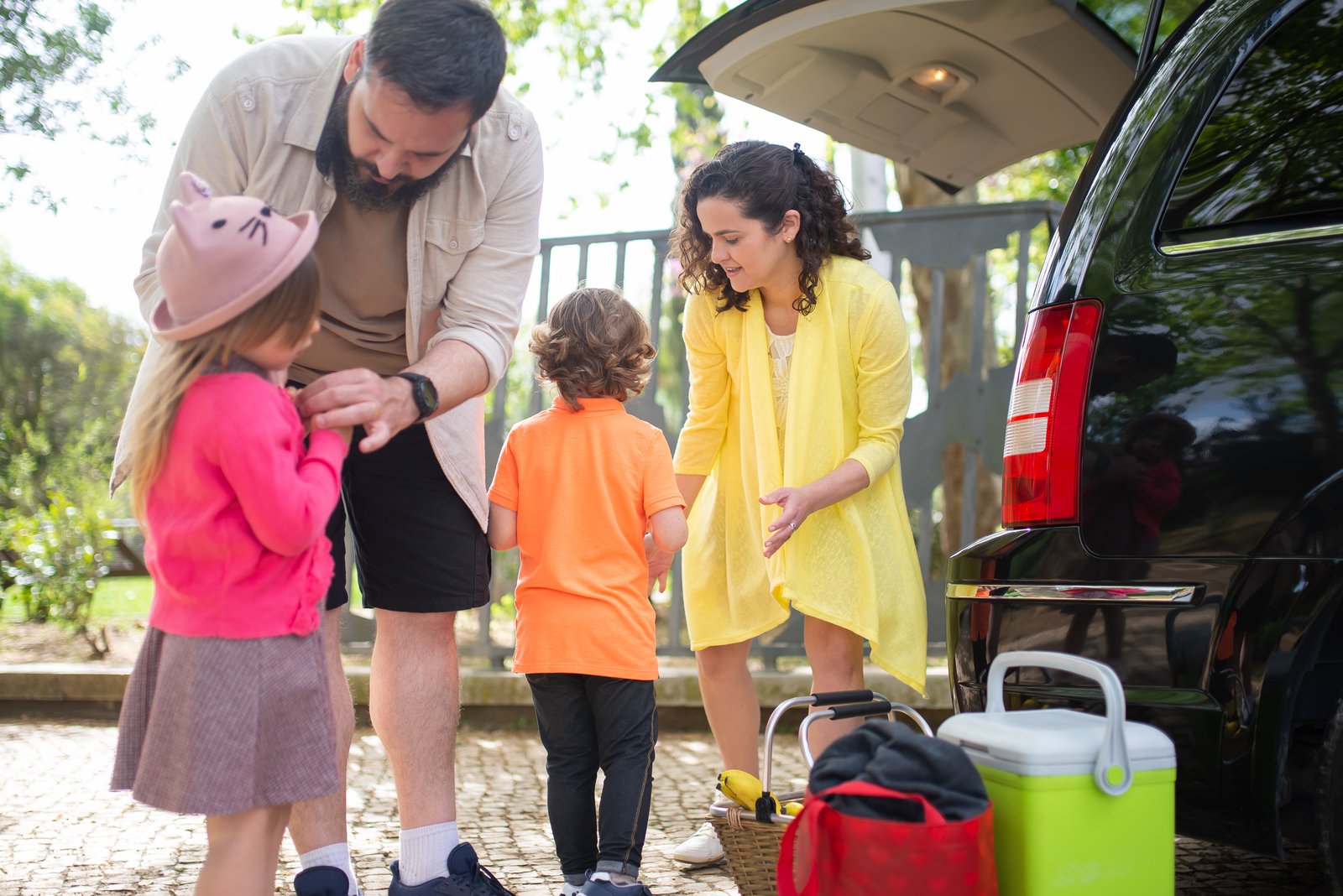

They were barely three hours out when the “certified” SUV started acting like it had a grudge. First it was a faint shudder under the pedals, the kind you can convince yourself is just a weird patch of highway. Then a warning chime popped up, the dashboard lit like a slot machine, and the air in the front seats changed from road-trip giddy to quiet, strained math: how far to the next exit, how much cell service, how long before the kids notice.
This was supposed to be the easy trip. A long weekend, a rental cabin, the kids hyped up on snacks and playlists, the parents congratulating themselves for “finally doing something fun” after a chaotic year. They’d specifically bought the SUV a few months earlier because they didn’t want to risk exactly this—breaking down in the middle of nowhere with two kids and a trunk full of stuff.
The whole selling point was the little badge on the dealership listing: “Certified Pre-Owned.” It sounded official, like someone with a clipboard had blessed the car into reliability. The parents had paid a premium for that phrase, the extended warranty, the whole pitch, figuring the extra money was basically buying peace.
The trip starts like a commercial, right up until it doesn’t
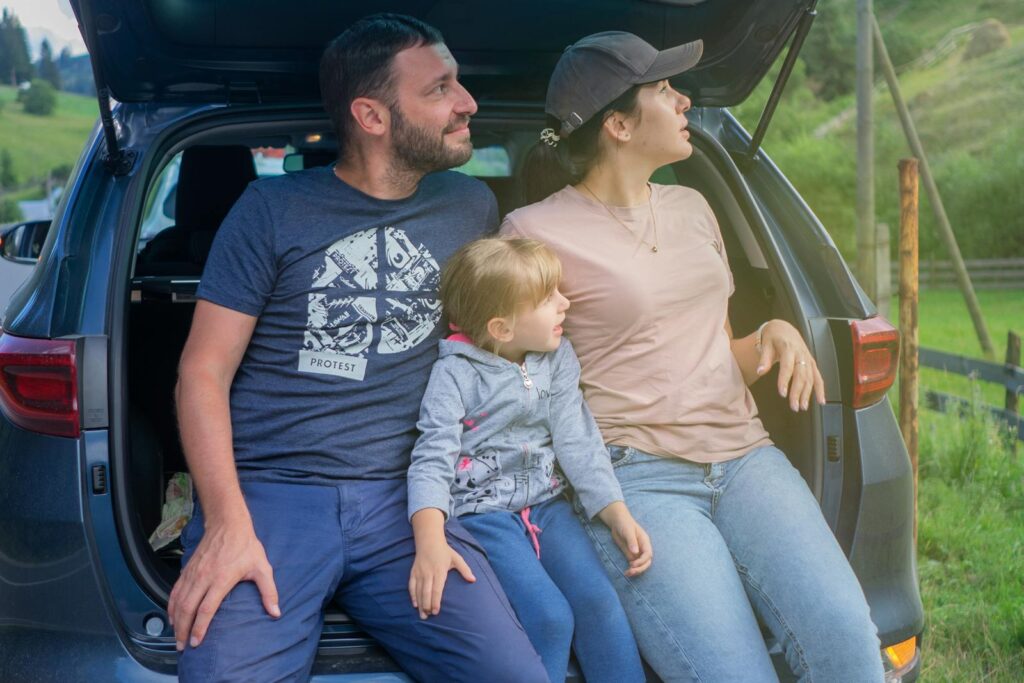
At first, everything looked like one of those family photos people take at gas stations to prove they’re “making memories.” The kids were bickering about who got to control the tablet, the back seat was already a battlefield of juice boxes and stuffed animals, and the parents were doing that optimistic talk about stopping somewhere “cute” for lunch. They’d timed it so the youngest would nap during the first stretch.
Then the SUV started hesitating on hills. Nothing dramatic—just a lag when the driver pressed the gas, like the engine had to think about it. The passenger mentioned it once, lightly, and got the standard response: “It’s probably just the transmission learning,” which is what people say when they don’t want to admit they’re worried.
They made it through the first two hours on pure denial. The driver turned the music up slightly, like volume could drown out mechanical anxiety. The kids started asking, “Are we there yet?” in a rhythm that matched the car’s little stutters, which did not help anyone’s blood pressure.
Warning lights, hot air, and the moment the kids realize something’s wrong
The real turning point wasn’t the check-engine light. It was the smell—hot plastic or burning oil, something sharp that made the driver crack a window. The passenger immediately went into that tense scanning mode, eyes bouncing between the dashboard and the road, already picturing themselves on the shoulder with semis blasting past.
A few minutes later, the SUV started blowing warm air even though the A/C was on full. The kids complained instantly. That’s when the parents stopped being able to keep their voices calm, because nothing turns a manageable problem into chaos like sweaty, restless kids who can sense fear.
The dashboard threw a message about the engine overheating, and the driver’s posture changed. They pulled off at the next exit, hoping for a gas station, a mechanic, literally anything that wasn’t trees and a faded billboard. Instead they got a small road that looked like it led to someone’s farm and a shoulder that sloped just enough to make stopping feel wrong.
The SUV finally gave up with a lurch. The driver got it onto the side, hazards blinking, and there was this brief, horrible silence where nobody talked because everyone was listening for ticking and hissing. The youngest asked if they were “in trouble,” which is how you know a situation has crossed from inconvenient to scary.
The roadside scramble: phone calls, blame, and a warranty that suddenly has “rules”
They did the usual checklist: turn the car off, pop the hood, pretend you know what you’re looking at, immediately regret opening the hood because the heat rolling out feels accusatory. The passenger tried to keep the kids calm with snacks, but the kids were already in the “why are we stopped?” spiral. Trucks passing at highway speed made the whole SUV wobble slightly, which did wonders for everyone’s nerves.
Cell service was spotty. They got one bar, then none, then one again, like the phone was also judging them. The driver called the dealership first, because that’s where the anger naturally landed: You sold us a “certified” vehicle and it’s dying three hours from home.
The dealership’s service department did the classic polite-unhelpful routine. They asked if the driver had maintained the vehicle. They asked if any modifications had been made. They suggested calling the warranty provider, as if that was a separate universe and not something the dealership had packaged and sold.
When the warranty provider finally answered, it got worse. Roadside assistance was included, sure, but only up to a certain mileage, only to the nearest “approved” repair facility, and the tow could take “up to two hours” depending on availability. The passenger, who’d been trying to stay calm, snapped at the word “up to,” because “up to” is what companies say when they don’t plan to be accountable.
Meanwhile the kids were melting down in real time. One needed the bathroom. The other kept asking why they couldn’t just “get a new car.” The passenger tried to laugh, but it came out thin and sharp, and the driver shot them a look that said, not now.
The tow truck arrives, but it doesn’t feel like help
The tow finally showed, not as a heroic rescue but as another complication with a diesel engine. The driver—tow guy, not their driver—looked at the SUV and immediately said he couldn’t tow it with the kids inside, which is reasonable but still felt like someone moving the finish line. He suggested they all wait behind the guardrail, which is the kind of suggestion that sounds fine until you’re actually standing there holding a squirming child while cars whip by.
The passenger asked where they were being taken. The tow guy named a shop in a town they’d never heard of, the “nearest approved facility,” and said if the shop couldn’t fix it today they’d have to figure out a rental themselves. That word—rental—hit like a second breakdown, because they’d bought the SUV to avoid exactly this situation and now they were about to pay out of pocket to continue the trip.
At the shop, the “certified” part stopped sounding like protection and started sounding like marketing. The mechanic took one look, plugged in a scanner, and started doing that cautious language: could be this, could be that, need to diagnose. The passenger pressed for a timeline and got the shrug that every parent dreads: maybe today, maybe not.
The driver called the dealership again, angrier now. The dealership said they couldn’t do anything until the repair facility confirmed what failed and whether it was covered. The driver asked what “certified” even meant if the car could overheat and strand them with kids on the side of the highway. The service rep’s voice stayed calm in a way that felt like someone refusing to share the panic.
The trip becomes an argument about money, trust, and who “should’ve known”
By the time they were sitting in a cramped waiting room with a vending machine that didn’t take cash, the family road trip vibe was dead. The kids were bored and cranky, bouncing between whining and staring at a phone that was now everyone’s last thread of distraction. The parents started speaking in that careful tone couples use when they’re trying not to fight in front of children, which somehow makes the fight louder anyway.
The passenger blamed the driver for insisting on that dealership and brushing off the early warning signs. The driver blamed the passenger for pushing for the trip in the first place and treating the SUV like some magic guarantee. Both of them were really mad at the same thing—being sold a story and realizing it was just paperwork—but it’s hard to yell at paperwork, so they took turns aiming at each other.
There was also the money. The tow fee beyond what the warranty covered. The possibility of a hotel if they couldn’t get a rental. The sunk cost of the cabin reservation and the groceries they’d packed in a cooler that was now slowly warming. Each new expense felt like salt in the wound, not because they couldn’t pay it, but because they’d paid extra to avoid it.
When the mechanic finally came back, it wasn’t a clean answer. Something in the cooling system had failed, maybe a thermostat housing, maybe a water pump, but the bigger concern was whether the overheating had caused additional damage. The warranty might cover parts, but only if they could prove there wasn’t “pre-existing neglect,” and the mechanic’s face said he’d seen this fight before.
They ended up in that weird limbo where nobody can move forward without someone else signing off. The dealership wanted the warranty provider to approve. The warranty provider wanted the shop’s paperwork. The shop wanted time. The parents wanted to get their kids somewhere safe and cool and not fluorescent-lit.
When they finally got a rental option, it wasn’t immediate and it wasn’t cheap. The driver stood at the counter trying to keep their voice level while their kid tugged their sleeve asking for a snack. The passenger stared at the broken SUV through the glass like it had personally betrayed them, which, honestly, it kind of had.
They didn’t even know if they were still going to the cabin. The reservation clock was ticking, the kids were fried, and both parents were running on adrenaline and resentment. The “certified” SUV sat behind the shop like a cruel joke, and the only thing that felt certain was that, when they eventually got home, the fight wouldn’t be about a broken part—it’d be about how quickly trust breaks when you’ve got kids in the back seat and a promise in the front that didn’t hold.
More from Steel Horse Rides: