

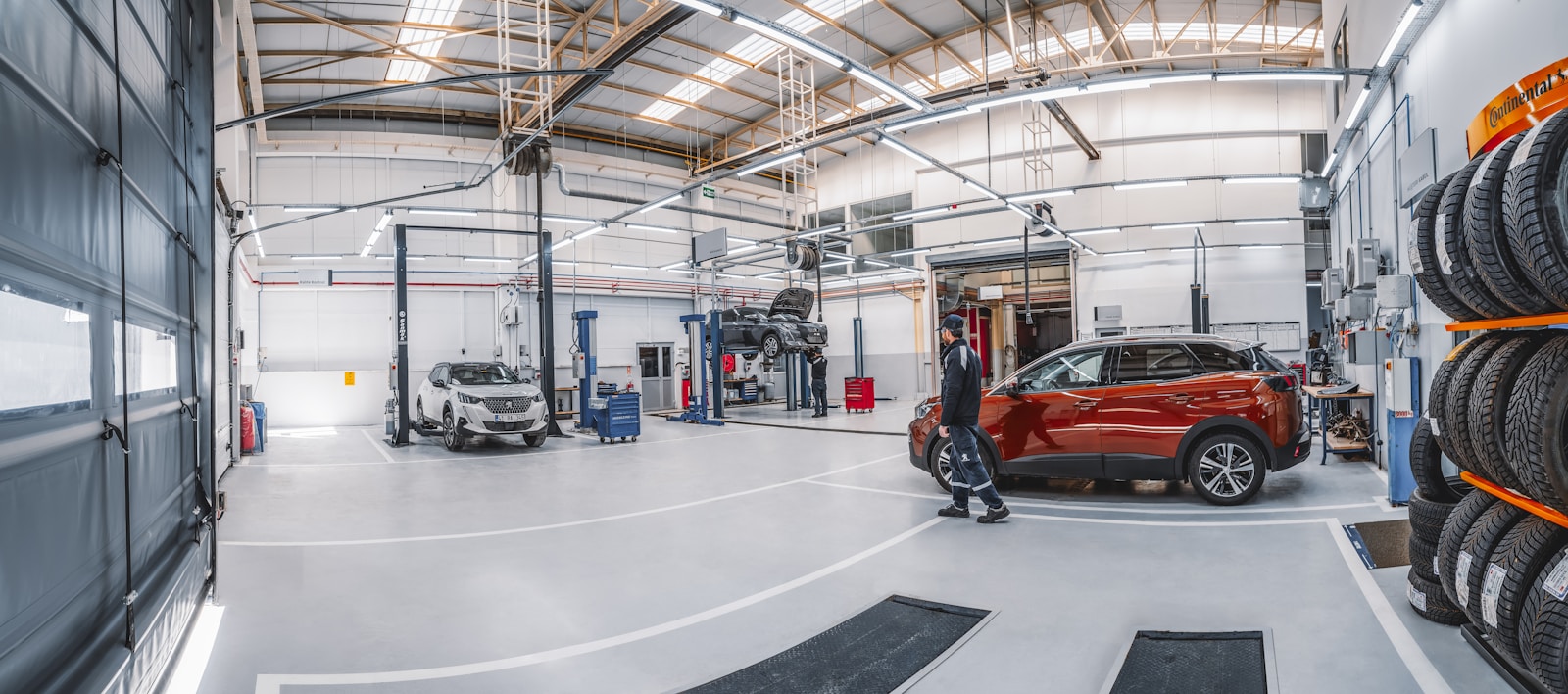
The whole thing started with a noise that wouldn’t commit to being dramatic. Not a dramatic engine knock, not smoke pouring out of the hood—just a stubborn shudder and a check-engine light that kept coming back like a boomerang. The car owner, a guy who’d been babying this vehicle because he couldn’t afford a surprise replacement, finally gave in and booked an appointment at a local shop with a decent reputation.
He wasn’t asking for miracles. He just wanted the car to stop acting like it was about to stall at every red light, and he wanted someone to explain it in plain language. He showed up with a short list of symptoms, a couple of printed codes from a cheap scanner, and that cautious optimism people have when they’re about to hand over their keys and their bank account to a stranger in coveralls.
The first week felt normal enough. The shop told him they’d “get it on the lift,” then called to say it needed diagnostics, and then came the first estimate. It was high, but not insane—until time started stretching, and the phone calls started sounding less like updates and more like improvisation.
The drop-off that turned into a long-distance relationship
At drop-off, the shop acted like this would be a quick turnaround. A couple days, maybe three, because they were “a little backed up.” They asked the usual questions, wrote notes on a clipboard, and assured him they’d call when they knew what they were dealing with.
By day four, he was the one calling. The person who answered didn’t sound panicked, just busy, and said they were still diagnosing it. When he asked what that meant, he got a vague “we’re running tests,” followed by the kind of pause that makes you wonder if your car is even in the building.
A few days later came a call: they’d found the issue, or at least an issue. It was described in that careful, slippery way—something that could be serious, but also maybe not. They wanted approval to replace a part that was “commonly the culprit,” and he agreed because, sure, that’s why you bring it to a shop.
Then the timeline started doing that thing where nobody wants to be the person who says, “Actually, we have no idea.” A part was delayed. Then the wrong part arrived. Then the tech who was working on it was out. Every update sounded like the shop was reading off a menu of reasons people can’t have their car back yet.
The estimate grows legs
Somewhere around week two, the shop started bringing up additional problems. Not the kind of “we found worn brake pads” add-on, but the more ominous “while we’re in there” stuff. Each time, the owner asked the same question: is this related to the original issue, or are we just stacking repairs because it’s already torn apart?
He didn’t get a clean answer. They’d say it was “connected,” or that it “could contribute,” or that it was “recommended.” The language was always a half-step away from committing to anything, but the numbers on the estimate kept getting more committed by the day.
He started asking for specifics: which codes are you seeing now, what are the test results, what exactly failed. The shop would promise the manager would call back, or the tech would “explain it when he’s free,” and then nothing. When he did reach someone, the explanation came out like a rushed summary, heavy on jargon and light on why.
By week three, the owner was juggling rides to work and calculating how long he could keep paying for rental cars and favors. He’d call for an update and hear, “We’re waiting on one more thing,” which is a sentence that sounds harmless until you’ve heard it ten times. The shop wasn’t hostile, exactly. It was worse than hostile—casual, like his missing car was a minor inconvenience.
Six weeks of “almost done”
Week four turned into week five with the same rhythm: he calls, they say it’s close. They mention a test drive, then another issue pops up. They say they’re rechecking. They say they’re clearing codes. They say they’re verifying it’s fixed because they “don’t want to send it out wrong,” which would’ve been comforting if it didn’t sound like stalling.
At one point, the owner tried a different approach and showed up in person. Not storming in, just the calm, controlled kind of irritated where you’ve rehearsed your questions in the parking lot. The front counter person smiled like nothing was weird, then disappeared into the back for several minutes and returned with a shrugging update that didn’t match the confidence they’d had on the phone.
Seeing the car didn’t even make him feel better. It was there, technically, but it looked like a project that had been paused and resumed by different people. He asked if they could at least tell him what had been replaced so far, and the answer came in chunks—this sensor, that valve, some cleaning, a reflash, maybe.
He kept hearing versions of the same line: “These are tricky.” And sure, modern cars can be. But “tricky” starts sounding like “we’re guessing” when the bill is creeping up and the timeline has blown past a month.
The pickup: same problem, new invoice
At the six-week mark, the shop finally called with the tone everyone waits for: it’s ready. They said they’d road-tested it, it was running “good,” and he could come pick it up before closing. The owner showed up relieved and also braced, because six weeks doesn’t end with a small bill.
The invoice was worse than he expected. The number had climbed beyond the earlier estimate, and the line items looked like a greatest hits collection of troubleshooting. Parts, labor, diagnostic time, “additional diagnostic time,” shop supplies, and a couple entries that were so vaguely described they might as well have said “miscellaneous car stuff.”
He asked the obvious question: why is this higher than what we discussed? The person at the counter gave him that practiced look—half sympathy, half impatience—and said the job “took longer than expected” and they had to “chase the issue.” When he asked for a clear explanation of what the root cause was, the answer drifted toward, “Well, it was a combination of things.”
He paid because his car was effectively being held hostage by the situation, and he needed it. Then he started it in the parking lot. And there it was: the same rough idle, the same hesitation, like the car was mocking him for believing in closure.
The confrontation nobody enjoys
He walked back inside, keys still in hand, and said, calmly at first, “It’s still doing it.” You could practically feel the temperature change at the counter. The shop didn’t deny it; they just pivoted to the idea that it might need “a little time to relearn,” or that the computer needed to “settle after the work.”
He wasn’t buying it. He asked if one of their techs could come out and feel it themselves, right now, while he was standing there. After a few minutes, someone did—took it around the block, came back, and did that infuriating thing where they didn’t fully agree with him, but also didn’t fully disagree.
The owner pushed for something concrete: what exactly did you fix, and why is the symptom unchanged? The shop’s explanation got thinner the more he pressed. They started talking about possibilities again, about additional testing, about how intermittent issues can be hard to nail down.
Then came the line that made it feel personal: if he wanted them to keep looking, it would be more diagnostic time. Not “we’ll make this right.” Not “we clearly missed something.” Just the suggestion that the next step was him paying again for the privilege of watching them continue to guess.
He asked whether any of the replaced parts were confirmed bad. The answer was a dodge about how they “test out of spec” sometimes, or how replacing them is “standard procedure” based on experience. He asked for old parts back and got told they’d already been disposed of, which didn’t help the trust situation.
By the time he left—again—he was carrying that specific kind of frustration that’s hard to explain to people who haven’t been there. Not just “my car is still broken,” but “I paid a lot of money and six weeks of my life for a story that doesn’t add up.” The car drove home the same way it drove to the shop, except now it had the extra bonus of making him tense every time it shuddered.
The messiest part was that there wasn’t a clean next move. If he took it to a different shop, he’d be paying someone new to untangle someone else’s work, and he’d probably get the side-eye for not coming in sooner. If he went back to the original place, he’d be agreeing to the same vague process that just ate six weeks and spit out the same problem with a bigger bill.
And that’s where the story sticks: not with a satisfying resolution, but with this guy sitting in a still-broken car, staring at an invoice full of “chasing,” trying to decide whether he’s more afraid of driving it or of letting anyone touch it again.