

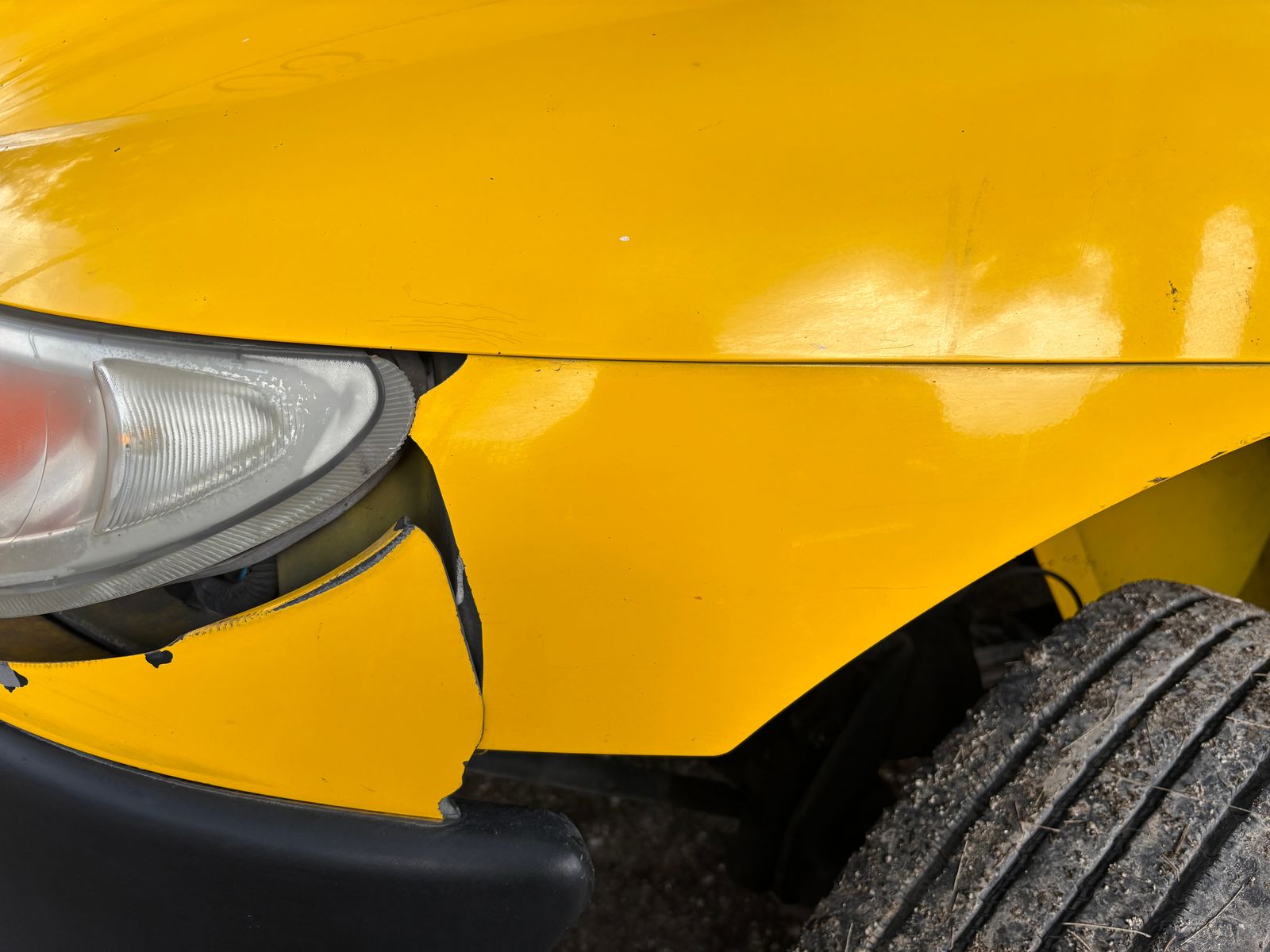
He thought he’d done everything right: screenshots of the listing saved, a long video walkaround from the seller, a clean Carfax, and about twenty zoomed-in photos of the paint that looked like they were taken for a dealership brochure. The car was a couple states away, but it was the exact trim he’d been hunting for—rare color, lower miles than most, and priced just low enough to feel like a win without feeling like a scam.
The seller had that practiced, friendly confidence in their messages. “I’m picky about my stuff,” they said. “I wouldn’t waste your time.” They’d answer fast, call when they said they would, and even sent a cold-start clip where the engine sounded normal. So the buyer wired the deposit, arranged transport, and spent the next week refreshing the tracking updates like a kid waiting for a console delivery.
When the carrier finally pulled up, it wasn’t an exciting moment so much as an anxious one. The buyer walked down the driveway with his phone already in recording mode, because everyone who’s ever bought a car sight-unseen knows the first rule: document everything. The driver started lowering the ramps, and that’s when the buyer’s stomach did the first little drop.
The first look: “That wasn’t in the photos”
From ten feet away, the car still looked good in the way a lot of cars look good from ten feet away. But as it rolled down into daylight, the buyer noticed the front bumper didn’t quite match the fender—just a shade off, like a repaint that didn’t nail the blend. The photos had been taken in soft, forgiving light; in direct sun, the paint told a different story.
He crouched by the passenger side and ran his fingers along a line of scratches that weren’t subtle once you saw them. Not little swirl marks either—straight, confident scuffs along the door and rear quarter panel, as if something hard had rubbed down the side. In the listing shots, that entire side had been photographed at angles that caught reflections but avoided the actual damage.
The transport driver stood there with that bored neutrality of someone who’s seen a hundred driveway disappointments. “I just move it,” he said, before the buyer could even finish a sentence. The buyer kept filming and started doing the slow walk around, and each step added something else: curb rash on two wheels, a cracked fog light lens, and a little spiderwebbing in the clear coat on the hood that looked like it’d been baked too hard.
Then the dash lit up like a Christmas tree
The seller had said the car was “mechanically perfect,” which is such a specific claim that it feels risky to make if it’s not true. The buyer climbed in, pressed the start button, and watched the cluster cycle through its normal startup sweep. For a second it looked fine, and he actually felt relief—until the lights didn’t go away.
Check engine stayed on. ABS stayed on. A tire pressure warning blinked even though the tires looked properly inflated, and a stability control light joined the party for no obvious reason. The buyer sat there for a beat, staring, doing that mental math where you try to decide if you’re overreacting or if your instincts are screaming for a reason.
He messaged the seller immediately, sending a short video of the instrument panel. The seller replied fast, but not with surprise—more like annoyance. “It’s probably because it sat,” they said, and then, when pressed, added, “Those lights come and go. It’s a sensor thing.” That was the moment the buyer realized the seller hadn’t just missed a detail; they’d normalized it.
The transport driver asked if the buyer was signing the delivery receipt. The buyer hesitated, because that signature is where the whole situation either becomes manageable or becomes a nightmare. He wrote notes on the receipt—scratches, wheel rash, warning lights—and the driver nodded like, sure, buddy, whatever helps you sleep, then climbed back into the cab.
And then there was the smell
It hit the buyer as soon as he shut the door and the cabin sealed up. Not “old car” smell, not even “someone smoked once” smell. It was a thick, sour odor with a sweet edge, like a damp towel that had been left in a gym bag and then sprayed with cheap air freshener as an apology.
He turned the AC on to see if it would clear out, and the vents pushed the smell straight into his face. Underneath it was something else too—faintly chemical, like cleaning solvent that never fully dried. The interior in photos had looked immaculate, all neatly vacuumed carpet lines and matte plastics, but photos don’t tell you if a car smells like it’s trying to hide a crime scene.
He popped the trunk and lifted the floor panel, expecting maybe a spilled drink or some forgotten groceries. Instead, he found evidence of a recent “detail” job that felt less like care and more like containment: heavy deodorizer packets stuffed into corners, dampness near the spare tire well, and a powdery residue along the edges that looked like baking soda or some kind of odor absorber.
It wasn’t hard to imagine what happened. A leak. A flooded footwell. A pet accident that soaked into padding. Something that would never show up in a crisp photo set taken after an aggressive cleaning, especially if the seller knew how to aim a camera and when to stop filming.
The seller’s story starts shifting
Once the buyer stopped asking “what is this?” and started asking “why wasn’t this disclosed?”, the seller’s tone changed. The friendly, breezy reassurance got replaced with clipped answers and little jabs about being “too picky.” The buyer pointed out that none of the scratches were visible in the listing photos, and the seller said the buyer should’ve requested more pictures if it mattered.
Then came the classic pivot: blaming the transport. The seller suggested the scratches must’ve happened in transit, even though the buyer’s delivery video showed the damage already there as the car rolled down the ramp. The buyer sent that clip, and the seller didn’t acknowledge it directly—they just switched to talking about how “used cars aren’t perfect” and how the price reflected that.
The warning lights, the seller claimed, were “just from the battery being low.” But the buyer had watched the car start strongly, and the voltage reading looked normal. He offered to take it to a shop immediately and asked if the seller would agree, in writing, to pay if it turned out to be anything major. The seller wouldn’t commit to anything beyond a vague “let’s see what it is.”
When the smell came up, the seller went weirdly defensive. They said they didn’t smell anything, suggested the buyer was exaggerating, and then said something that landed like a clue: “It was detailed last week, so it’s probably just the cleaners.” The buyer asked who detailed it, and the seller stopped answering for a while.
Now he’s stuck with a car and a paper trail
The buyer did what people do when they’re trying not to panic: he started making lists. What was documented in writing. What the listing claimed. What the seller said on the phone versus in messages. He pulled the photos from the listing again and noticed how carefully they’d been framed—how the sun glare sat right where the scratches now lived, how the interior shots avoided the lower carpet edges where dampness would show.
He called a local mechanic, explained the warning lights, and got the kind of response that makes your jaw tighten: “Could be nothing. Could be expensive. Bring it in.” He also called a detail shop to ask what it would take to remove a persistent odor, and the estimate came with that same careful hedging. If it’s in the headliner or under the carpet, it might not fully go away. If it’s mold, that’s a bigger project.
Meanwhile, the seller kept pushing for the buyer to “just enjoy the car” and stop obsessing. They offered a tiny concession—maybe they’d knock a few hundred off “for the hassle”—but only if the buyer agreed not to escalate it. The buyer read that as what it was: not help, but a bid to buy silence and close the window before anyone started pulling on threads.
He wasn’t even sure what “escalate” meant in a practical sense. The sale was already done, the car was already in his driveway, and the distance between them made everything harder. But he did have a clean stack of screenshots, a delivery video, and a receipt with handwritten notes that matched what the camera captured in real time.
The wild part was how quickly the excitement drained out of the whole thing. A week earlier, he’d been planning his first weekend drive, the route, the playlist, the stupid little photo he’d take when he parked it somewhere scenic. Now he was staring at a car that looked fine until you got close, sounded fine until you watched the dash, and felt fine until you shut the door and breathed in.
He kept coming back to the same frustrating thought: the seller hadn’t actually needed to lie big. They just needed to curate. Take flattering photos, say “mechanically perfect,” and let the buyer do the rest with hope and confirmation bias. And now, with the smell clinging to the upholstery and those warning lights glowing like tiny accusations, the buyer was left deciding which was worse—fighting it and maybe losing, or keeping it and always knowing he got played.