

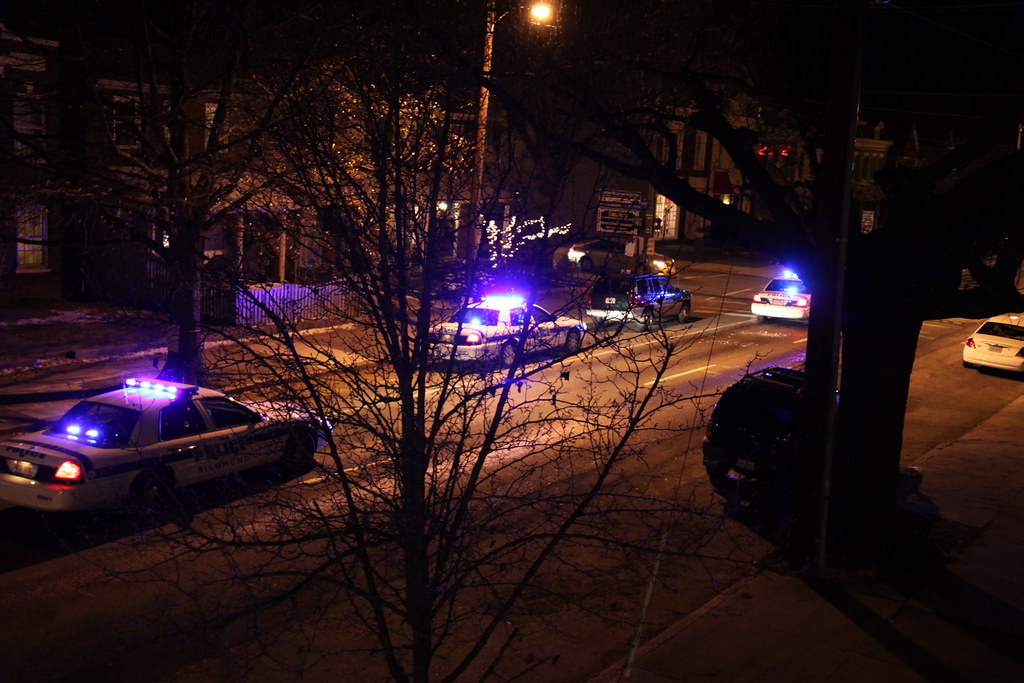
He’d been looking for a truck the way people look for a “reasonable” used truck now: obsessively, late at night, comparing listings that all felt overpriced, half-rusted, or both. When a clean-looking older pickup popped up from a private seller two towns over, it hit the sweet spot—decent miles, straight body panels, and a price that didn’t feel like a joke. The guy told himself he’d go “just to look,” which is what everyone says right before they buy something.
The seller was friendly in that practiced way, like someone who’s sold a few things online and knows how to steer small talk away from details. He said he was “helping a buddy” sell it, which was the first tiny flag, but he had a title in hand and the truck started right up. The buyer took it around the block, listened for knocks, checked the frame, and convinced himself he was being careful.
Two days later, while he was still in that post-purchase honeymoon—taking the long way home, finding excuses to run errands—the phone rang. A local number. On the other end was an officer asking if he was the current owner of a specific make, model, and plate number, and then saying the sentence that makes your stomach drop: the vehicle “may be connected to an open investigation.”
The Deal That Felt Too Normal
On the day of the sale, nothing screamed “crime.” The seller met him in a grocery store parking lot, not some sketchy pull-off, and he wasn’t acting jittery. He had a bill of sale template printed out, the kind you can grab online, and he’d already filled in the truck’s basic info in neat block letters.
The buyer did the normal checklist people brag about after the fact: matched the VIN on the dash to the paperwork, glanced at the sticker in the door jamb, and watched the seller sign the title. The seller even offered up little extras—an old toolbox in the bed, a set of floor mats—like he wanted the deal to feel personal. The buyer handed over the cash, snapped a photo of the signed title “just in case,” and drove away feeling like he’d beaten the market for once.
Later, replaying it in his head, the oddest part wasn’t anything mechanical. It was the seller’s insistence that the buyer register it quickly because “the insurance is already canceled” and “you don’t want any confusion.” At the time, it sounded like normal advice from someone trying to avoid liability. In hindsight, it sounded like someone trying to get the truck out of his orbit as fast as possible.
The Call That Turned the Truck Into a Problem
The officer on the phone didn’t come in hot with accusations, but he also didn’t sound casual. He asked when the buyer purchased the truck, from whom, and whether he still had any messages or the listing. Then came the gentle-but-not-gentle request: could he bring the truck in, or would he be willing to have an officer look at it where it was parked?
The buyer’s first reaction was the same one a lot of people would have—he tried to be helpful, because he didn’t feel guilty. He told the officer he had the signed title and bill of sale and that he’d just bought it as a private sale. The officer paused and said something like, “Okay, that’s good,” but didn’t give him the relief he was fishing for.
What the officer would say, carefully, was that the truck’s identification came up during an investigation and they needed to verify something. Not “it’s stolen,” not “you’re in trouble,” just a vague cloud that immediately made the buyer feel like he’d been pulled onto a stage he never auditioned for. The officer suggested he keep the truck where it was and not sell it or modify it until they could see it.
And then, because reality loves a cruel detail, the buyer remembered he’d already done a few small things. He’d put a new stereo head unit in the dash. He’d peeled off an ugly dealer sticker. He’d vacuumed out the cab and tossed a handful of random receipts and fast-food wrappers he’d found under the seat. None of it was sinister, but now it all felt like evidence he’d accidentally destroyed.
Backtracking Through the Seller’s Story
Once the call ended, he did what people do when they’re scared and trying to regain control: he opened his phone and started digging. The listing was still up, but the seller’s profile looked thin—no real history, no personal photos, and a name that might’ve been real or might’ve been a placeholder. The messages were polite and short, heavy on “Yes it’s available” and “Cash only,” light on anything that could be used to pin him down.
The buyer tried calling the number from the listing. Straight to voicemail. He texted, keeping it friendly at first—“Hey, quick question about the truck paperwork”—and watched the message sit unread. He tried again, less friendly. Nothing.
That’s when he started zooming in on the photos he’d taken the day of the sale. He had one of the seller holding the signed title at an angle, one of the odometer, and one of the VIN on the dash. In the background of one shot, a license plate from another vehicle was barely visible, reflecting in a nearby car window. He couldn’t make out the full number, but it was the kind of thing that suddenly felt important, like a breadcrumb he hadn’t noticed at the time.
He also realized he didn’t actually know where the seller lived. The guy had suggested meeting “somewhere public,” which is common, and the buyer had agreed because it felt safe. Now that safety worked both ways. The seller had walked back to his car, gotten in, and disappeared into traffic like anyone else.
When Police Actually Show Up
An officer came by later that day, not sirens-blazing, but not exactly friendly neighbor energy either. He walked slowly around the truck, checking the VIN plates and looking into the bed and cab. He asked if the buyer had done any repairs, swapped parts, or removed anything since buying it.
The buyer admitted the stereo swap and the cleaning, and you could almost see the officer mentally filing that away. Not as a “gotcha,” more like an “of course.” The officer asked again about the seller—name, phone, where they met, whether anyone else was there—and the buyer kept repeating the same frustrating truth: he had what the seller told him and a signature that could’ve been anyone’s.
Then the officer explained the part that really changed the mood. They couldn’t tell him exactly what the truck was connected to, but there was enough interest that it might need to be held or examined more thoroughly. The buyer heard the words “could be impounded” and felt his own money evaporate in real time.
The officer didn’t treat him like a suspect, but he also didn’t treat him like a victim with a simple fix. The system, he explained, has a way of turning innocent purchases into complicated messes. If the truck was stolen at some point, or used in a crime, or had a VIN issue, the buyer’s clean intentions wouldn’t magically make him whole.
Paperwork, Panic, and the Slow Creep of Regret
That night, the buyer spread everything out like he was studying for an exam: bill of sale, title, printed listing screenshots, his bank withdrawal receipt showing the cash pull. He compared the VIN on the dash to the one on the title again and again, hoping his eyes would catch a mismatch that explained everything. It all matched—at least the parts he could easily see.
He tried to register it anyway, thinking maybe a clean registration would settle it. The clerk took one look at the screen and quietly said she couldn’t complete the transaction right now. Not a dramatic denial, just that polite bureaucratic wall that tells you something is flagged and nobody behind the counter is allowed to explain why.
He went back to his truck and sat there, hands on the steering wheel, staring at the hood like it was a bad decision made out of metal. The worst part wasn’t even the fear of legal trouble; it was the helplessness. He’d done what people say to do—paperwork, public meeting, VIN check with his eyes—and still ended up with a vehicle that might not really be his.
By the time the officer called again, it wasn’t to say “all clear.” It was to ask him to bring the truck in for further examination when he could, and to remind him not to alter it or remove anything else. The buyer asked, carefully, what happens if they decide it needs to be held. The officer didn’t promise anything, just said they’d “work with him” and that he should keep every record he has.
So now the truck sits there like a giant question mark in his driveway, technically drivable but emotionally radioactive. Every time he walks past it, he thinks about the seller’s calm smile, the way the guy kept the conversation moving, the urgency to “register it fast,” and how easy it was to confuse smooth behavior with honesty. He wanted a truck; what he bought instead was a front-row seat to someone else’s unfinished story, and he still doesn’t know whether he’s about to lose his money, his vehicle, or just his peace of mind.