

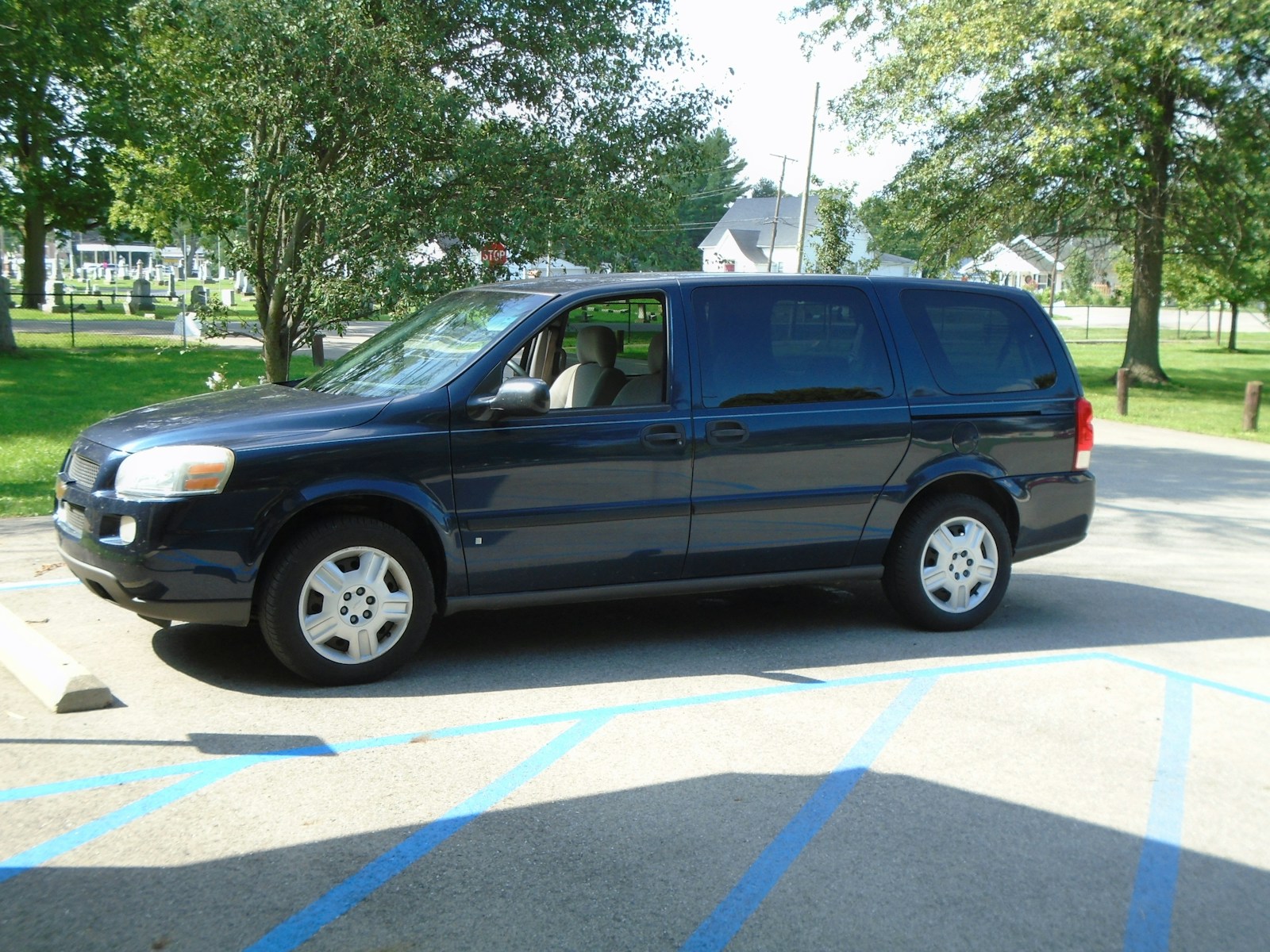
It started with a totally normal weekend visit: the daughter pulling into her parents’ driveway, kids unbuckling in the back, the usual scatter of snack wrappers and a soccer ball rolling under someone’s feet. Her minivan was dusty, a little dented near the sliding door, and packed with the evidence of a life that actually gets lived in. The husband hopped out too, already doing that mental checklist of “don’t forget the diaper bag, don’t forget the birthday present, don’t forget to smile.”
Her dad didn’t even say hello first. He looked at the van like it had personally insulted him and went, loud enough for everyone on the porch to hear, that the thing was “embarrassing.” Not old, not unreliable, not unsafe—embarrassing. He said it with that particular tone some people have where they’re not just making an observation, they’re making sure you feel small.
The daughter did that tight little laugh people do when they’re trying to keep something from turning into a scene. She brushed it off—“It’s fine, it runs”—and started unloading kids like she could physically move the conversation somewhere else. The father-in-law didn’t follow her inside, though; he followed the husband, like this was a man-to-man talk that had been waiting for the right moment.
The minivan wasn’t the problem, the image was
Once the kids were out of earshot, the dad got comfortable. He started listing all the reasons a minivan was “a bad look,” the way people do when they’ve rehearsed it in their heads for months. He said it made his daughter look like she’d “given up,” and it made the husband look like he couldn’t provide.
It wasn’t subtle. He made a show of looking the van up and down, pointing out the chipped paint and the car seats like they were proof of failure instead of… parenting. The husband kept trying to redirect—talk about the drive, the weather, anything—but the father-in-law kept circling back to the same point: people notice, and people judge.
The daughter heard enough to get the gist, because she came back outside with a bag of gifts and that expression that says, “I’m about to pretend I didn’t hear that because we’re in public.” She told her dad to stop and reminded him they’d bought the van because it fit their life: kids, groceries, strollers, the whole circus. He waved her off like she was missing the point on purpose.
Then he switched targets and made it a “husband” issue
The father-in-law waited until his daughter went inside again—like timing the conversation for maximum leverage—and told the husband he needed to “step up.” He said a truck would be more “respectable,” something a “real family” could be proud of, and he rattled off specific models like he’d already picked one out. It wasn’t a suggestion so much as a directive delivered with a grin.
The husband finally said what he’d been trying not to say: they couldn’t afford a truck. Not the kind the father-in-law meant, not with payments that would swallow their budget and insurance that would make them wince every month. They had a plan, they had a working vehicle, and they were trying to keep things stable.
That’s when the father-in-law did the thing that makes these situations so gross: he turned practicality into weakness. He told the husband that if he couldn’t buy a truck, he must not be trying hard enough. He even tossed out that line about “a man providing,” as if the entire household’s financial well-being hinged on whether the driveway looked impressive.
The “offer” that wasn’t really an offer
After dinner, the dad brought it up again, but this time with an audience. He waited until his wife was pouring coffee and his daughter was distracted with the kids, and then he casually announced that he’d “help them out” with a truck. The word help landed like bait, because it sounded generous enough to make anyone look ungrateful for hesitating.
But when the husband asked what “help” meant, the details got slippery. The father-in-law wasn’t offering to buy a vehicle outright. He was talking about “covering the down payment,” maybe “a couple months” if needed, and the rest was on them—payments, insurance, maintenance, fuel, all of it. It was like offering someone a few steps up a ladder and then acting offended when they pointed out the roof was still too high.
The daughter came back into the room mid-conversation and immediately caught the tone. She asked her dad what he was doing, and he smiled like it was all harmless. “I’m just looking out for you,” he said, like insulting her van and cornering her husband was a form of love.
The pressure campaign ramps up
Over the next week, the father-in-law didn’t drop it. He sent the husband listings—screenshots of lifted trucks, dealership promos, videos about “best family trucks” that felt like an algorithm gone rogue. He also started texting his daughter little jabs: “Still driving that thing?” and “Let me know when you’re ready to upgrade.”
He wasn’t just annoying; he was strategic. He’d bring it up around other relatives, too, loudly enough that the daughter could feel everyone’s eyes flick toward her keys when she left. Once, at a family get-together, he asked her husband—right in front of an uncle and two cousins—whether he’d “made a decision yet.” The husband laughed awkwardly and said they were fine, and the father-in-law gave that pitying nod like he’d expected the answer.
The husband started feeling the squeeze in a different way: not that he actually wanted a truck, but that he was being framed as the reason his wife was “embarrassed.” The father-in-law kept implying she deserved better, which sounds supportive until you realize it’s basically a wedge. The daughter was furious, but she was also tired, and tired people sometimes start arguing about the wrong thing.
The argument in their kitchen was the real breaking point
One night, after another round of links and comments, the husband and wife finally fought about it at home. Not screaming, not throwing dishes—just that sharp, exhausted kind of fight where every sentence is too blunt. He said he hated feeling like he was failing some invisible test, and she snapped that she hated her father making her husband feel that way in the first place.
She admitted something uncomfortable: part of her did feel embarrassed sometimes, but not by the minivan. She felt embarrassed by her dad, by the way he cared more about the optics of her life than the reality of it. She also worried that if her husband caved and bought the truck, her father would treat it like proof that bullying works.
The next weekend, they went back over there for a kid’s birthday, and the father-in-law couldn’t help himself. He walked them out to the driveway at the end of the night and patted the minivan’s hood like it was a sick pet. “We’ll get you out of this soon,” he said, looking directly at the husband while speaking to his daughter.
The husband finally said, calmly, that they weren’t buying a truck, and that he didn’t appreciate being pushed. The father-in-law’s face tightened—not angry like a shouting match, but offended like his authority had been questioned. He shot back that the husband was “too sensitive” and that he was “only trying to help his family look better.”
They drove home in silence, the minivan humming along like it always did, kids asleep in the back and the road lit by passing streetlights. The daughter stared out the window with that distant look that says she’s mentally replaying every conversation she wishes she’d shut down earlier. The husband kept both hands on the wheel, not because he needed to, but because he didn’t know what else to do with them.
Nothing was resolved, not really. The father-in-law hadn’t apologized, and he’d made it clear he thought their refusal was a personal insult. The couple had drawn a line, but they could already feel the next family event looming like another test—one where the minivan wasn’t just a vehicle, it was a symbol, and her dad seemed determined to keep making it the loudest thing in the driveway.