

It started the way these family favors always start: a quick text, a mild guilt trip, and a promise that it’d be “just for a day.” The older sister had a reliable little car she kept clean, maintained, and—most importantly—kept fueled enough that she could run errands without doing mental math about whether she’d make it to the next gas station.
Her younger sister didn’t have a car at the moment. Depending on who you asked, she was “between cars” or “still figuring things out,” which mostly meant she’d been leaning on other people’s rides for months. So when she asked to borrow the car for a few hours, the owner hesitated, then agreed—with the usual conditions: don’t smoke in it, don’t trash it, and bring it back with about the same amount of gas.
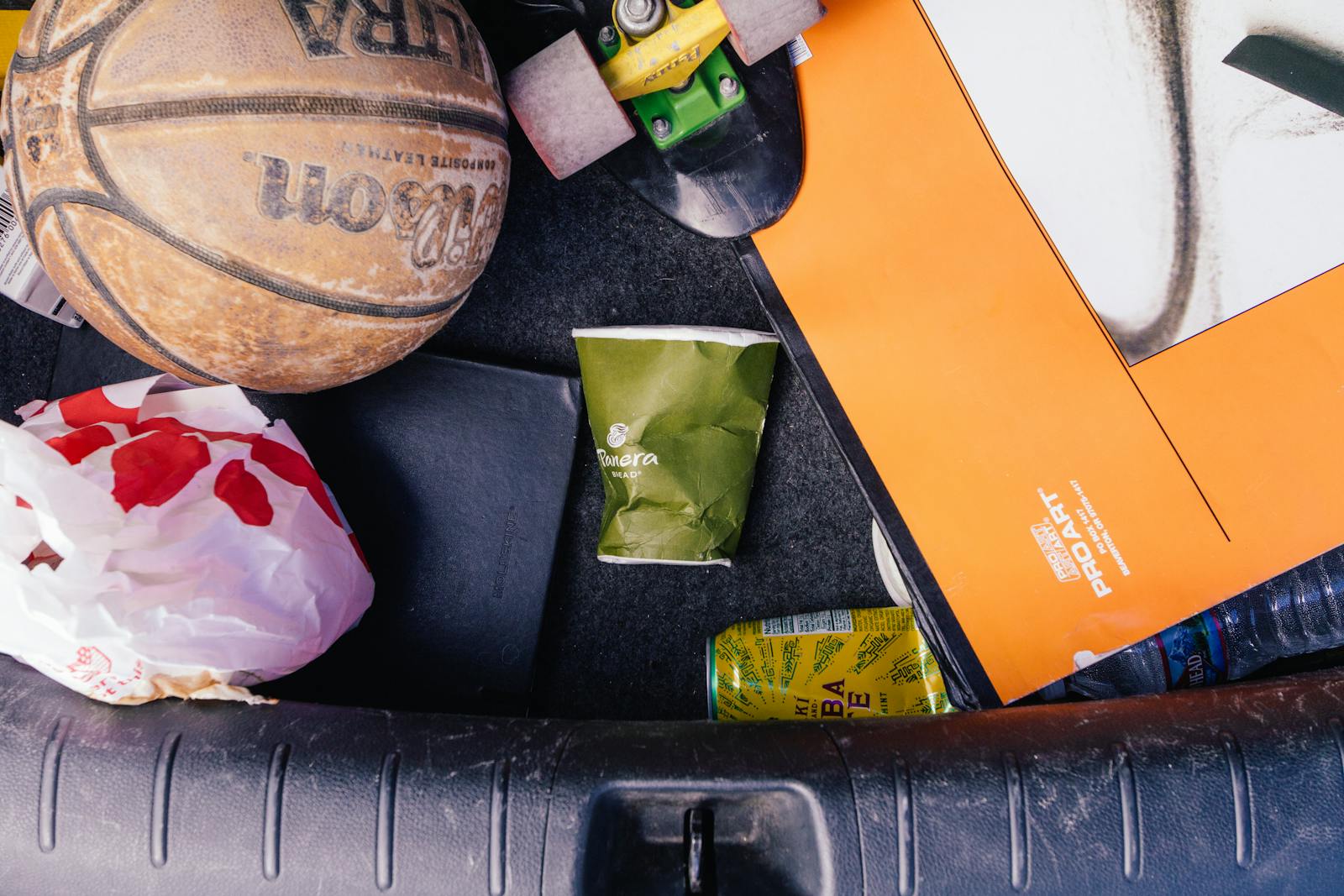
When the car finally came back that night, the owner didn’t even walk out expecting drama. She was tired, she just wanted her keys, and she was already halfway mentally preparing to overlook some minor annoyance. Then she opened the driver’s door and got hit with that unmistakable stale fast-food smell, like the interior had been used as a trash can and then baked in the sun.
The “Just a Few Errands” Version
Her sister had presented the plan like it was nothing: a couple stops, maybe a quick visit to a friend, then straight back. No road trips, no long-distance stuff, no “we decided to go somewhere cute” detours. The owner had even reminded her, casually, that she had work early and didn’t want to wake up to a low tank or mystery mess.
And at first glance, it almost looked fine. The car was in the driveway, the windows were up, the keys were handed over with a breezy “Thanks, you’re the best.” The younger sister acted like she’d returned a priceless artifact in perfect condition, and she seemed genuinely surprised her older sister didn’t immediately match her upbeat energy.
Because once the door opened, it was obvious the car hadn’t been treated like someone else’s. There were crumpled wrappers stuffed between the seat and the center console, a half-full soda cup tipped in the cup holder, and a greasy bag on the passenger-side floor like it had been kicked there and forgotten. It wasn’t catastrophic damage, but it was that specific kind of disrespect that feels personal.
What She Found When She Looked Closer
At first she did the thing people do when they’re trying not to blow up: she quietly started gathering the trash. She pulled out napkins, a straw wrapper, ketchup packets, and a receipt that made her pause because it wasn’t even from nearby. It was from a fast-food place across town, the kind of detail that makes you realize the “few errands” were already stretching.
Then she noticed the gas gauge. Not “a little lower than before,” not “I’ll forgive it,” but needle-hugging-empty low, with that anxious little warning light that basically translates to: if you hit traffic, you’re playing a game. The owner stood there staring at it, replaying the moment she’d handed over the keys and thinking, She really brought it back like this.
And then came the part that turned irritation into a full-on cold anger: the mileage. She wasn’t obsessively tracking it, but she’d taken a photo of the dashboard earlier that week for maintenance records, and she knew roughly where it should be. She did the math twice, then a third time, because the number didn’t make sense.
About 300 extra miles. On a “few errands.” With a tank basically drained. And a car full of fast-food trash like it had hosted a moving picnic.
The Text Exchange That Lit the Match
She didn’t storm back into the house screaming, not immediately. She sent a message, short and controlled, asking where her sister had gone and why the car was returned filthy and nearly out of gas. She expected some version of, “Oh my god, I’m so sorry,” followed by a Venmo transfer and a promise to come clean it.
Instead, her sister responded like she was being accused of a felony for eating fries. She said she “didn’t realize” the trash was that bad and that she “was going to get it later.” On the gas, she claimed she’d been “running behind” and figured the owner could “just fill it tomorrow” since she was “going out anyway.”
But the mileage was the big one, and her sister’s explanation got slippery fast. She said she’d had to drive a friend somewhere, then there was traffic, then they “ended up” going to another town because the friend had “something important.” The details came out like a bad improv scene where the story changes based on what’s challenged.
The owner asked a simple question: why didn’t you tell me you were going that far? Her sister replied with the kind of defensive logic that makes people go quiet before they explode—something along the lines of, “I didn’t think it was a big deal, it’s not like I hurt anything.”
Family Math: Who Owes What and Who’s “Being Dramatic”
The next day, the older sister tried to set a boundary that should’ve been straightforward: she told her sister she wasn’t borrowing the car again. Not next week, not for “just one more thing,” not until trust was rebuilt—and even then, probably not. She also asked for money for gas and cleaning, because she wasn’t interested in subsidizing 300 miles of mystery errands.
That’s when the situation stopped being between two sisters and started pulling in the whole family orbit. Their mom, according to the retelling, didn’t focus on the empty tank or the mileage. She focused on the word “refuses,” as if the real problem was the older sister’s tone, not the younger sister’s behavior.
The younger sister leaned hard on the familiar script: she’d needed help, she’d been stressed, she’d had a lot going on. She framed the trash and gas as “small mistakes” and treated the mileage like an unfair gotcha, like checking an odometer was petty surveillance rather than a reasonable response to a half-empty explanation.
Meanwhile, the owner couldn’t stop thinking about how casual it all was. It wasn’t just that the car came back dirty—anyone can be messy. It was that her sister made a series of choices: to take the long trip without asking, to eat and leave trash, to run the tank down, to return it and act like the favor was complete.
The Second Ask—and the Moment It Got Real
A few days later, her sister asked again. Not with an apology, not with gas money in hand, not with any acknowledgment of the previous disaster. Just another “Hey, can I borrow your car?” like the last incident had been erased by time and audacity.
The older sister said no, firmly. She didn’t soften it with excuses about being busy; she just said she wasn’t comfortable lending it out anymore. Her sister immediately pivoted to outrage—how could she hold a grudge, why was she “punishing” her, didn’t family help family?
And that’s where the argument turned into something deeper than a car. The older sister wasn’t just saying no to the keys; she was saying no to being treated like a resource. She pointed out the 300 miles, the empty tank, the trash, the refusal to reimburse her, and how none of it had been taken seriously.
Her sister’s response wasn’t a clean apology. It was a mix of minimizing and counterattacking: she accused her older sister of being controlling, obsessed with her car, and “acting like she’s better than everyone.” It was the kind of fight where the original issue gets buried under a pile of old resentments that were apparently waiting for a reason to surface.
The older sister ended up cleaning the car herself, because leaving it as-is felt unbearable. But as she vacuumed up fries from under the seat and wiped sticky spots off the console, she couldn’t shake the feeling that the mess wasn’t really the worst part. The worst part was how easy it had been for her sister to take the favor, squeeze it dry, and then get angry when the boundary finally showed up.
Now the car is off-limits, the younger sister is telling the story like she was denied basic human rights, and their mom is stuck in that uncomfortable middle space where she wants peace more than fairness. The older sister’s boundary is simple, but it’s also loud: it forces everyone to admit what happened instead of smoothing it over. And that’s the tension hanging in the air—because the trash can be thrown away, the tank can be refilled, but the entitlement is still sitting there in the front seat, like it never planned on leaving.