

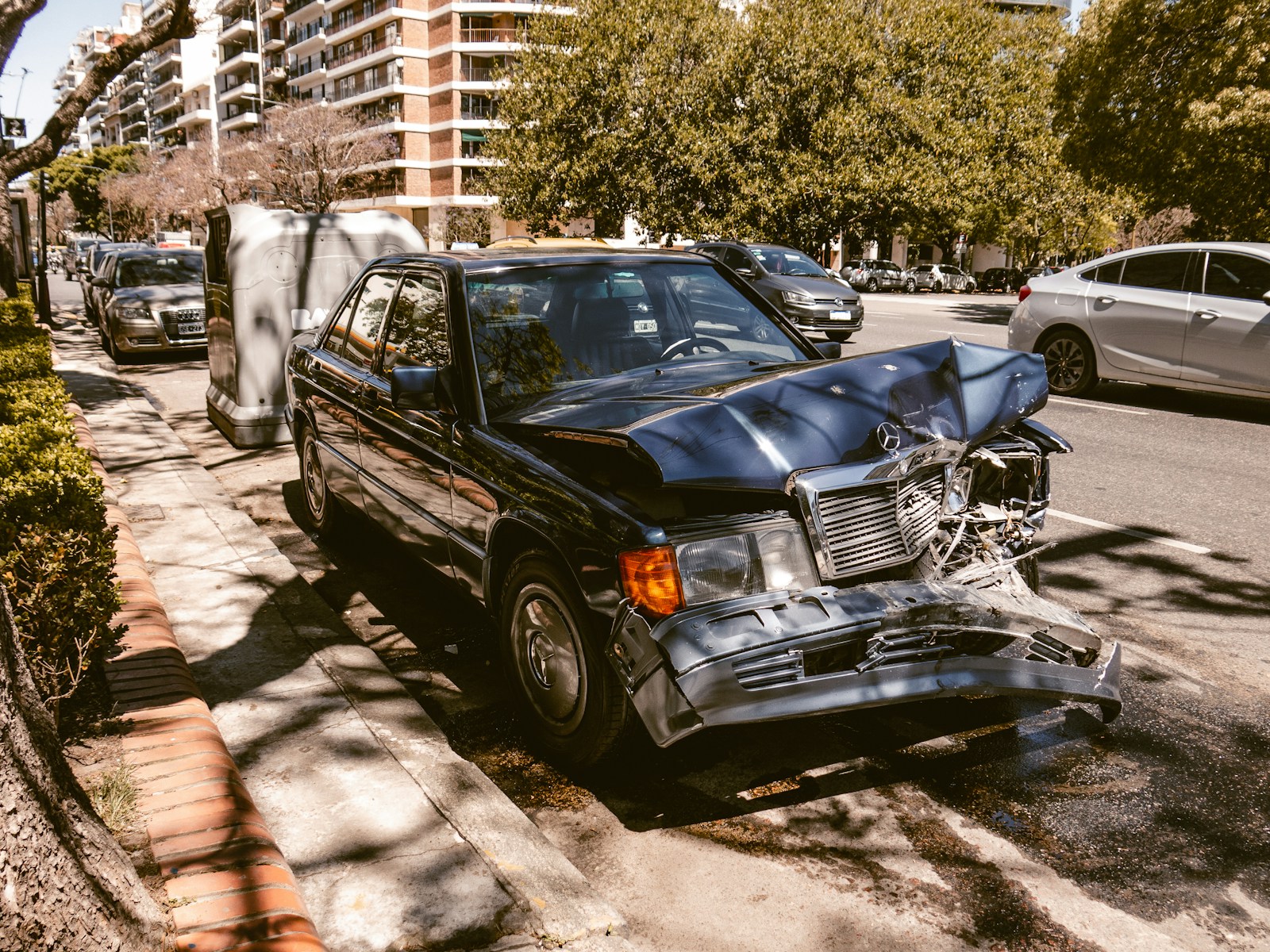
It started the way a lot of family blowups do: with someone trying to be “helpful” and someone else finding out after the fact. Grandma had been napping in her recliner, the TV murmuring in the background, her keys hanging on the little hook by the kitchen doorway like they always did. Her grandson knew exactly where they were, because everyone did, and on that particular afternoon he decided that was basically permission.
He was sixteen, bored, and convinced he was way more capable than the adults in his life gave him credit for. His friends had been texting about meeting up across town, and the usual problem presented itself: nobody wanted to wait for a ride, and he didn’t want to ask his mom because she’d ask questions. So he took the path of least resistance, grabbed Grandma’s car keys, and told himself he’d be back before she even noticed.
Grandma noticed when her phone rang, not even an hour later, with an unfamiliar number and a voice that started with, “Ma’am, are you the owner of a blue sedan?” That’s the moment the story stops being about a teenager sneaking out and turns into a family argument that somehow casts the person whose car got totaled as the villain.
The “quick trip” that wasn’t so quick
The plan, according to the kid later, was simple: drive to the strip mall, pick up two friends, hang out for a bit, and come right back. He’d driven before, just not legally and not with a car that didn’t belong to him. He figured Grandma’s older sedan was “easy,” like it was a video game vehicle with forgiving controls and infinite extra lives.
He made it out of the neighborhood without trouble, which only inflated his confidence. The problem with secret driving is that it turns every normal moment into a performance. He couldn’t exactly drive like a cautious student when his friends were already joking about him “finally” bringing a car.
What happened next got relayed in fragments, the way these things usually do. A light turned yellow, he tried to “make it,” and a car coming through the intersection didn’t slow down. The impact wasn’t a fender bender; it was the kind of crunch that makes bystanders stare and makes your stomach drop even if you’re just hearing about it later.
Everyone walked away, which became the teen’s favorite detail to repeat, like that somehow meant it wasn’t serious. But Grandma’s car didn’t walk away. The front end was mangled, airbags deployed, and the police report wasn’t kind about who was behind the wheel and why he had no business being there.
The phone call that changed the temperature in the room
Grandma’s first reaction wasn’t rage, at least not right away. It was confusion—then a sharp, cold clarity when the officer explained a minor was driving her vehicle without permission. She kept asking where her grandson was, whether he was hurt, whether anyone else was hurt, and when she heard he was physically okay, her voice changed.
Her daughter—his mom—arrived at Grandma’s house like she was already mid-argument with someone invisible. She started with panic and ended with irritation, because it didn’t take long before the question shifted from “Is he okay?” to “How bad is this going to be?” Grandma didn’t ask that question first, but once it was in the air, it stayed there.
At the tow yard, the car looked smaller than it should’ve, like it had been folded in on itself. Grandma stood there quiet, arms crossed, staring at the bent hood and the shattered headlight, while the teen hovered with that stubborn, defensive posture teenagers get when they know they’re wrong but don’t want to feel it. He tried a few soft words—“I’m sorry,” “I didn’t mean,” “It was an accident”—and then, inevitably, “I thought you wouldn’t mind.”
That last line landed like a slap. Grandma didn’t yell; she just looked at him and said, calmly, that he was going to pay her back. Not “we’ll see,” not “maybe,” not “let’s talk later,” but the kind of statement that assumes reality still functions even when people are upset.
The money talk, and the way everyone suddenly had an opinion
Back at the house, the adults tried to do that thing where they debrief while the kid sits on the couch, eyes glued to his phone, pretending he isn’t listening. Grandma wanted to know what the insurance situation looked like, and that’s when the ugly details started showing up. The policy wasn’t designed for an unlicensed teen who took the car without permission, and even if insurance covered something, it wasn’t going to neatly restore what she lost without costs and consequences.
Grandma wasn’t wealthy. She’d had that sedan for years, kept it clean, kept up with maintenance, and relied on it for grocery runs and doctor appointments. It wasn’t a luxury item to her; it was independence, a routine, and a sense of control in a life where she’d already given up plenty.
The teen’s mom immediately shifted into “damage control” mode, but not in the way Grandma hoped. Instead of focusing on Grandma’s loss, she started talking about how her son “didn’t understand,” how he “panicked,” how it “could’ve been worse.” Every sentence was technically true and emotionally useless.
Grandma kept coming back to the same point: he took it, he wrecked it, he needs to make it right. That’s when the mom’s tone sharpened and she started framing Grandma’s expectation like it was cruel. The teen, sensing an opening, leaned into it—suddenly he wasn’t just sorry, he was stressed, overwhelmed, “scared of how much it’ll cost,” and “not sure how he’s supposed to fix this.”
How “accountability” became a dirty word
Once the family heard there was money involved, everyone seemed to appear out of nowhere with a take. An aunt called Grandma and started with sympathy before pivoting into, “But he’s just a kid.” An uncle offered a vague speech about family sticking together, the kind that never seems to include writing an actual check.
Someone suggested Grandma should “just let insurance handle it” like insurance was a magic wand and not a complicated system that punishes people for exactly this sort of thing. Someone else brought up that Grandma “doesn’t even drive that much,” as if the number of miles you put on a car determines whether you deserve to keep owning one. It got weirdly transactional, like her needs were negotiable but his mistake was sacred.
Meanwhile, the teen’s consequences started shrinking in real time. His mom grounded him, sure, but grounding doesn’t buy a replacement car. She talked about making him do chores at Grandma’s house, like raking leaves was the same category as totaling a vehicle.
Grandma listened to all of it with that tight-lipped patience older people get when they realize they’re being gently pushed toward swallowing a loss for the comfort of everyone else. She didn’t want to be the family member who “teaches a lesson” through hardship. She just wanted to not be the only one paying for his decision.
The negotiation no one wanted to call a negotiation
Grandma finally put numbers on it, which is when the emotional fog cleared and the arguments got louder. She wasn’t asking for a fantasy amount; she wanted the deductible covered, help with higher premiums if they spiked, and a plan for either repairs or a replacement vehicle. She also wanted him to get a job, because apologies don’t stretch far when the tow yard and the body shop are involved.
The teen’s mom pushed back hard, saying Grandma was “putting adult responsibilities” on a teenager. Grandma’s response was simple: he made an adult choice when he took the keys and drove. That shut the room up for a second, but not because they agreed—because it was uncomfortable to admit she was right.
Then came the part that really cracked it open: the mom implied Grandma was doing this out of spite. Like the demand for repayment was punishment, not restitution. Grandma stared at her daughter like she didn’t recognize her, and said something that hit everyone wrong in a different way: “If you don’t want him to pay me back, then you can.”
That’s when the mom got defensive, because now it wasn’t theoretical anymore. Suddenly it wasn’t “family should help” in the abstract; it was her own budget, her own bills, her own responsibility for the kid she’d raised. The teen sat there silent, watching the adults fight over who would absorb the cost of his mistake, and you could almost see him learning which kinds of tears get results.
By the end of the night, nothing was actually solved. Grandma had no car, the teen had no plan, and the mom had decided Grandma was being “cold.” The only concrete thing in the whole mess was the wreck sitting in the tow lot, a physical reminder that somebody’s going to pay—either with money, with resentment, or with a family dynamic that doesn’t go back to normal no matter how much everyone pretends it will.