

They weren’t shopping for a status symbol or a “fun” car. They were shopping for something that could swallow backpacks, grocery runs, and the weird assortment of kid-related gear that multiplies overnight. A used Tahoe seemed perfect—big, predictable, built like a tank, third row for when the cousins or teammates needed a ride.
The couple found one that looked like it had lived a normal life: a little wear on the steering wheel, some crumbs in the seat seams, the faint smell of someone else’s air freshener failing to win a long battle. The seller had the casual confidence of a person who’d sold things before, the kind who talks about “maintenance” like it’s a personality trait. The price wasn’t suspiciously low, and nothing about the test drive screamed red flag.
It wasn’t until they started doing the unglamorous stuff—installing booster seats, folding and unfolding the third row, checking cargo space with the same intensity people reserve for home inspections—that the Tahoe started to feel… off. Not “bad transmission” off. More like “why is this part weirdly unfinished?” off.
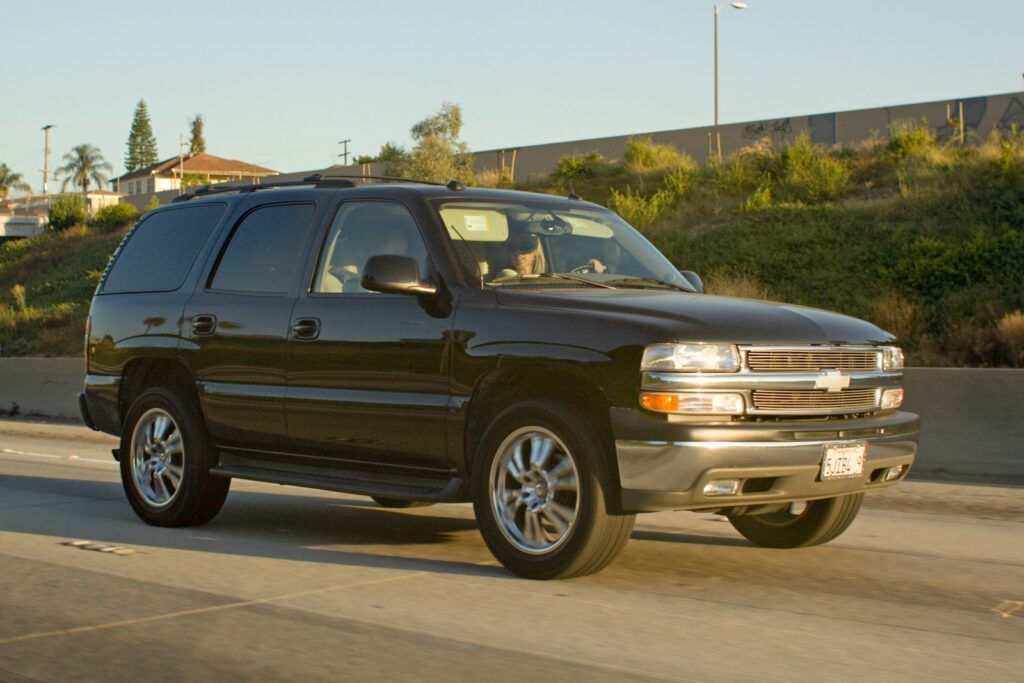
The whole point was the third row
The plan was simple: the kids get the second row, and the third row becomes the flexible zone. Sometimes it’d be empty for sports bags; sometimes it’d hold extra passengers when schedules collided and carpools got messy. The couple had even talked about the seating arrangement like it was a tiny logistical victory—finally, a vehicle where nobody’s knees were jammed into a seatback.
On the first real “family loading” attempt, they did what every parent does with a new-to-them car: climbed around inside it like burglars, checking cup holders, anchors, headrests, and all the little plastic pieces that mysteriously break. The rear looked clean enough, the third row seats folded and latched like they should. But when they went hunting for the third-row seatbelt buckles, their hands kept finding… nothing.
At first it felt like user error. Modern SUVs hide things. Buckles slide into crevices, belts retract into trim panels, latch plates vanish behind cushions. They pulled up the seat corners, ran fingers along seams, pressed into the upholstery where a buckle should pop up. Still nothing—just smooth carpet and that empty feeling you get when an item is missing in a place it absolutely should exist.
“Maybe they’re tucked under something?”
The couple did the reasonable thing before assuming sabotage: they checked the manual and watched a couple of quick videos to confirm what the Tahoe was supposed to look like back there. Same model, same generation, same third row. Every reference had visible belt anchors and buckles, clear as day, right where their hands had been coming up empty.
So they went back outside, opened the hatch again, and started doing a more aggressive search. Floor mats came out first—big, heavy, all-weather ones that had been sitting back there like they belonged. Under the mats, the carpet looked a little rippled, like it had been pressed down too hard in a few places.
When they peeled the mat back farther and lifted a corner of the carpet, the mystery stopped being a mystery. There were seatbelts. Not neatly stowed, not tucked the way manufacturers hide belts. They were shoved down and pinned under the flooring like someone was trying to hide evidence in the most low-effort way possible.
The belts weren’t just “hard to find.” They had been removed from where they should’ve been routed, partially disassembled, and stuffed. A couple of pieces were tangled, and at least one buckle looked like it had been detached and then reattached wrong, the way it looks when someone watches half a tutorial and decides they’ve got it. It wasn’t a small “oops”—it was deliberate, physical work.
The seller’s explanation started changing in real time
They called the seller almost immediately, partly because they were angry and partly because they still hoped there was some mundane explanation. Sometimes vehicles get modified for cargo. Sometimes a previous owner did something weird and the current seller didn’t notice. If the seller reacted with surprise and a desire to make it right, maybe this could be handled without turning into a whole saga.
But the conversation went sideways fast. The seller didn’t respond with confusion; he responded with a pause, then a quick “Oh yeah, those” like he’d been waiting for someone to ask. He claimed the third row “wasn’t really used” and that the belts “got in the way,” which is an explanation that makes zero sense unless you think seatbelts are optional interior decor.
When the couple pushed—because they were buying the Tahoe specifically to put kids back there—the seller shifted to the next line: he said the belts were “still in the car,” so what was the problem. That’s when the couple told him they weren’t “in the car” in a usable way; they were hidden under mats and carpet, partially removed. They asked point-blank whether the vehicle had been in a crash or failed an inspection or had some issue that made the third row unsafe.
The seller didn’t answer the question cleanly. He talked around it, said he “didn’t know anything about that,” and then got defensive about how it was “sold as-is.” The more the couple described what they were seeing—disconnected anchors, belts not routed, buckles buried—the more the seller’s tone moved from casual to irritated, like he was being accused of something he’d rather not think too hard about.
It stopped being about missing belts and started being about trust
That night, the couple did what people do when they realize their big purchase might have a hidden history. They ran the VIN through the usual checks, dug through the glovebox paperwork, and searched for any old service receipts tucked in odd places. They found a few normal oil-change notes and one vaguely worded maintenance slip that didn’t mention the back seats at all.
Then they called a local shop the next day and asked for a safety inspection with a specific focus: third row restraint system. The mechanic didn’t have to “dig” long. Once the mats and carpeting were lifted, the story became obvious to anyone who’d ever worked on interior hardware: the belts had been intentionally taken out of their proper mounts, and the way they were stuffed suggested someone wanted the third row to look beltless at a glance.
The mechanic also pointed out something the couple hadn’t even considered yet: even if all the pieces were technically present, you can’t assume they’ll restrain anyone properly if they’ve been tampered with. Bolts have torque specs. Anchors are designed to sit in specific locations, with specific angles. A belt that’s routed wrong or anchored to the wrong point might still click into a buckle and feel “fine” until it’s actually needed.
That’s where the couple’s frustration turned into a very specific kind of fear. They kept replaying the earlier moments—imagining if they’d thrown a kid back there for a quick trip without checking. It wasn’t just that the seller had made the Tahoe less convenient; he’d potentially turned a family vehicle into a hazard and then tried to hide it with floor mats like that made it less real.
The confrontation turned into a paperwork war
They reached out again, this time with the mechanic’s notes and the cost estimate to restore the belts properly. They asked for a partial refund to cover the repair, or a full unwind of the sale if the seller wanted the Tahoe back. The request wasn’t dramatic; it was practical, the kind of thing that happens all the time when someone sells a car with an undisclosed problem.
The seller refused. He leaned hard on “as-is,” and he started framing it like the couple was trying to squeeze him after the fact. He claimed the Tahoe was “fine” and that the belts were “right there,” as if having loose seatbelt parts under the floor was the same thing as having a safe third row. When the couple mentioned that concealing safety equipment could be seen as intentional misrepresentation, the seller suddenly got very uninterested in continuing the conversation.
At that point, the couple started collecting everything: photos of the belts under the mats, close-ups of the anchors, screenshots of the original listing where the Tahoe was described as a family-friendly vehicle with seating for everyone. They looked up what their state considers “safety equipment disclosure” and whether private-party sellers have any obligations about known defects. It wasn’t about revenge; it was about not eating the cost of fixing something that felt blatantly, weirdly hidden.
But the messy part is that private used-car sales live in the gray areas. If you buy from a dealership, there are clearer levers to pull. With a random person, you can end up in that infuriating spot where something feels obviously wrong but proving intent is its own job. The couple wasn’t just dealing with a mechanical issue—they were trying to pin down whether this was negligence, a shady shortcut, or an attempt to cover up damage history.
They still had the Tahoe sitting in their driveway, still needed a vehicle, and still couldn’t comfortably use the very seats that justified buying it. And every time they walked past the open hatch and saw those thick floor mats now folded back like a curtain, the same thought kept landing: someone didn’t just forget those seatbelts. Someone made a choice, and the only reason the couple found out was because they cared enough to check before putting kids back there.
More from Steel Horse Rides: