

He’d always been the “sure, take my car” boyfriend. Not in a doormat way—more like he liked being useful, and it genuinely made her life easier. Her commute was a mess, her job’s start time was early, and his schedule meant his car mostly sat in the driveway during the day anyway.
So when she asked if she could use it for work “just this week,” he tossed her the keys without thinking twice. She kissed him, promised to fill the tank, and joked about how she’d treat the car “like a princess.” He didn’t even blink, because why would he? People in normal relationships borrow each other’s stuff.
The first few days were exactly that—normal. She’d come home tired, drop her bag by the door, tell him about some annoying customer or a coworker who talked too much. He’d ask if the car drove fine, and she’d say yes, then change the subject like it was the least interesting part of her day.
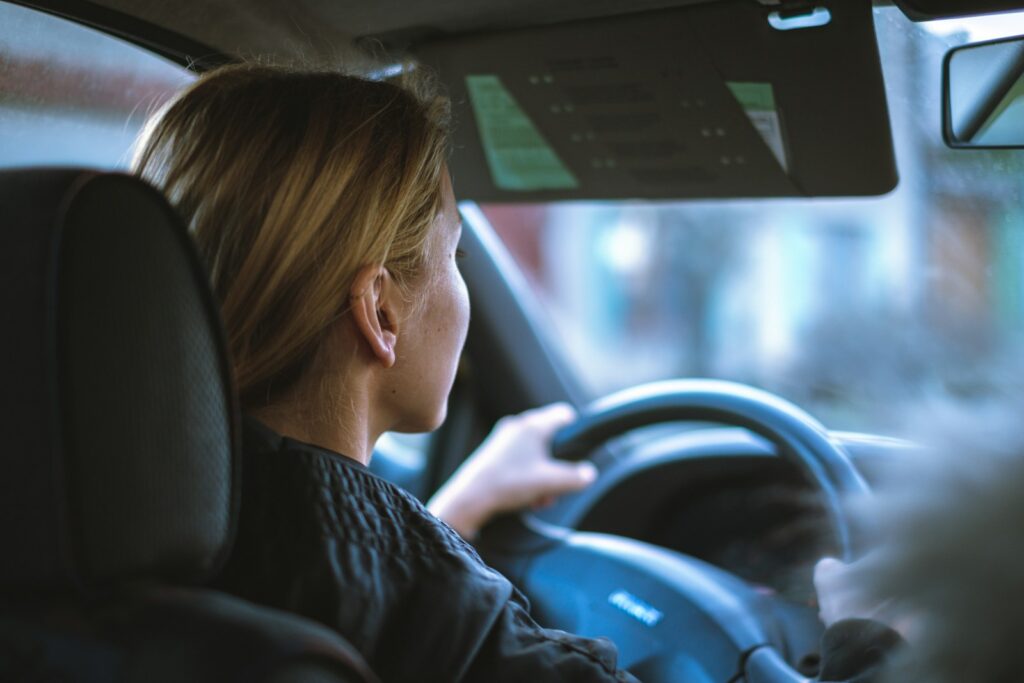
“Why Is My Car Saying Some Random Name?”
The first crack showed up as a tiny, stupid detail: the Bluetooth. He hopped in one afternoon to run an errand and the screen lit up with a prompt he’d never seen before, something like “Connect to: Jayden’s iPhone.” Not his name, not her name—some third person he definitely hadn’t added.
At first he tried to rationalize it the way people do when they don’t want to be paranoid. Maybe it was her coworker who needed GPS on a lunch run. Maybe it was a rideshare passenger from months ago and the car was just remembering it now. But the car wasn’t asking to reconnect to an old device; it was offering it like a newly saved favorite.
He did the thing everyone pretends they wouldn’t do but almost everyone would: he clicked into the Bluetooth device list. There it was, sitting under his and her phone, a clean entry with a full name and a little icon showing it had been used recently. It wasn’t a ghost from the past—it was fresh.
The Call Log That Should’ve Been Empty
He could’ve stopped at Bluetooth and confronted her right away. If he’d done that, it would’ve been a simple argument about boundaries, maybe some awkward explanation about a coworker. But the car had one of those infotainment setups that keeps a call history, and the tab was right there, practically begging to be tapped.
He told himself he was only checking because, honestly, he wanted to prove himself wrong. The kind of wrong where you exhale and feel a little stupid and promise yourself you’ll stop spiraling. He hit the call log expecting to see nothing interesting, maybe a couple of calls to her mom or the office.
Instead, the screen was stacked with the same number over and over, the name matching the newly added phone. Short calls during the morning commute, longer ones on the drive home, a late-night call from the previous evening that had no business happening if she’d “passed out early” like she said. It wasn’t one accidental connection; it was a pattern.
And then came the part that turned his stomach: one entry marked as “Missed,” time-stamped during a window when she’d texted him she was “stuck in traffic.” Which would’ve been believable if the road noise wasn’t always her favorite complaint and if the story didn’t now have a soundtrack.
He Waits, She Walks In Acting Normal
He didn’t call her immediately. He didn’t go full detective either, digging through contacts and messages on the car system like he was trying to build a court case. He just sat there in the driveway a few extra minutes, staring at the screen, feeling that hot-and-cold mix of humiliation and anger that makes you clench your jaw so hard your face hurts.
When she got home, she acted like nothing had happened. Tossed her keys onto the hook, asked if he wanted to order food, complained about her feet hurting. She even did this small affectionate thing—leaned into him for a second and sighed like home was the safe place.
He waited until the easy part of the evening had passed, until it wasn’t just him pouncing at the door. Then he said, casually at first, “Hey, who’s Jayden?” He kept his voice flat, because he knew if he sounded accusatory, she’d pivot into offense and he’d lose the thread.
Her face did something quick—almost too fast to describe. Not shock, not confusion, more like the mental flick of a file drawer slamming shut. “What are you talking about?” she asked, and when he nodded toward the driveway and said, “My car,” she gave a little laugh that didn’t reach her eyes.
The Explanation That Didn’t Match the Evidence
She tried the coworker angle first. “It’s just this guy from work,” she said, like that should end the conversation. She claimed her phone died one day and he connected his so she could use maps, and she “forgot” it stayed in the system.
He didn’t even have to argue in circles. He just asked, “So why is he in the call log every day?” The question landed with a dull thud, and he could see her mind reaching for a new story in real time, the way someone stalls when they realize the first lie didn’t cover the whole room.
Then came the defensiveness. She said he was “invading her privacy” and “looking for reasons to be mad,” which was a wild pivot considering the privacy violation here was occurring in his own car. She insisted the calls were harmless, that it was “just talking,” and that he was making it something it wasn’t.
He asked her to look him in the eye and tell him whether she was dating someone else. Not “talking,” not “friends,” not “work stuff”—dating. She stared at the floor for a second too long, then said, “It’s not like that,” which is the kind of non-answer that answers anyway.
The Moment It Becomes About the Car, Not Just the Cheating
Up to that point, the argument had been about betrayal and lying. Then he said something that made the whole situation uglier in a different way: “So you brought him into my car.” Not physically, necessarily, but into his space, his routines, his small daily comfort of knowing what belonged to who.
That’s when she got angry-angry. She snapped that it was “just a car” and that he was being controlling. He pointed out that she hadn’t just borrowed the car—she’d used it like it was hers, synced someone else’s phone, carried on hours of calls, and then came home and pretended they were still operating as a team.
She started listing everything she’d done for him, all the ways she’d been a good girlfriend, like she was trying to buy her way out of the moment. He didn’t take the bait. He kept circling back to the same simple line: if it was innocent, why hide it? If it was harmless, why “forget” to mention it?
At some point she said, quietly, that she “didn’t mean for it to happen.” Not “it didn’t happen”—just that it wasn’t supposed to unfold this way. Which, in its own weird honesty, was maybe the most damning thing she said all night.
Keys on the Counter and a House Full of Silence
By the end of the conversation, there wasn’t a tidy resolution. There was no cinematic confession, no clean breakup line that made everyone feel strong and empowered. There was just the heaviness of realizing he’d been generous and she’d used that generosity as a hiding place.
He told her she wasn’t using the car anymore, starting immediately. He didn’t yell; he didn’t threaten; he just said it as a fact, the same way you’d say the stove is hot. She rolled her eyes like it was petty, but she put the keys on the counter with a little too much force, like she wanted them to make a point.
Later, while she took a shower, he went outside and deleted the extra phone from the Bluetooth list. It should’ve felt satisfying—cleaning up the mess, reclaiming something that was his. Instead it felt weirdly intimate, like he was erasing evidence from a crime scene he’d never wanted to visit in the first place.
What stuck with him wasn’t even the name on the screen anymore. It was the ease of it: how naturally she’d come home and slipped into their usual routine after spending her drives building a second relationship through his speakers. Even after the keys changed hands and the Bluetooth got wiped, the awkward part stayed—because the car was just the device that exposed it, and the real question still sat between them in the quiet: how long had she been living like this, and how long did she think he’d keep handing her the keys?
More from Steel Horse Rides: