

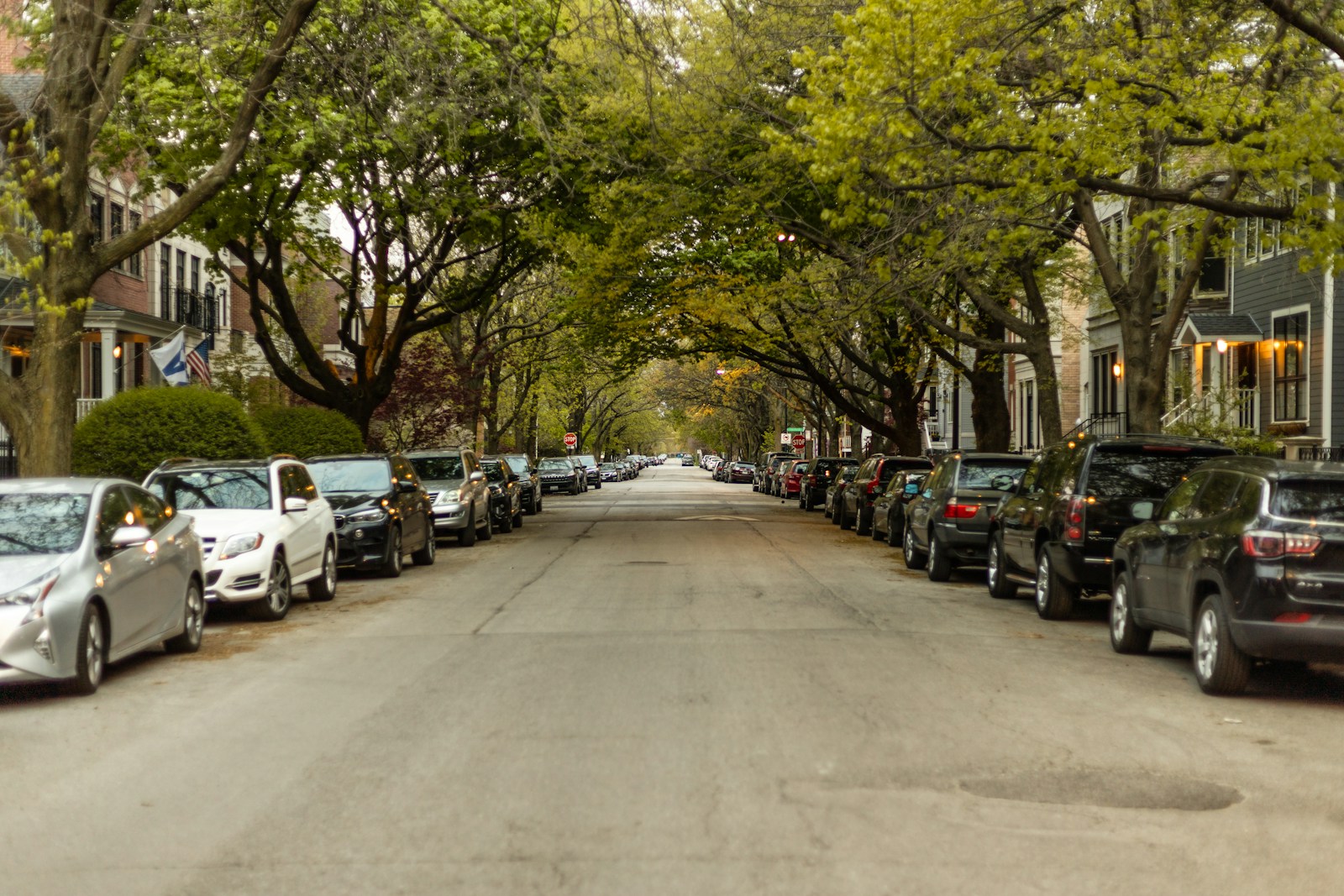
It started the way a lot of neighborhood wars start: with a parked car and a person who decided that the street, somehow, belonged to them. The woman had been leaving her sedan along the curb in front of her place, the exact same spot she’d used since she moved in. It wasn’t blocking a driveway, it wasn’t in front of a fire hydrant, and it wasn’t doing anything more offensive than existing in public.
Her neighbor, though, had a different relationship with that patch of asphalt. He was the kind of guy who treated curb space like reserved seating, even though nothing on the street said it was. And for weeks, he’d been letting her know—through little comments, through pointed looks, through the sort of “friendly” conversations that somehow always feel like a warning—that her car was “ruining the street.”
At first she brushed it off as standard busybody behavior, the kind you can ignore if you don’t give it oxygen. But the neighbor wasn’t just complaining into the void. He was watching, keeping track, and working himself into a story where her parked car wasn’t just annoying—it was an insult.
The Complaints Start Small, Then Get Weirdly Personal
The neighbor’s first line was aesthetics, because that’s a classic. He told her it looked “trashy” to have a car parked out front all the time, like it made the neighborhood seem crowded. He said it while standing on his own porch, arms crossed, staring at her bumper like it had committed a crime.
She reminded him, calmly, that it was street parking and she lived there. He pivoted to the next argument: property values, sightlines, “what if an ambulance needs to get through,” all the greatest hits. None of it made sense because the street was wide enough for two cars and then some, and emergency vehicles had been passing through just fine for years.
Then he started dropping the “polite threat” kind of hints. Stuff like, “Some people might do something about it if you keep leaving it there,” delivered with this fake-concerned tone. It wasn’t a direct threat, but it landed in that uncomfortable space where you can’t quite call it out without sounding paranoid.
He Tries to Assert Ownership Over the Curb
After a few more run-ins, it became obvious what he actually wanted: that curb space for himself. He had a driveway, but he liked parking one of his vehicles on the street anyway—right in front of his house—because it made coming and going easier. In his head, the curb in front of his place was his, and the curb in front of hers was apparently also his, because he didn’t like looking at her car.
The woman tried the easiest solution first: she moved her car a little down the street for a few days, just to see if he’d calm down. He didn’t. He still commented on it, now acting like he’d “won” something and she’d finally learned how things worked around there.
That’s what made her put it right back. Not out of spite, exactly—more like refusing to train the neighborhood hall monitor that whining gets results. She parked legally, locked up, and went inside, trying to pretend she wasn’t bracing for the next porch lecture.
The neighbor’s reaction was immediate. He caught her one evening while she was bringing groceries in and said, “You’re really going to keep doing this?” like she’d been asked politely and had chosen violence. When she told him, again, that she was allowed to park there, he muttered something about “people like you” and walked off.
The First Damage Shows Up, and It’s Not Subtle
A couple mornings later, she noticed it: a fresh, pale scratch along the driver-side door, long enough to be intentional. It wasn’t the kind of scuff you get from brushing past a hedge or a shopping cart tapping the paint. It looked like someone had dragged something sharp and steady, taking their time.
She stood there on the sidewalk staring at it, doing that mental inventory people do when they don’t want to jump to conclusions. Could it have been a bike handlebar? A passing dog leash clip? Someone squeezing between cars? But the line was too clean, too deliberate.
And the timing was suspicious in the way that makes your stomach drop. This wasn’t a random street-parking mishap. This felt like the physical version of his porch comments, like the complaints had finally stepped off his tongue and into his hands.
She didn’t confront him right away, because she didn’t have proof. Instead, she did what people do now when they sense a situation turning: she checked her security setup. She already had a doorbell camera, mostly for packages, but it also had a decent view of the street and her car if you knew where to look.
The Doorbell Camera Turns a Gut Feeling Into Evidence
That night she adjusted the angle as much as she could without making it obvious. The camera couldn’t see the entire length of the car clearly, but it caught the area near the front half and the sidewalk leading past it. If someone approached from his direction, it would at least pick up movement and timing.
She also did the boring, practical stuff: took photos of the scratch, noted the date, and called her insurance to ask what kind of documentation they’d need if it happened again. She wasn’t trying to start a legal crusade. She just wanted her car to stop being a target.
For a few days, nothing happened, which almost made it worse. The neighbor went back to passive aggression, smiling too wide when he saw her, or making a show of looking at the car and shaking his head. It was like he wanted her to know he could do something but was choosing not to—for now.
Then, early one evening, she got a phone notification that the doorbell camera had detected motion. It was the kind of alert you usually ignore because it’s a squirrel or a delivery driver. This time, though, it was him.
He came into frame at a normal walking pace, hands down at his sides, like he was just heading out on a stroll. But as he passed the car, his posture changed—shoulders tightening, head turning slightly as if checking the distance to her front door. His arm moved close to the paint in a way that didn’t match casual walking.
It’s hard to describe how obvious someone looks when they think nobody’s watching. He didn’t kneel dramatically or pull out a tool and hold it up for the camera. He just did the sneaky thing: kept moving while his hand dragged along the side of the car, the motion quick but controlled, like he’d practiced doing it without stopping.
The next morning, there was a new scratch, close to where the camera’s view was strongest. That was the moment her suspicion stopped being a private fear and became something solid enough to show another person without feeling ridiculous.
The Confrontation Isn’t Clean, and the Fallout Lingers
She didn’t run outside screaming or post a sign in the yard. She did something colder: she saved the video, backed it up, and went about her day like she wasn’t holding a match. When she saw him later, she asked if they could talk, in the same calm voice she’d used when he first started complaining about the street being “ruined.”
He tried to keep it light at first, like this was just another chance to lecture her about neighborhood standards. She let him talk for a minute, then said she’d noticed new damage and had reviewed her camera footage. The change in his face was immediate—the kind of micro-panic people get when they realize the story in their head isn’t the only story that exists.
He denied it, reflexively, like denial could outrun a recording. He said maybe the video “looked” like him, maybe it was the angle, maybe she was “accusing” him because she didn’t like him. The more he talked, the more he sounded like someone building a narrative in real time, hoping confidence would substitute for facts.
When she told him she had the clip saved and would be filing a report, he snapped into anger. Suddenly it wasn’t about the street anymore—it was about her “threatening” him, about her “trying to ruin his life,” about how she should’ve just parked somewhere else and none of this would’ve happened. It was the kind of logic that makes your skin crawl, because it frames vandalism as a consequence you earn for being inconvenient.
She didn’t argue. She walked away, contacted the non-emergency line, and filed the report with the video attached, plus timestamps and photos of both scratches. Whether anything would come from it was another question—property damage cases don’t always get the fast, satisfying resolution people want—but she had what most people never get: clear evidence tied to a person who’d already been making verbal threats in disguise.
The neighbor didn’t suddenly become quiet, either. In the days after, he avoided her at first, then started acting like the victim, telling other neighbors she was “overreacting” and “spying” on the street. The street itself didn’t change—cars still parked where they always had—but the atmosphere did, like the curb had become a stage and everyone was aware they were standing too close to the edge of someone else’s temper.
And that’s where it sat: a woman with a scratched door and a saved video, and a neighbor who’d spent weeks insisting a parked car was “ruining the street,” only to be caught doing something that actually did. The unsettling part wasn’t just the damage; it was how comfortable he’d been escalating from complaints to cruelty, as if the street were his and accountability was optional—as if the only reason he’d stopped was because a small camera on a front door finally gave the asphalt a memory.