

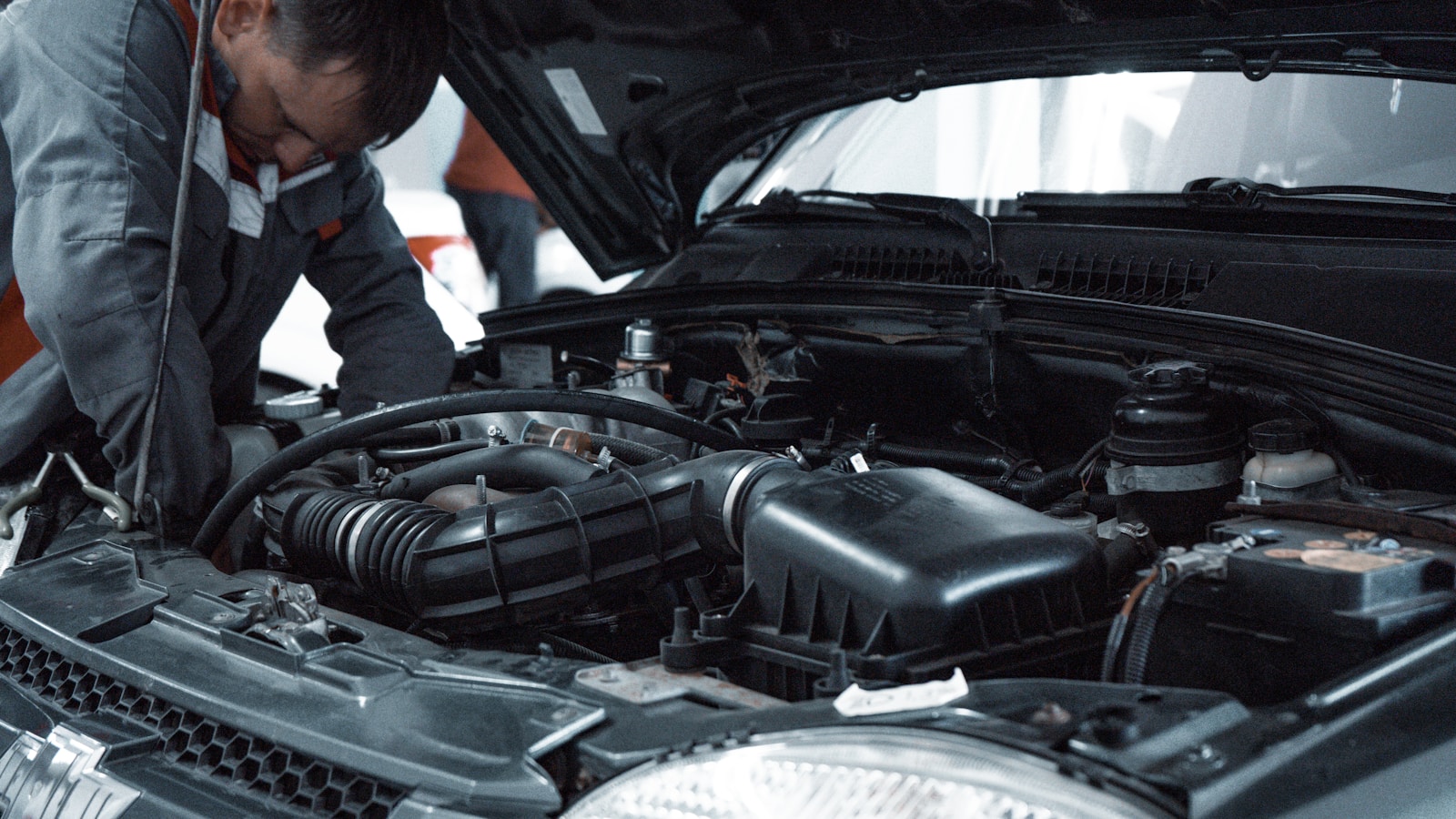
It started the way a lot of car regret stories start: with a “new-to-them” purchase that felt like a win for about three days. The owner had been proud of it, too—clean interior, decent miles, the kind of trim package dealers love to describe as “rare” even when it’s sitting on every other lot. Then, one cold morning, the engine made a sound that didn’t belong in anything sold as reliable.
Not a cute little lifter tick. Not “old car noises.” This was a deep, hollow knocking that rose and fell with the revs, like someone tapping a hammer against a steel beam under the hood. The owner did the normal denial routine—radio up, window down, maybe it’ll go away when it warms up—until the sound followed them all the way to the grocery store and back.
By lunchtime they were standing in the service drive of the same dealership that had just sold them the car, trying to explain the noise without sounding dramatic. They didn’t have to try that hard. The advisor heard it from ten feet away and still went straight into that calm, practiced smile, the one that says, “We’re going to make you feel silly for being worried.”
The dealership’s version of “normal”
The dealer kept the car for the afternoon, then called with an update that somehow felt like a brush-off even before the words landed. The knock, they said, was “normal for that model,” especially when cold. The advisor delivered it like a fun fact, like they were letting the owner in on a quirky personality trait.
When the owner pushed back—because “normal” isn’t supposed to sound like a drumline in your oil pan—the advisor pivoted to the usual explanations. “These engines are just loud.” “Direct injection makes them clattery.” “They all do that.” The owner asked if they’d checked oil pressure, pulled any codes, or at least listened with a stethoscope, and the advisor answered in vague, confident phrases that sounded like a yes without actually being one.
They offered a courtesy “inspection” printout with green check marks and one note about a minor exhaust heat shield rattle, which felt almost insulting. It was the automotive equivalent of being told your broken arm is just “sleeping funny.” The owner drove home with that knock echoing through the firewall, now with a new layer of anxiety: if this is “normal,” why does it sound like it’s trying to climb out of the block?
The second opinion that changed the mood instantly
The owner didn’t sleep much that night. The next morning they did what everyone says to do but plenty of people don’t: they got a second opinion from an independent shop, not a chain, not a quick-lube place, but a small local mechanic with a crowded lot and an office that smelled like coffee and brake cleaner.
The mechanic didn’t even make it through the friendly small talk. He turned the key, listened for about five seconds, and his face did that quick shift from neutral to concerned—the kind of expression you don’t want to see from someone holding a flashlight and wearing nitrile gloves. He walked around, listened again from the wheel well, then told the owner to shut it off.
There wasn’t a long dramatic pause. No “let’s see what we find.” He said, basically, “That’s rod knock. Don’t drive it. You need a motor.” He described it like he’d heard the same sound a hundred times, and every time it ended the same way: catastrophic failure if someone kept pretending.
The owner asked if it could be something smaller—timing components, a pulley, maybe a cracked flexplate—anything that didn’t end with an engine swap. The mechanic shook his head and explained the difference in noises, where it was coming from, how it followed load, how it didn’t behave like a top-end tick. Then he said the phrase that really got under the owner’s skin: “Whoever told you this is normal is either lying or they don’t know what they’re doing.”
Back to the dealer, but now it’s personal
Armed with that diagnosis, the owner called the dealership again, trying to keep their voice level. They didn’t lead with threats; they led with facts: another shop says it’s rod knock, and they’re saying the car needs a motor immediately. There was a pause on the phone, the kind that happens when someone realizes the script they usually use might not work.
The service advisor’s tone changed into something more defensive. Suddenly it wasn’t “normal,” it was “well, it depends,” and “we can take another look,” and “third-party shops exaggerate.” The owner asked a simple question: if it’s normal, why not put that in writing? Put “engine knock is normal operation” on the repair order and sign it. The advisor didn’t answer that part directly.
They told the owner to bring it in, but the owner was already spooked about driving it. So they arranged a tow, which is the kind of detail that makes the whole situation feel grim—nobody tows a car that’s “fine.” When the tow truck dropped it off, the owner showed up with the independent shop’s notes and a phone full of videos of the noise, in case the dealership tried to claim they couldn’t replicate it.
In the waiting area, the owner watched the service desk like it was a poker table. The advisor glanced at the paperwork, looked at the owner, then disappeared into the back. Every time a tech walked by, the owner tried to read their face, searching for any sign that someone was about to say, “Yep, that’s bad.”
“We don’t hear anything abnormal” meets “it’s about to grenade”
The dealership came back with a familiar refrain: they couldn’t confirm a serious issue. They acknowledged a “noise,” but framed it as characteristic. They suggested it might be “injector noise” or “valvetrain,” and offered to do an oil change and “monitor it.” The owner stared at them like they’d just offered a Band-Aid for a leaking roof.
At this point, the owner stopped playing nice. They asked what tests were done, what measurements were taken, and why the dealership was so comfortable calling a heavy knock “normal” when another professional said it was imminent failure. The advisor tried to move the conversation away from specifics and toward policy: warranties, diagnostic fees, approval processes, and how “engines are complex.”
The owner asked to speak to the service manager. The manager came out with that forced calm you can feel in your teeth, the kind that’s meant to make you lower your voice so you look like the unreasonable one. He repeated the model-line talking points, then pivoted to the real message: if the owner wanted a teardown diagnosis, they’d have to authorize labor, and if the problem wasn’t found, they’d be on the hook.
Which is how the owner ended up in the weird position of being asked to gamble money to prove a problem everyone could hear. The knock wasn’t subtle. It was the type of sound that makes pedestrians glance over as you pass, like they’re trying to figure out which part is about to fall off. The owner asked the manager, again, if they’d put “normal operation” in writing, and again, the answer came out sideways.
The paper trail, the warranty dance, and the question nobody wanted to answer
Instead of agreeing to a teardown at the dealer’s pace, the owner started talking about the sales side. The car had been purchased recently enough that the “how could you not notice this?” question hovered in the air. If the noise had been present before the sale, someone had either ignored it or disguised it, and neither option was a good look.
The dealer responded the way businesses do when the conversation starts drifting toward accountability. They asked for time. They said they’d “escalate it” internally. They offered to keep the car overnight for a cold start because, conveniently, it sounded worse when it was cold and the owner wasn’t there to hear exactly what the tech heard.
The owner agreed, mostly because they didn’t want to drive it anyway. But they also started building a paper trail: emails instead of calls, service write-ups, exact wording, dates, and mileage. The most frustrating part was how slippery the dealer’s language stayed—always just vague enough that it could be spun later as “we never said that,” even though the entire interaction had been built on “don’t worry about it.”
Meanwhile, the independent mechanic’s advice stayed brutally simple: don’t run it. Don’t start it. Don’t “see if it gets better.” A rod bearing doesn’t heal because someone at a counter says it’s fine, and the owner knew that if the engine let go, the story would instantly shift from “dealer sold me a bad car” to “you drove it after noticing a noise.”
By the time the dealer called again, the owner’s trust was gone. They’d heard “normal” once, then watched it morph into “we can’t verify,” then into “authorize more labor,” and none of it sounded like someone eager to stand behind what they sold. The dealership hinted they might be willing to “work with” the owner depending on what they found, which is the kind of phrase that means everything and nothing at the same time.
The last update wasn’t a neat resolution. The owner still had a car sitting in limbo, a dealer trying to keep the problem undefined, and a mechanic’s voice in their head saying, “It needs a motor.” What made it sting wasn’t just the potential cost—it was the way the whole thing turned into a tug-of-war over reality, where an obvious knock became “normal” as long as admitting the truth would force someone to pay for it.