

It started out like one of those harmless, normal relationship favors: her boyfriend’s car was in the shop, he had a week of commuting ahead of him, and she had a reliable little sedan that mostly sat in the driveway during her work-from-home days. He asked if he could borrow it “just for one week,” promised he’d keep it clean, and even did that charming thing where he acted like he was inconveniencing her less than he actually was.
She hesitated for about a minute, mostly because she liked her routines and her car was one of the few spaces that felt purely hers. But he was her boyfriend, not some random friend, and she didn’t want to be the person who wouldn’t help when it was easy to help. She handed over the keys, showed him where the insurance card was, reminded him not to let the gas get too low, and told him the garage pass stayed clipped to the visor because her building was weird about replacements.
The first couple days were fine, which is the dangerous part of these stories, because the real problem doesn’t announce itself with fireworks. It creeps in like a faint smell you don’t notice until you’re already annoyed. She’d get little updates—“All good, thanks again,” “Traffic was brutal,” “I’ll fill it up Friday”—and she’d shrug and keep working, assuming he was just using the car the way you use someone else’s car: carefully, temporarily, with a little extra mindfulness.
The first sign wasn’t the seat—it was the Bluetooth
When she finally needed the car midweek, it was for something small: grabbing groceries, running to a doctor’s appointment, the usual. She opened the door and immediately felt that subtle disorientation like walking into your own kitchen and finding the chairs rearranged. The seat was pushed way back, the mirrors were angled wrong, and her steering wheel felt like it had been moved an inch lower.
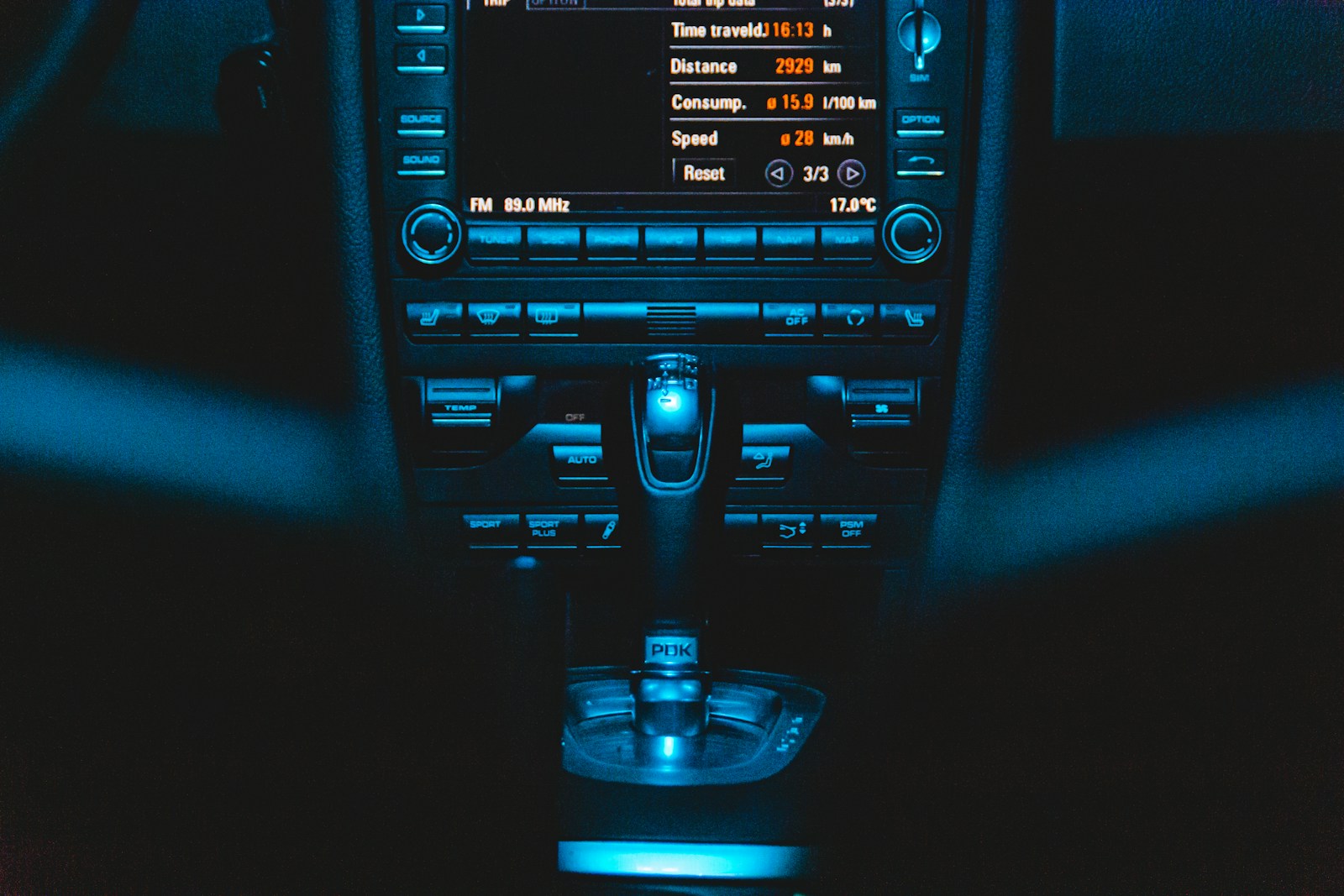
None of that was a crime on its own. People adjust seats, that’s what they’re for, and she told herself she was being uptight as she scooted everything back into place. Then her phone connected to the car and the display lit up with the Bluetooth name he’d changed—something like “JASON’S RIDE” with a stupid emoji vibe, the kind of label you’d give your own car when you’re playing around with settings.
She sat there for a second, hand on the gearshift, doing that quiet math people do when they’re trying not to be dramatic. Changing a Bluetooth name isn’t necessary to drive the car. It isn’t even particularly useful. It’s a personalization move, the kind you make when you’re settling in.
She texted him casually, because she didn’t want to start a fight over a screen name. Just: “Hey, did you change the car’s Bluetooth name?” His response came back breezy: “Yeah lol it was confusing on my phone. I’ll change it back later.”
He started treating “one week” like a move-in date
By Friday, “later” still hadn’t happened. She got into her own car and found his gym towel stuffed between the passenger seat and console like it lived there. The cupholder had a sticky ring from some iced coffee he’d clearly carried like it was his daily setup, and the radio presets had been replaced with his stations—sports talk, some throwback rock, a weird local news frequency.
She told herself not to nitpick, but the irritation wasn’t about the mess. It was the ease of it, the way he’d made himself comfortable without even doing the token courtesy of resetting things when he was done. Borrowing implies returning the thing in the same condition, or at least attempting to.
When she mentioned the seat and mirrors, he laughed like she was describing a quirky habit, not a boundary. “Babe, I can’t drive like a T-Rex,” he said, because he was taller than her and that joke had always been their cute little dynamic. Except this time, it landed differently, because she wasn’t asking him not to adjust it—she was asking him to put it back.
He did that thing some people do where they agree in principle and ignore it in practice. “Yeah, yeah, I got you,” he said, and then promptly walked away to take a call. She watched him step outside, keys still in his pocket, and felt a small, sharp worry that wasn’t about the car anymore.
The garage pass was the part that made it feel real
The garage pass was her building’s little plastic headache: an RFID tag that opened the gate and was tied to her lease. She’d told him upfront not to mess with it, because management charged a ridiculous fee for replacements and treated every lost pass like a personal betrayal. When she clipped it back up after her grocery run, she noticed the clip felt loose, like it had been pulled off and shoved back on.
She didn’t think much of it until the next day, when she went to run errands and couldn’t find it at all. She checked the visor, the center console, the door pocket, the little nook where she kept napkins. Nothing. When she asked him, he said, “Oh, I put it on my key ring so I wouldn’t forget it,” like that was a thoughtful solution instead of him reassigning her access tool to his personal set of keys.
That’s when the temperature in the conversation changed. She asked why he’d do that after she explicitly told him to leave it, and he got defensive in that quick, familiar way—like her question was an accusation instead of a question. “I’m borrowing your car, I need the pass,” he said, as if borrowing required him to permanently reconfigure everything to his preferences.
She asked for it back immediately, and he rolled his eyes and tossed his keys onto the counter. The pass was there, hanging like a trophy on a ring that had no business holding it. He didn’t apologize; he acted like he was being audited over a minor administrative choice.
Then she realized he’d been rewriting her stuff on purpose
Once she started looking, she found more little changes that weren’t necessary for him to get from point A to point B. Her emergency roadside kit had been moved to make room for his duffel. The trunk organizer she’d carefully arranged was rearranged into a sloppy pile. Even the infotainment system had his phone set as priority, so her music wouldn’t start unless she manually chose her device.
Each change was small enough to dismiss, but together they told a story: he wasn’t temporarily using her car; he was claiming it. It had that “I live here now” energy, the kind you feel when someone starts leaving toiletries in your bathroom without asking. And the worst part was that he didn’t seem to understand why it mattered, which meant she’d be arguing with him about the concept of respect, not the specifics of a car.
When she tried to explain it—how it made her feel like her things weren’t hers once he touched them—he pivoted into wounded boyfriend mode. He said she was “keeping score,” that she was being “controlling,” that it was “just a Bluetooth name” and “just a seat setting.” He kept leaning on the word “just,” like minimizing the details would shrink the entire problem.
She pointed out that it wasn’t just one thing; it was a pattern of taking over. He countered with how he’d been “helping” by driving her car so it wouldn’t sit, like he was doing her a favor by putting miles on it. That logic made her blink, because it was so confidently backwards that it almost sounded rehearsed.
When she took the keys back, he acted like she broke a deal
By the time the one-week mark actually arrived, she didn’t even want a dramatic confrontation. She just wanted her keys back, her garage pass back in its clip, and her car back in the shape it had been in when she handed it over. So she told him the week was up and she needed the car full-time again.
He didn’t hand the keys over immediately. He asked why she was “suddenly” making it a big deal, said his car still wasn’t ready, and suggested he keep hers “a little longer.” He said it like an extension was obvious, like the original week was a starting estimate and not the actual agreement.
When she said no, he got cold. He reminded her of times he’d paid for dinner, times he’d picked her up, little favors he’d done, like he was assembling a case that her car access was part of some relationship barter system. She stared at him while he talked, feeling that ugly clarity settle in—the kind that makes you realize the argument you’re having is not the argument you’re actually having.
She took the keys, re-clipped the pass to the visor herself, and changed the Bluetooth name back the second she got into the driver’s seat. It should’ve felt satisfying, but it mostly felt like reclaiming something that shouldn’t have needed reclaiming. And when she drove off, she couldn’t stop thinking about how quickly he’d turned a simple favor into a test of ownership—of the car, of her space, of what he could quietly rename and rearrange while smiling and calling it “no big deal.”