

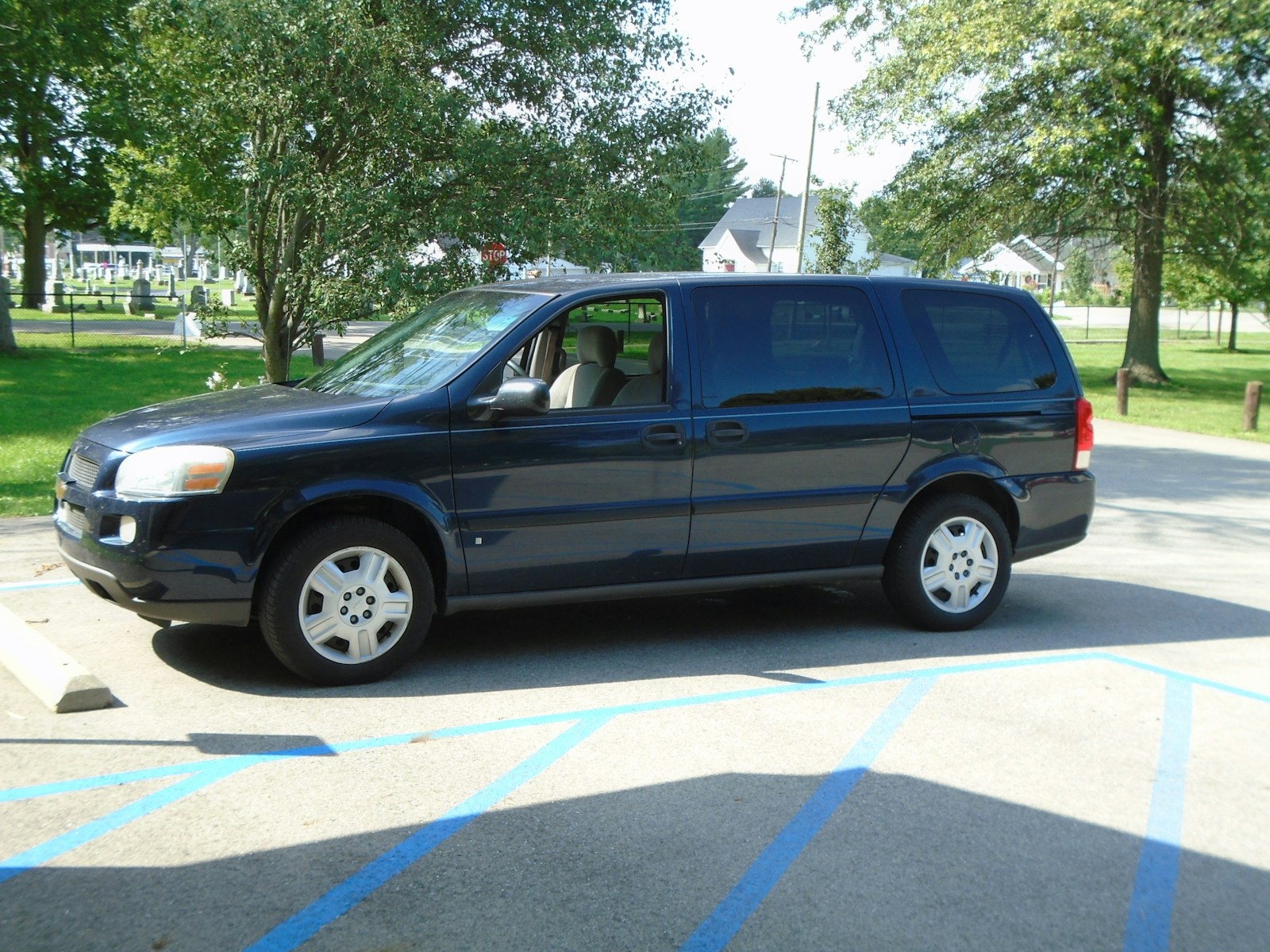
It started like one of those “finally, we’ve got our life together” purchases. A used minivan, beige like every other minivan on earth, bought off a small lot that advertised “FAMILY APPROVED” in big friendly letters and had a faded playground set out front like a prop. The couple had been limping along with a sedan that couldn’t fit a car seat without someone eating dashboard, so the van felt like a real upgrade.
The test drive went fine. The salesperson did that calm, practiced thing where they talk while you drive, pointing out cupholders like they’re selling a yacht, laughing a little too hard at the kids’ questions. When the mom asked about the weird little toggle under the dash, the guy waved it off as “an old accessory from a previous owner” and pivoted to the stereo.
They signed the papers fast because the kids were melting down and the lot “had another family coming to look at it.” They drove home relieved, already mentally assigning seats and planning road trips. Two days later, the van shut off in traffic with three kids in the back and an eighteen-wheeler bearing down behind them like the world’s worst punctuation mark.
The van that behaved… until it didn’t
The first couple of days were normal in that boring, satisfying way that makes you think you got lucky. School drop-off, a grocery run, a drive-thru that finally didn’t require contortions to pass snacks to the back row. The only oddity was a faint click sometimes when the driver hit a bump, like something plastic tapping under the steering column.
On the day it happened, it wasn’t even raining or icy or any of the usual “yeah, that’s why” conditions. They were on a four-lane road near an intersection that always felt slightly too fast for how many people were trying to merge. The driver—dad—was doing the normal routine: one hand on the wheel, one eye on the mirror, half his brain tracking which kid was about to start a fight over a water bottle.
Then the dashboard lit up like a slot machine, and the engine just… quit. Not a sputter, not a gradual loss, but the instant deadness you feel in your bones when a machine decides it’s done cooperating. The steering got heavy, the pedal went stiff, and the van started bleeding speed right in the middle lane.
Dead in the lane with kids in the back
The first thing he did was flick the hazards and try the key, like it was a normal stall. Nothing. The kids, who’d been loud a second earlier, went quiet in that eerie way children do when the adults’ energy changes shape.
Cars started stacking up behind them, horns popping off like nervous laughter. A truck rolled up too close, and he could see the driver’s face in the mirror—eyes wide, mouth moving like he was yelling even with the windows closed. The mom in the passenger seat grabbed her phone, not to film, but to call anyone who could make this not be happening.
He tried to coast to the shoulder, but the lane was narrow and the “shoulder” was basically gravel and broken glass. The van made it halfway out before it stopped completely at an angle, rear end still flirting with the lane. A guy in a reflective vest from a nearby construction crew jogged over and started waving traffic around them, doing that aggressive arm-sweeping motion people do when they’re trying to keep you alive.
The weird switch that suddenly mattered
While the dad was popping the hood like that was going to reveal a cartoon problem, the mom climbed into the footwell and started hunting for anything that looked out of place. Under the steering column, tucked up behind a panel, she found the little toggle again—the one the salesperson had shrugged off. It wasn’t labeled, didn’t match anything else, and looked newer than the surrounding plastic.
On instinct, she flipped it. The van chirped, like it had just been woken up, and the dashboard lights came back in a steady, normal pattern. Dad climbed back in, turned the key, and the engine started immediately, like it had been fine the whole time.
They sat there for a second in the kind of silence you only get after something almost-bad happens. The construction guy leaned in and said, “You good?” Dad nodded, voice tight, and eased the van the rest of the way off the road. When they finally pulled into a gas station lot a quarter-mile away, both parents got out and just stared at the vehicle like it had betrayed them personally.
Back to the lot, and the first version of the truth
They didn’t go home. They drove straight back to the used lot with the kids still in the back seats, because the idea of shutting the van off and letting it sit in their driveway felt like inviting a snake into the house. The dad kept one hand hovering near that hidden toggle the whole drive, like it might try something again.
At the lot, the salesperson wasn’t there, but a manager-looking guy with a tucked-in polo and a smile that arrived before his eyes did came out to talk. Dad explained what happened, keeping his voice controlled in the way people do when they’re trying not to scare their own kids. Mom pointed out the switch, and the manager crouched down like he was inspecting a scratch on a bumper.
The manager’s first story was that it must be “an anti-theft device” from a previous owner. He said lots of people get those installed, and sometimes they’re finicky. He talked like the problem was annoying, not dangerous, and offered to “take a look” if they left the van there for the afternoon.
That offer landed badly. The parents didn’t want the van out of their sight, and they definitely didn’t want the same people who sold it to them poking around with tools and calling it fixed. The mom asked, very plainly, why the switch had been hidden, why nobody mentioned it during the sale, and why it could kill the engine at speed.
When the second version of the truth slips out
This is where the conversation got messy, fast. The manager asked if they were current on their payments, which was a weird thing to ask two days after a purchase that wasn’t financed through the lot. Dad said they paid cash, and the manager’s expression flickered for half a second—something like recalculating.
They pushed harder, and eventually a mechanic from the back wandered over, wiping his hands on a rag, smelling like oil and cigarettes. He looked at the toggle and didn’t seem surprised. He asked, casually, “Did the remote not come with it?”
The parents latched onto that. Remote for what? The mechanic hesitated, glanced at the manager, and then gave a half-answer about a “shutdown” feature that could be triggered. Not a fancy factory immobilizer, but an aftermarket kill switch setup, the kind that’s installed for repossessions or for tracking vehicles sold under certain agreements.
That’s when mom’s tone changed. It wasn’t panic anymore—it was anger with a clean edge. She asked if they’d sold them a van wired like it was still someone else’s property, and whether someone could turn it off whenever they wanted.
The manager tried to pull it back into customer-service language, saying they’d “make it right,” that it was probably just left over from a previous situation and “should’ve been removed.” But he also wouldn’t put anything in writing right there, and he kept steering the conversation toward leaving the van overnight. Dad asked a simple question—can you guarantee nobody else can shut off my car while my kids are in it?—and the manager never gave a straight yes.
The problem with a “fix” you can’t trust
They didn’t leave it. They drove home in a different car borrowed from a relative and parked the minivan in the driveway like a ticking appliance. That night, the dad went out with a flashlight and filmed the switch from every angle, tracing wires as far as he could without ripping panels off, because suddenly this wasn’t just a mechanical issue—it was a control issue.
They called a separate mechanic the next morning, someone with no connection to the lot, and asked for an inspection specifically focused on electrical add-ons. The independent mechanic reportedly found the wiring ran deeper than a “random old accessory” and looked professionally installed, not like a DIY job. He wouldn’t say who put it in, but he didn’t like that it could interrupt power while the vehicle was moving.
Meanwhile, the lot kept calling. At first it was polite—bring it in, we’ll remove it, we’ll comp you for the inconvenience. Then it shifted into that faintly threatening tone businesses use when they’re trying to regain control of the narrative: they suggested the parents might be “misunderstanding” what the device did, implied they could be voiding something by letting another mechanic touch it, asked again about payments like that was relevant.
The mom, who’d been the calmer one during the traffic scare, became the one who refused to be smoothed over. She wanted paperwork showing exactly what was installed, who had access to it, and an agreement that the sale would be unwound if it couldn’t be made safe. The lot wanted the van back in their shop and the conversation off the phone.
What made the whole thing stick in people’s brains wasn’t just the near-miss in traffic. It was the feeling of being sold a family vehicle that came with an invisible hand on the power switch, and a dealership that couldn’t decide whether to play dumb or act like it was normal. They still had the minivan sitting there, technically theirs, but not something they trusted to carry their kids through an intersection—because once you’ve felt a car die under you at forty miles an hour, “probably fine now” doesn’t sound like reassurance, it sounds like a dare.