

It started with something so small it felt almost stupid to be scared of: her car wasn’t where she left it.
One night, she swore she’d parked it on the street right in front of her apartment building, under the busted streetlight that always flickered like it was about to give up. In the morning, it was two houses down, tucked in tight behind a neighbor’s pickup like it had been carefully re-parked by someone who knew the block. She blamed herself, laughed it off, and did the little mental replay everyone does—keys, groceries, phone, where did I stop, did I really park there?
Then it happened again. And again. Not stolen, not damaged, not even messy—just… moved. Always nearby, always in a spot she didn’t remember choosing, always with that faint, nagging sense that something was wrong but not wrong enough to call the cops without sounding unhinged.
The kind of ex who stays “helpful”
She and her ex had been broken up for a few months, the sort of breakup that’s technically mutual but still leaves a trail of unfinished conversations. He wasn’t the screaming, door-slamming type; he was worse in a quieter way—always “checking in,” always offering to “help,” always lingering around the edges of her life like he still had a role. He’d drop off something she “forgot” at his place, remember details she hadn’t told him recently, bring up inside jokes like they were still a team.
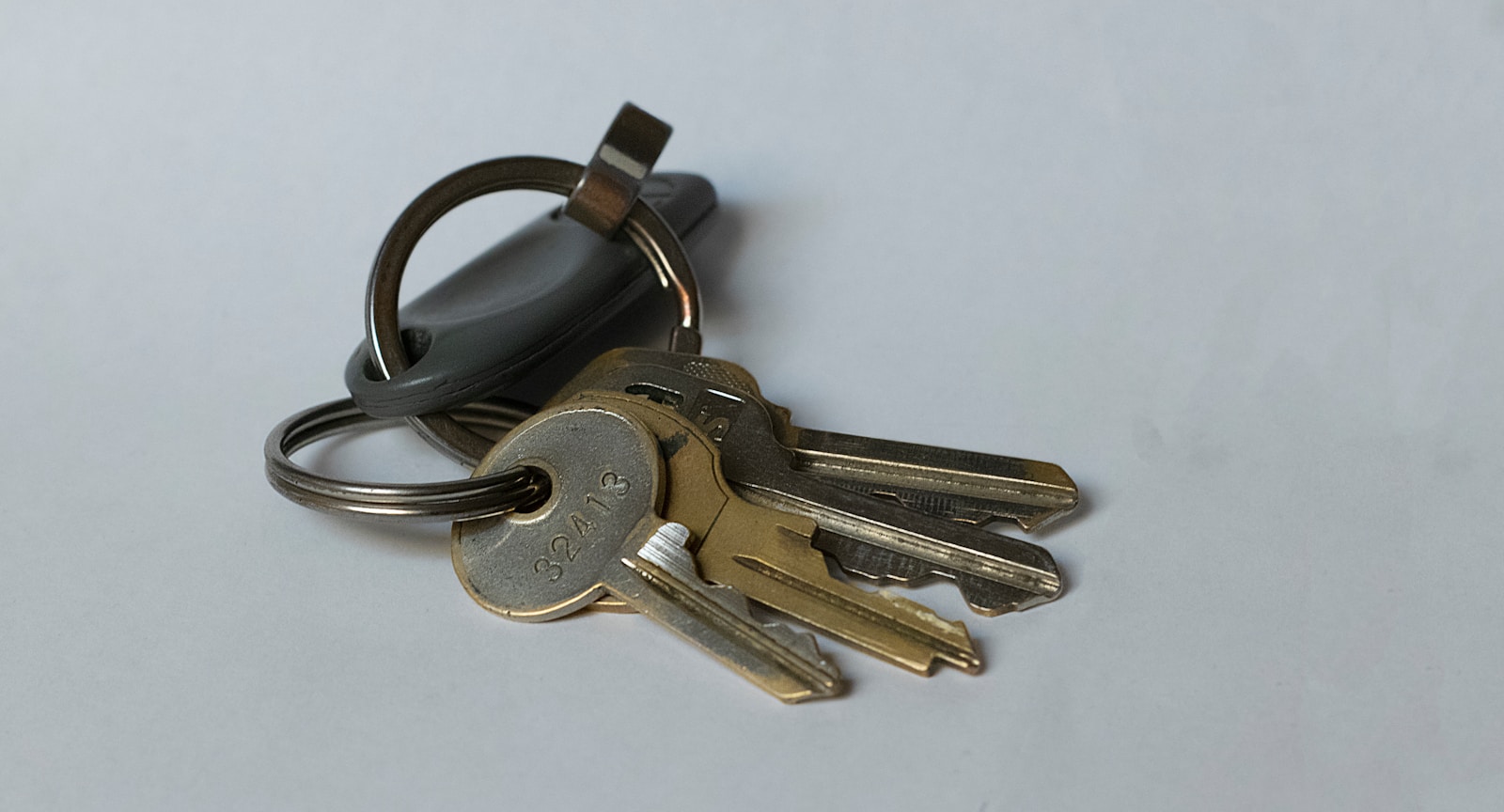
The spare key was one of those leftover entanglements. At some point when they were together, she’d given him one because it was convenient—if she locked herself out, if he needed to move the car for street cleaning, if life happened. After the breakup, she didn’t immediately ask for it back because who thinks their ex is going to use it for nightly mind games?
When the car first moved, she even wondered if he’d done it as a favor. Her street had alternate-side parking rules, and tickets were brutal, and she’d been half-asleep lately. The idea that he’d quietly slid it into a legal spot almost made her grateful… until she checked the calendar and realized there was no street cleaning that week.
Little inconsistencies that don’t add up
By the fourth time, she stopped blaming her memory and started tracking it. She took a quick photo of the car after she parked—nothing dramatic, just the bumper lined up with a cracked bit of curb, the mailbox in the frame, the apartment number visible behind it. She told herself it was for peace of mind, like leaving the stove and wanting proof you turned it off.
The next morning, the car was around the corner, facing the opposite direction. Same gas level, same seat position, no missing items, no broken window. It was just different enough to feel like a message, like whoever did it wanted her to know they’d been there but didn’t want the consequences that would come with doing actual damage.
She started doing those tiny anxiety rituals people do when they don’t want to admit they’re anxious. She checked the doors twice. She listened for engine sounds outside at night. She held her keys a little tighter walking back from work, and she caught herself scanning the street for his car even though she told herself she wasn’t.
Eventually she asked her building’s maintenance guy if any towing company had been around. He shrugged and said no, but added, casually, that he’d seen “a guy” around late a couple nights, standing near her car like he was waiting for someone. That was the first time the story stopped feeling like a quirky mystery and started feeling like a boundary being tested.
The confrontation, and the way he smiled through it
She didn’t confront him immediately. She tried the normal solutions first—parking in a different spot, parking farther away, parking under a brighter light. She even thought about putting the spare key on her own keyring and pretending it didn’t exist. But no matter where she left the car, it kept relocating in the night like it was being herded.
So she texted him. Not an accusation, at first. More like: “Hey, weird question—have you been moving my car?” She expected denial, confusion, maybe a joke about her being forgetful.
His reply took long enough that she got that sick feeling in her stomach, the one that shows up when you already know the answer. Then he wrote back something infuriatingly light: “Lol. Yeah. I was wondering when you’d notice.”
When she demanded to know what the hell he was doing, he didn’t apologize. He didn’t even pretend it was a misunderstanding. He said he’d been “teaching her to be more careful,” like she was a kid leaving a bike in the driveway and he was moving it to prove a point.
And the way he explained it was almost worse than the act itself. He told her she’d been “sloppy” lately, that she didn’t pay attention to where she parked, that she “needed to be aware” of her surroundings. It was this smug little performance of concern, the kind that disguises control as guidance and dares you to argue without sounding unreasonable.
“It’s not like I took it far”
They met up in person because she wanted her spare key back, and because she didn’t want this conversation living only in texts where he could twist the tone later. He showed up like he was doing her a favor by agreeing to talk, holding a coffee, acting casual. She kept her face flat, but her heart was hammering the whole time.
He admitted everything like it was funny. He said he’d been using the spare key to unlock the car, start it, and move it a few houses over—sometimes just across the street—then locking it again. He emphasized the “few houses” part the way people emphasize “just a joke,” as if the distance mattered more than the fact that he’d been inside her property at night without permission.
When she asked why he didn’t see how creepy that was, he leaned into the “lesson” angle even harder. He said if a stranger had done it, she’d be in danger, so she should thank him for proving how easy it was. He talked like he’d run a safety drill, like he was some kind of volunteer neighborhood watch, not a guy using access he shouldn’t have had anymore.
She pointed out the obvious: he was the stranger now. They were broken up. He didn’t get to pop in and out of her life, or her car, whenever he felt like it. He looked genuinely annoyed at that, like she’d violated an agreement he’d written in his head.
The key isn’t the only thing he took
He gave the spare key back, but not without dragging it out. He patted his pockets slowly, acted like he might’ve “misplaced” it, then finally slid it across the table with a look that dared her to say thank you. She didn’t.
Afterward, she went home and did the practical stuff: she bought a steering wheel lock, checked her car for anything out of place, and started asking around about cameras. She learned quickly that her building’s security system was basically decorative, and the neighbor with the ring camera only caught the edge of the street. There was no clean footage of him walking up, no easy proof, just her story and his texts—his casual “Lol. Yeah.” sitting there like a confession wrapped in a joke.
That’s when it hit her that the car wasn’t even the main point. The main point was that he’d been enjoying her confusion, her self-doubt, the way she kept questioning her own memory. He’d turned her routine into a nightly puzzle and waited for her to crack, then acted like her discomfort was a character flaw he’d been correcting.
Even with the key back, she didn’t feel settled. She kept thinking: if he did this so easily, what else had he felt entitled to touch, to adjust, to “teach” her about? The spare key was a symbol, sure, but the real theft was the sense of safety she used to have when she looked out the window and saw her car exactly where she left it.
And the unresolved part—the part that stuck in her throat—was how confident he’d been saying it. Not angry, not frantic, not impulsive. Calm, pleased with himself, like this was a reasonable thing one adult could do to another as long as he framed it as a lesson. The car stopped moving after she took the spare key back, but the feeling didn’t stop with it, because now she knew how comfortable he was crossing a line and calling it care.