

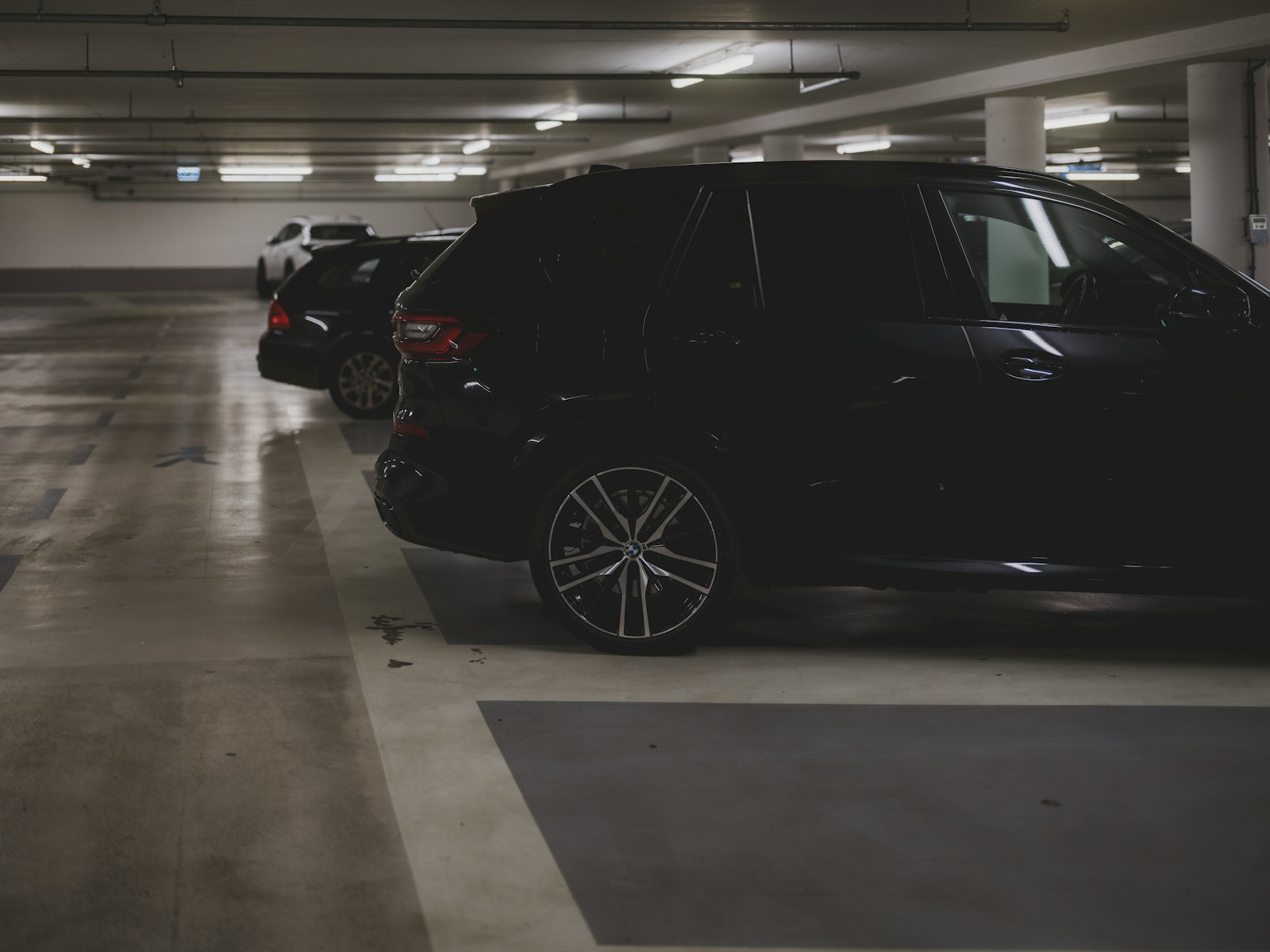
They’d barely had the new SUV a week when the first argument about it happened, which is almost impressive in a depressing way. The couple had upgraded after years of cramming two kids, backpacks, and the occasional science fair volcano into a tired sedan with a trunk that never quite shut right. The SUV smelled like new plastic and optimism, and they were trying to keep it that way.
The mother-in-law was the one who made the SUV feel less like a purchase and more like a battlefield. She’d been around a lot while the kids were growing up—school pickups when work ran late, babysitting during flu season, all the usual grandparent glue that keeps a family from falling apart. And she talked about it constantly, not in a warm “we’re lucky to have you” way, but in a ledger-book way, like every carpool was a deposit she expected to withdraw later.
So when she came over and saw the SUV in the driveway, clean enough to reflect the clouds, she didn’t compliment it so much as claim it. She ran her hand along the side like she was checking the paint and said, “Well, I should get to drive it. I helped raise those kids.” The husband gave a tight laugh, like it was a joke he didn’t find funny, and the wife felt her stomach drop because she could already hear how this would go.
The “I Deserve It” Conversation
It started casually—just family chatter turning into that familiar, prickly tone. The mother-in-law asked what kind of gas it took, what the payment was, whether the seats were real leather. Then she angled her body toward the driver’s side and held her hand out, palm up, like the keys would materialize there out of respect.
The wife tried to keep it light. “We’re still getting used to it,” she said, which was true, and also a polite way of saying no. The mother-in-law’s face tightened, and she made that little sound older relatives make when they’re about to declare a rule nobody agreed to.
“I’m not asking to keep it,” she said, voice sharpening. “I want to drive it. I’ve earned that. Do you know how many times I picked those kids up? How many nights I stayed so you two could work?”
The husband tried to smooth it over, stepping in with the kind of diplomacy you only develop after years of this. “Mom, it’s brand new. We’re trying to be careful with it.” That only made her bristle more, like caution was an insult.
A Dinner Plan Becomes a Power Play
Later that week, they had plans to meet the mother-in-law for dinner downtown, the kind of place with tight parking and valet signs that always look optional until you try to park yourself. The wife suggested they take the older sedan for the hassle of city driving, partly because it was easier to wedge into small spaces and partly because she didn’t want the SUV in a concrete garage with blind corners.
The mother-in-law heard that and pounced. “Oh, so now I’m not even allowed to ride in it?” she said, loud enough that the kids looked up from their tablets. She wasn’t actually being excluded; she was being denied the role she’d assigned herself—principal driver, honored elder, key-holder.
The husband, who’d been trying all week to keep the peace, caved in a small but consequential way. “Fine,” he said, grabbing the keys. “We’ll take the SUV.” The wife didn’t argue in front of the kids, but she had that quiet, simmering feeling of watching someone agree to a bad idea just to stop the noise.
When they picked the mother-in-law up, she came out already smiling, coat on, purse tucked under her arm like she was heading to an appointment she’d booked. She didn’t greet the kids first. She went straight to the driver’s door and said, “Alright, hand them over.”
The Key Handover Nobody Wanted
The wife said, “We were going to drive,” and the mother-in-law’s smile didn’t move, but the temperature in it dropped. “Why?” she asked. “You don’t trust me?” It was the kind of question that isn’t looking for an answer so much as a surrender.
The husband hesitated, looking from his mom to his wife, stuck between two versions of the same family. The mother-in-law didn’t wait him out; she escalated with a sigh and a little shake of her head. “I’ve driven longer than both of you have been alive,” she said. “And I helped raise those kids. The least you can do is let me drive the nice car.”
There’s a particular kind of guilt that only works because it’s familiar. The husband pulled the keys from his pocket like they were too hot and placed them in her hand. The wife climbed into the passenger seat, feeling like she’d just watched someone hand over a fragile object to the person most likely to drop it.
The mother-in-law adjusted the seat dramatically, moving it forward and back like she was getting comfortable in a throne. She fussed with the mirrors, tapped the screen, and asked questions about the backup camera in a tone that suggested the technology was being overly complicated on purpose. The kids buckled in the back and went quiet, because even they could tell this was one of those adult moments where jokes didn’t land.
The Parking Garage and the Sound Everyone Heard
Downtown was a mess, as expected: tight lanes, impatient drivers, pedestrians drifting into the street like they owned it. The mother-in-law drove with a stiff, overly confident posture, both hands on the wheel but none of the relaxed awareness that usually comes with experience. She brake-tapped too often and took turns wide, then corrected them late.
When they pulled into the parking garage, the wife’s jaw clenched. The ramps were narrow, the concrete walls close enough to feel like they were leaning in, and the corners were blind. The mother-in-law laughed like it was nothing and said, “Oh, these garages are all the same.”
They found a spot between two pillars that made it feel like the space was designed for a much smaller car. The wife offered, carefully, “Do you want me to park it? It’s tight.” The mother-in-law didn’t even look at her. “No,” she said, clipped. “I’ve got it.”
She swung in too close on the left, corrected sharply, and then overcorrected the other way. There was a scraping sound that didn’t stop quickly—it dragged, loud and awful, like someone tearing open a metal can. The wife froze, and the kids in the back made that collective inhaling noise kids make when they know something expensive just happened.
“What was that?” the husband asked, already knowing. The mother-in-law stared forward, hands still on the wheel, like if she didn’t acknowledge it, the sound might reverse itself. Then she said, “Nothing. These garages are too narrow.”
When they got out, it was immediately obvious it wasn’t “nothing.” Both doors on the passenger side had long, pale scrapes, and the paint was roughened like someone had taken sandpaper to it. There were streaks of concrete dust along the side, the kind of damage that looks casual from a distance and devastating up close.
Dinner, Denial, and the Bill That Wasn’t About Food
The wife didn’t yell in the garage. She just stood there, staring at the damage, feeling her throat tighten with the effort of not exploding in front of the kids. The husband rubbed his forehead with his thumb, a stressed habit, and said, very quietly, “Mom. You hit the pillar.”
The mother-in-law’s response wasn’t an apology. It was a speech. “It’s a parking garage,” she snapped. “They build them too tight. Besides, it’s just a car. You can’t be this precious about it.” Then, as if she were making a point about priorities, she looked at the kids and said, “We’re not going to ruin dinner over this.”
At the restaurant, the wife barely tasted anything. The mother-in-law talked loudly, cheerfully, as if she’d successfully wrestled the evening back into normalcy through sheer force of will. The husband kept glancing at his phone like he was trying to calculate the cost of bodywork in his head.
Halfway through the meal, the wife finally said, “So how are we handling the damage?” It wasn’t a dramatic confrontation. It was a practical question asked by someone who knew exactly how much a “scrape” costs when it’s on two doors of a new SUV.
The mother-in-law blinked at her, offended by the premise. “Handling it?” she repeated, like the word itself was rude. “You have insurance. That’s what it’s for. And you insisted we bring the kids, so don’t act like you didn’t want the bigger car.”
The husband tried again, firmer this time. “Mom, you were driving. You said you wanted to drive.” His voice had that strained politeness people use when they’re testing the limits of their own patience. The mother-in-law’s face hardened. “Oh, so now you’re blaming me,” she said, and the room around their table suddenly felt louder, like other people’s conversations were closing in.
They paid, left, and walked back to the garage in that stiff, silent formation families do when everyone is mad but trying to look normal in public. The mother-in-law reached for the keys again out of habit or entitlement—hard to tell—which was when the wife finally said, “No. We’re driving home.” It came out calm, but it had weight to it.
The mother-in-law didn’t argue right there. She just pursed her lips and got into the back seat, behind the passenger side she’d scraped, staring out the window like she was the one who’d been wronged. The SUV drove home with two long wounds on its side and a heavier one sitting between the adults up front: the realization that “I helped raise the kids” wasn’t gratitude to her, it was currency she intended to spend whenever she wanted.
By the time they pulled into the driveway, the couple hadn’t agreed on what to do about the repairs, and the mother-in-law hadn’t offered a penny or an apology. She’d already started rewriting the story into something where tight garages and sensitive in-laws were the real problem. And the worst part was the silence afterward, because now every future favor—every babysitting night, every “I can pick them up”—came with the same unspoken question hanging over it: what else does she think she’s earned the right to take?