

She’d let him drive her car before, casually, the way couples do when they’re swapping errands or one person’s had a long day. It wasn’t a big ceremonial “here are my keys” moment—just a normal Friday kind of trust, the kind that only feels dramatic in hindsight. He’d even made a little show of being careful, adjusting the seat like he was piloting a spaceship and joking about how “precious” her car was.
This time, though, it was her car and his plans. He wanted to swing by a friend’s place across town, promised he’d be back in an hour, and she didn’t feel like arguing about it. The last thing she remembers before everything went sideways is him tapping the steering wheel and saying, “Relax, I’ve got it,” like he was soothing a nervous passenger instead of borrowing someone else’s property.
He came back hours later—just not in her car. He walked into her apartment with that weird, stiff energy people have when they’re trying to act normal while their brain is still stuck in an adrenaline loop. And before he even sat down, he hit her with the line that turned her stomach: “So… I got in an accident. But I’m okay. Like, I walked away alive.”
The call that didn’t come with a car
At first she didn’t get it, because “accident” can mean anything from a scraped bumper in a parking lot to a whole insurance nightmare. She asked where the car was, and he said it was “being handled,” which is the kind of phrase that sounds official until you realize it means absolutely nothing. He wouldn’t meet her eyes when he said it, which immediately made her think it was worse than he was admitting.
Eventually, it came out in pieces: he’d been driving on a busy road, traffic was weird, he tried to “merge real quick,” and then there was a crunch followed by that awful silence when everyone’s processing what just happened. Airbags went off. Her car was towed. He said a cop showed up, there was a report, and he “did everything right,” which was the first time she noticed how invested he was in being seen as the victim.
She asked if anyone was hurt. He said no, he was fine, the other driver seemed fine too, and then he repeated himself: “I walked away alive.” It wasn’t gratitude, exactly—more like he wanted his survival to be the headline and everything else to be background noise.
What “handled” actually meant
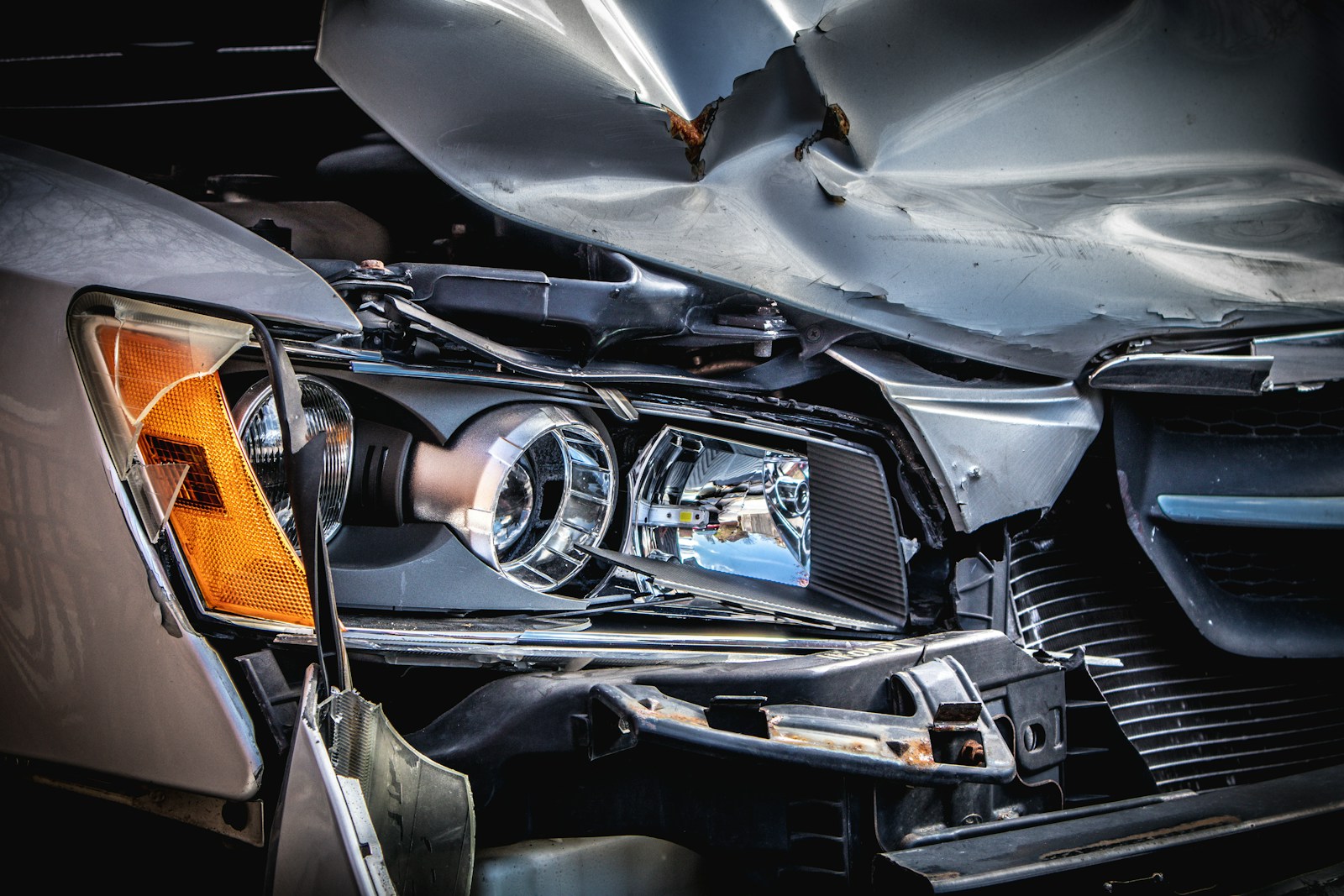
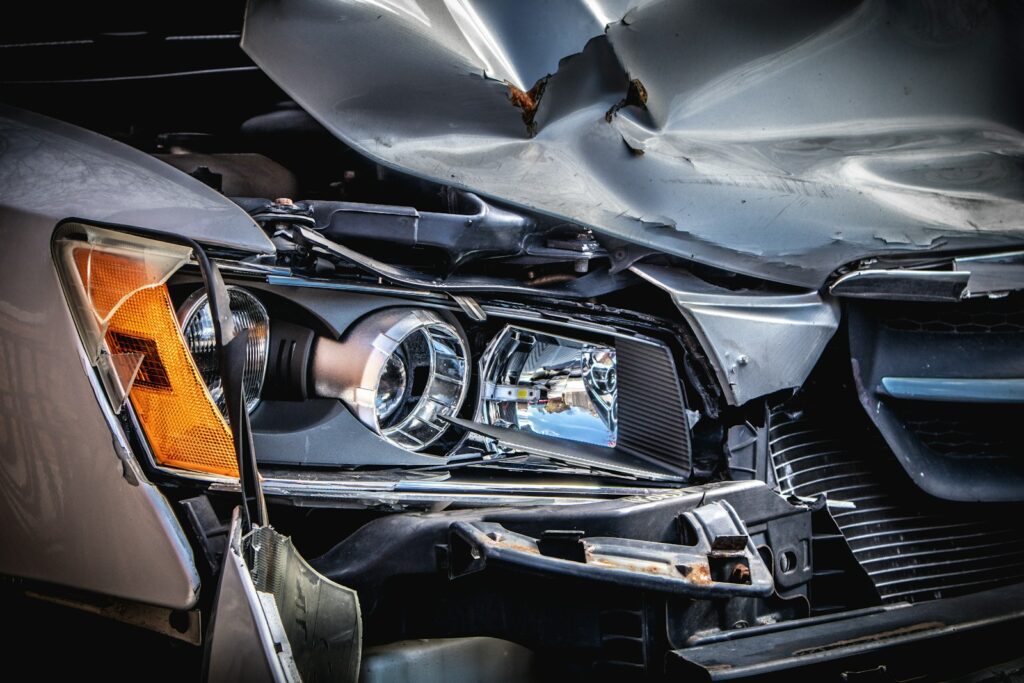
When she finally got the towing company info out of him, she called and learned her car was sitting in a lot waiting for an insurance claim. The photos were bad: crumpled front end, one headlight smashed, the hood buckled like it had been punched. Not totalled, but definitely not a “buff it out” situation either.
She called her insurance next, because what else do you do when your car is suddenly a wreck you didn’t even get to see happen? They asked who was driving, she said her boyfriend, and the rep’s tone shifted into that calm, transactional voice that makes you feel like you’re being assessed. Yes, he was permitted. Yes, there was a police report. Yes, the deductible applied.
That was the number that snapped everything into focus. A deductible isn’t the end of the world, but it’s also not nothing, and it’s not a fun surprise expense when you weren’t the one behind the wheel. She texted him the amount, expecting at least an immediate, “Of course, I’ll cover it,” because that’s what decent people do when they break something they borrowed.
His response was a shrug in text form. He said he didn’t have it “right now” and that insurance was already paying, so why was she stressing about it? Like she was being dramatic over a number that would come directly out of her account, on a claim that might make her rates jump, for a crash she didn’t cause.
The deductible fight turns into a character fight
When she pressed him—politely at first—he got defensive fast. He started talking about how scary it was, how he’d never been in a crash like that, how he could’ve died. Then he dropped the line that made her feel like she was talking to someone she didn’t recognize: she should be grateful he “walked away alive.”
Not “I’m sorry.” Not “I feel terrible.” Not even “I’ll figure it out.” Just this implication that the mere fact he hadn’t been injured should cancel out the financial mess sitting on her lap. It was like he wanted applause for surviving his own mistake and couldn’t believe she was bringing money into it.
She tried to keep it practical. She reminded him the car was hers, the claim was under her policy, and the deductible wasn’t optional. She told him she wasn’t asking for a luxury; she was asking him to take responsibility for the part insurance wouldn’t cover, the same way you’d replace a phone screen if you dropped someone’s phone.
He countered with this slippery logic: if the insurance company was paying for repairs, then she wasn’t “really” losing anything. If she wanted to be mad, she should be mad at the situation, not him. And anyway, he was “traumatized,” which he used like a shield every time she tried to steer the conversation back to basic accountability.
Little details that made it worse
It didn’t help that as she asked more questions, his story got fuzzier. He couldn’t remember exactly how fast he was going, wasn’t sure which lane he’d been in, and kept insisting the other driver “came out of nowhere,” a phrase that usually means “I didn’t look.” When she asked if he’d been on his phone, he got offended in a way that felt rehearsed.
Then there was the way he talked about the car like it was an abstract object. He didn’t say “your car,” not really—he said “the car” or “it,” as if keeping the ownership vague would make the consequences less personal. And when she mentioned that her rates could go up, he scoffed and said, “You’re already insured, that’s the point,” like insurance is a magic eraser instead of a system that punishes you for claims.
He also had a weird, performative gratitude for himself. He kept saying things like, “I can’t believe I’m still here,” while simultaneously treating her frustration as shallow and heartless. If she looked upset, he’d sigh like she was failing a compassion test he’d invented on the spot.
Meanwhile she was the one spending her lunch break on the phone with adjusters, figuring out where the car would be repaired, arranging rides, and calculating what she could cut from her budget to cover the deductible. He wasn’t offering solutions; he was offering vibes. The most concrete thing he did was repeat, again, that he “walked away alive,” as if that sentence should close the discussion.
The relationship starts taking on water
Once it became clear he wasn’t going to volunteer the money, she tried a different angle: could they split it? Could he pay it off over a couple of months? Could he pick up extra shifts, sell something, do literally anything that signaled he understood this wasn’t her bill to eat alone? He acted like she was negotiating a ransom.
He told her she was being “cold.” He said she cared more about a car than about him. He kept returning to this moral framing where he was the fragile survivor and she was the greedy creditor, even though she wasn’t asking for profit—just the cost of his mistake. And the more he talked, the more it felt like he wasn’t just avoiding payment; he was trying to rewrite the whole situation so responsibility never landed on him.
She started thinking about other times he’d done that, little moments she’d brushed off. The forgotten bill that was somehow her fault for not reminding him. The borrowed item that came back damaged, followed by a joke and a quick subject change. It wasn’t that he was a cartoon villain; it was that he had this reflex to protect his self-image at all costs, even if it meant leaving her holding the bag.
In the days after the crash, she noticed how quickly he got tired of talking about it unless the topic was his feelings. If she brought up logistics—rental coverage, repair timelines, whether the other driver’s insurance might come into play—he’d get impatient and say she was “obsessing.” But if he wanted to describe the moment the airbags went off for the tenth time, he expected full attention and sympathy.
By the time the shop gave a rough estimate and her insurer confirmed the deductible would be due before repairs wrapped, she wasn’t just stressed—she was embarrassed. Not because accidents happen, but because she’d trusted someone who was now acting like her trust was a blank check. And he kept behaving like the only appropriate reaction was gratitude that he was alive, as if survival automatically made him the injured party in every sense that mattered.
The last conversation they had about it wasn’t a screaming match so much as a slow, ugly stalemate. She told him, flat-out, she needed him to pay the deductible because he crashed her car. He told her, flat-out, that he shouldn’t have to, and that she should be grateful he “walked away alive.” And sitting there in the quiet after he said it, she realized the worst part wasn’t even the money—it was the way he’d turned her perfectly reasonable ask into proof, in his mind, that she was the problem.
More from Steel Horse Rides: