

When Lena dropped her car off at the local mechanic, it wasn’t dramatic. It was the normal kind of annoying: the check-engine light that wouldn’t quit, a rough idle at stoplights, and that creeping dread that the fix would cost more than the car was worth.
The shop looked like every other place that’s been in business since before anyone cared about branding—sun-faded sign, stained concrete, a waiting room with a coffee machine nobody trusted. The guy at the counter took her keys, scribbled on a clipboard, and told her they’d “take it for a drive” after they replaced a sensor. Lena nodded because sure, fine, that’s what they always say.
Two days later, she picked it up after work. The first thing she noticed wasn’t the bill or the way the engine sounded. It was the mileage.
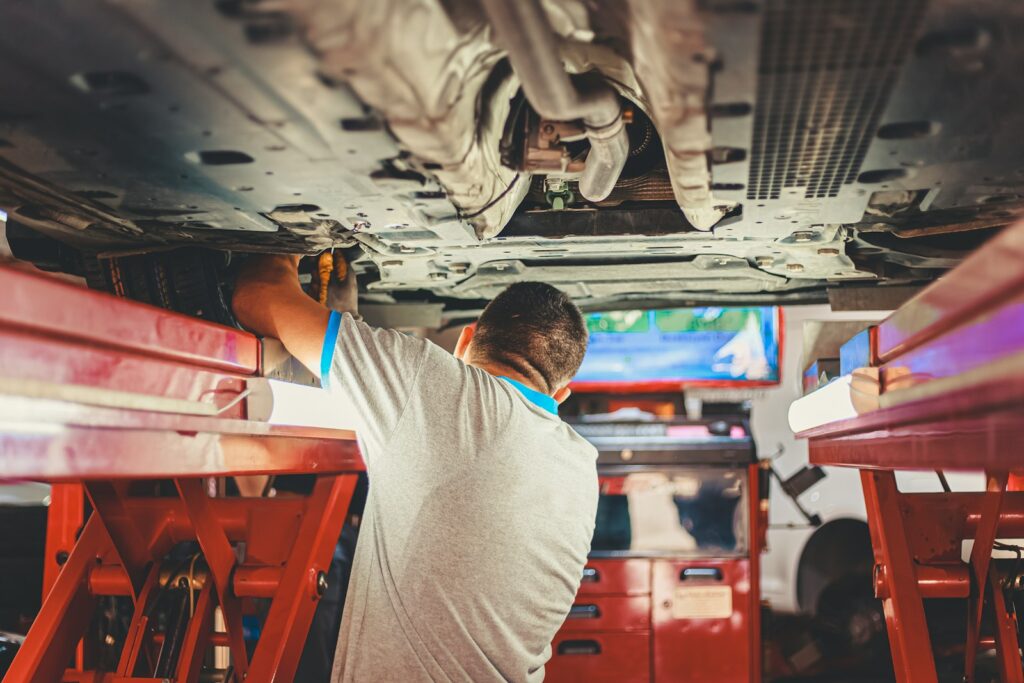
The 200-Mile Surprise
Lena didn’t have one of those cars that tracks trips neatly in an app, but she did have a habit of checking her odometer because her commute is repetitive and she’s the kind of person who notices patterns. When she dropped it off, she was at 84,1xx. When she slid into the driver’s seat and turned the key, it read 84,3xx.
At first she assumed her brain did that thing where numbers blur, so she stared a little longer. Same result. About two hundred extra miles, give or take, which is not “we drove it around the block” territory. That’s “someone went on an errand run” territory.
She sat there for a second in the shop’s parking lot, listening to the engine idle. It did sound better—no obvious sputter, no check-engine light glaring back at her—so part of her wanted to shrug and leave. But the mileage sat in her head like a stone, and she knew if she drove off without saying anything, she’d spend the whole night replaying it.
Fast Food Evidence on the Passenger Floor
Then she looked down. There was trash on the passenger-side floorboard, like someone had been sitting there and got comfortable enough to stop caring. A crumpled fast-food bag, a couple of napkins, a straw wrapper, and one of those little sauce packets that always looks like it’s been stepped on.
Lena doesn’t keep her car pristine, but she also doesn’t leave fresh, branded garbage around. The bag wasn’t even from a place near her apartment. It was from a chain across town, the kind of detail you only clock when you’re already annoyed and scanning for anything else that feels off.
She got out, went back inside, and stood at the counter with her keys in hand like she was trying not to make a scene. The same guy was there, tapping at a keyboard. Lena kept her voice steady and asked, “Hey—why does my car have two hundred extra miles on it? And why is there fast food trash inside?”
The guy didn’t do the thing where someone panics or stammers. He did the other thing: the casual shrug, the tone like she was asking why the sky was blue. “We had to test the repair,” he said, like that was the end of the conversation.
“Testing the Repair” Turns Into a Whole Story
Lena asked what kind of test requires two hundred miles. The guy leaned back and started building a story in real time, layering on specifics that somehow made it sound worse. The problem, he said, was “intermittent,” which meant they couldn’t just start it, hear it, and declare it fixed; they had to make sure it wouldn’t come back under “real conditions.”
He said something about highway driving and “heat cycles,” about how the computer needs to “relearn” after replacing a part. He tossed in phrases like “drive cycle” and “readiness monitors,” the kind of jargon that’s technically connected to reality but also works as a smoke screen when someone’s mad. Lena listened, trying to figure out whether she was being talked to like a customer or like an obstacle.
She asked who drove it. He didn’t answer directly at first—just said “one of the techs.” She asked whether she’d signed anything authorizing that. He pointed to the paperwork, the fine print that says they may test drive vehicles, and acted like that covered everything from a five-minute loop to a weekend trip.
That’s when Lena brought up the trash. The guy glanced at it through the window like he could make it disappear by looking bored. “Yeah, that shouldn’t be there,” he said, but his tone didn’t match the words. It wasn’t an apology; it was an acknowledgment the way you acknowledge a pothole you’re not going to fix.
The Awkward Dance at the Counter
Lena didn’t start yelling, but she stopped playing polite. She asked to speak to the manager or owner—someone who could explain why her car came back with someone else’s lunch in it. The guy disappeared into the back for a minute, and she could hear the muffled rhythm of a conversation that sounded like people deciding who was going to deal with her.
A man came out wiping his hands on a rag, the universal mechanic gesture that says, “I’m busy, but I’ll tolerate this.” He repeated the same basic line: they had to test it thoroughly. When Lena said “two hundred miles,” he responded like that number was flexible, like she was rounding up a little too aggressively.
She offered a compromise just to see what would happen: show her the test-drive notes, any diagnostic logs, anything that looked like documentation of a long verification drive. The manager blinked at her like she’d asked for a DNA test. He said they don’t keep “notes” like that, just the repair order and the code readings.
It was that moment—when there was no paper trail, no timeline, no “we did this at this time for this reason”—that shifted the whole vibe. Testing is normal. Untracked, undocumented, unexplained testing that also includes fast food trash is not normal.
When the Details Start Feeling Personal
Lena walked out to the car with the manager, partly because she wanted him to see the trash with his own eyes and partly because she didn’t trust them not to minimize it again. She opened the passenger door and pointed. The manager’s expression tightened for half a second, like he recognized the bag or recognized the kind of trouble that bag could cause.
She asked, again, where the car had been driven. The manager said they took it “on the highway,” then said they took it “around town,” then said it needed “mixed driving.” Each answer was technically compatible with the previous one, but it didn’t sound like a single plan. It sounded like someone tossing out explanations until one stuck.
Lena brought up something else she’d noticed while sitting in the car: her seat was pushed back farther than she keeps it, and the radio was tuned to a station she never listens to. Alone, those details are nothing. In the context of extra miles and trash, it felt like someone had treated her car like a borrowed hoodie.
The manager finally offered a small concession—he’d knock a little off the labor, “for the inconvenience,” and he’d “talk to the guys” about keeping vehicles clean. It wasn’t framed as wrongdoing; it was framed as customer service. The math of it didn’t work either: a token discount doesn’t explain two hundred miles of fuel and wear, and it definitely doesn’t undo the feeling of someone else being way too comfortable in your space.
Driving Away With the Same Question
Lena took the keys and left because she didn’t want to be stuck there arguing while her car sat in their lot. On the drive home, she tried to focus on whether the repair actually held—whether the idle was smooth, whether the light stayed off. The car drove fine, which almost made her more annoyed, because it meant the only obvious problem left was the human one.
At home she did the little rituals people do when they’re trying to reclaim control: she cleaned out the trash, wiped down surfaces she didn’t even know someone had touched, slid the seat back to where she likes it. She checked her dash for new warning lights and took a few photos of the odometer, the receipt, the bag, just in case she decided to escalate it later.
And that’s where the story lands—not with a neat resolution, but with a simmering choice. She could accept the discount and move on, or she could push, demand a real explanation, maybe report it, maybe leave a review that turns into its own mess. The car was fixed, sure, but the repair wasn’t the thing she couldn’t stop thinking about; it was the casual confidence of “testing the repair” as a cover for two hundred unaccounted miles and a stranger’s lunch on her floor.
More from Steel Horse Rides: