

It started the way a lot of car problems start: with a noise you can’t quite describe and a sinking feeling you can. The car was an older commuter sedan—nothing rare, nothing flashy, just the kind of reliable beater someone keeps because it’s paid off and it still gets them to work. One morning it sputtered hard on the highway, threw a warning light, and limped home like it was running on spite.
He did what you’re supposed to do and took it to a local mechanic he’d used before, a small shop with a hand-painted sign and a waiting room that smelled like burnt coffee and rubber. The guy behind the counter acted friendly in that practiced way—first name basis, little jokes, “we’ll take care of you.” He kept the keys, said he’d run diagnostics, and told him to hang tight for a call.
The call came the next day, and it wasn’t subtle. The mechanic said the engine was basically done, like “terminal” done, and fixing it wouldn’t make financial sense. Then, almost immediately, he pivoted to how he could “help” by buying the car off him for cheap so he wouldn’t have to deal with towing, scrapping, or paperwork.
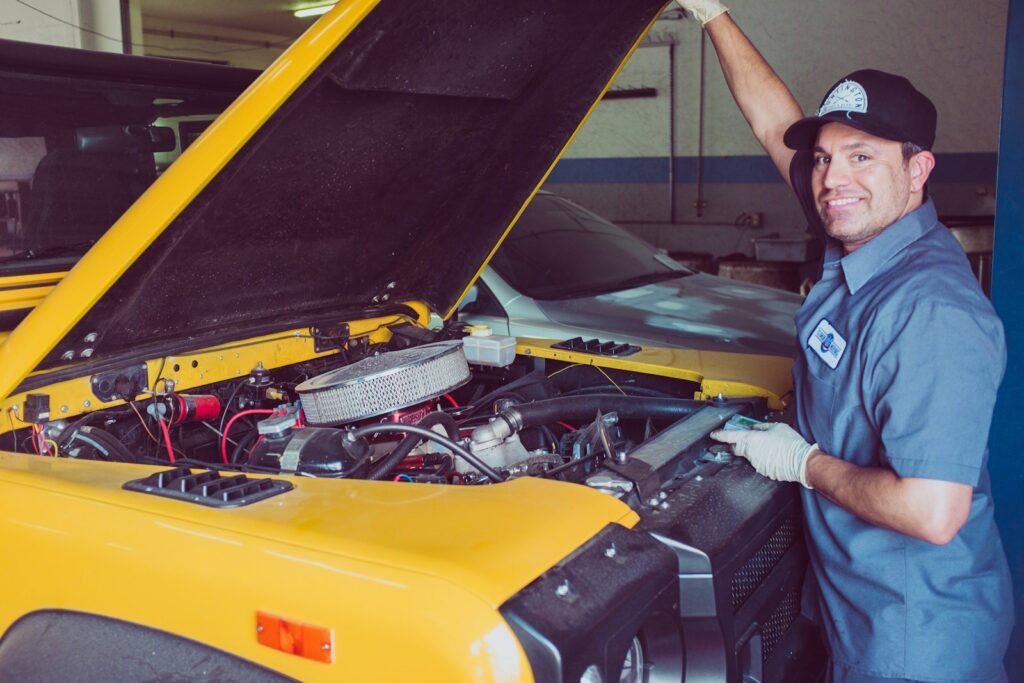
The diagnosis that didn’t quite add up
The mechanic didn’t hand over a clean, itemized estimate at first—just a heavy verdict delivered over the phone. He used phrases like “catastrophic failure” and “internal damage,” the kind of language that’s meant to end the conversation instead of start one. When the owner asked what exactly failed, the answer was vague: low compression, metal in oil, “she’s toast.”
What made it feel weirder was how quickly the mechanic slid into the sales pitch. He offered a number that sounded like a favor, not a negotiation—something like a few hundred bucks for a car that, even in mediocre condition, could’ve sold private-party for a couple grand. He framed it as mercy: he’d “take it off his hands,” and the owner could walk away without stress.
That kind of offer is common enough that it didn’t immediately scream scam. Plenty of shops buy broken cars, fix them, and flip them, and there’s nothing illegal about that. But the speed and confidence of it—engine dead, no point fixing, but also hey, I’ll buy it right now—left a bad taste.
The pressure, the paperwork, and the weirdly urgent “deal”
The owner went down to the shop to see the car and talk in person. The sedan was parked off to the side like it had already been mentally written off, hood closed, no signs of an actual autopsy. The mechanic came out wiping his hands on a rag, acting like the matter was settled and they were just there to “do the easy part.”
He repeated that fixing it would be throwing money into a pit. Then he got oddly specific about how quickly he could pay, how he had a guy who could tow it, how the paperwork could be done that afternoon. It wasn’t violent or overt, just the kind of steady pressure where you’re made to feel annoying for asking questions.
The owner asked to see the diagnostic report. The mechanic hesitated, said the scanner “didn’t save it,” and offered to print something later, which is usually not how that goes when a shop is confident. The owner asked again about compression numbers and got a shrug plus another reminder that the car wasn’t worth saving.
He didn’t sign anything that day. He said he needed time to think, and the mechanic’s friendliness cooled by a few degrees, like someone taking their hand off the thermostat. The offer stayed on the table, but now it sounded less like help and more like a countdown.
The second opinion that changed the whole vibe
Instead of accepting the “dead engine” verdict, the owner had the car towed to another place across town. It cost money up front, which always feels awful when you’ve already been told the thing is scrap. But he couldn’t shake the feeling that he’d been rushed toward a decision that benefited the shop a little too neatly.
The second mechanic didn’t treat it like a funeral. They checked codes, listened to it, looked for obvious signs of internal failure, and asked practical questions about what happened right before it started running rough. The owner expected to hear the same doom speech, just with different wording.
Instead, the second shop found something much less dramatic: a failure that was serious but not “new engine” serious. Depending on the car, it could’ve been a coil pack and plugs, a clogged fuel issue, a bad sensor throwing everything off, maybe even a timing-related problem caught early enough. The point wasn’t that it was cheap—it was that it was fixable, and the engine wasn’t a brick.
They gave him an estimate that made him angry in a quiet way. Not because repairs are fun, but because the difference between “you need an engine” and “you need this component replaced” is the difference between surrendering your car for scrap money and keeping it on the road. He authorized the repair, and within a day the car was running again.
The listing that showed up like a slap in the face
A week later, he was scrolling online—habit, boredom, whatever—and saw a listing that made him sit up. Same make, same year, same color, same little quirks you only notice when you own a car: the scuff on the rear bumper, the aftermarket hubcaps that didn’t quite match, even the slightly crooked dealership badge. It was his car.
The photos were taken at an angle that made it look glossy and cared for. The description was confident: “runs great,” “clean title,” “no issues,” and a price that was roughly triple what the first mechanic had offered him. The seller name didn’t scream “auto shop,” either—just a person’s name, which is a common trick when someone wants to look like a casual private seller instead of a business.
He clicked through the pictures again and again, trying to convince himself it was just a similar car. But the more he looked, the more it was unmistakable. There was even a shot where, in the background, you could see a familiar corner of the mechanic’s lot.
The part that really lit the fuse was the timing. The mechanic had been pushing him to sell fast because the car was “done.” Yet here it was, miraculously revived, listed with a clean, upbeat pitch like nothing had ever been wrong. If the engine had truly been toast, the mechanic wouldn’t be listing it like a turnkey commuter a week later.
Confrontation, denial, and the kind of silence that says plenty
He called the original shop and kept it simple at first. He asked why they told him the engine was dead when another shop got it running with a targeted repair. The mechanic didn’t apologize or backtrack; he acted offended, like the owner was accusing him of a crime instead of asking for an explanation.
When the owner mentioned the online listing, the mechanic’s tone shifted. He said something along the lines of “we buy cars all the time” and tried to make it sound normal, even though the owner never sold it to them. Then he pivoted into denial about details: maybe it was a different car, maybe the listing wasn’t his problem, maybe the owner was confused.
The owner pointed out the identifying marks. He mentioned the same bumper scuff, the same hubcaps, the same tiny dent by the trunk latch. The mechanic went quiet for a beat, then got clipped and defensive, suddenly “busy” and needing to get off the phone.
That was the moment it stopped being about a bad estimate and started feeling personal. If the mechanic had admitted, “Yeah, we guessed wrong,” it would’ve been infuriating but human. The refusal to engage, plus the aggressive attempt to get the car cheap, made it feel like the original diagnosis wasn’t a mistake—it was a strategy.
He considered reporting the shop, but that’s where things got messy. Proving intent is hard. A shop can always say they diagnosed based on what they saw at the time, that problems can be intermittent, that another mechanic got “lucky,” that anything is possible. And unless you have paperwork, numbers, or recorded communication, it turns into one person’s anger versus another person’s plausible deniability.
What stuck with him wasn’t just the money he almost lost, but how close he came to signing the car away because someone spoke with enough authority. He kept thinking about how many people would’ve taken the offer out of exhaustion, fear, or just not having the cash to tow it elsewhere. The listing stayed up, cheerful and bright, like a taunt—proof that the car wasn’t dead, just almost stolen in slow motion.
More from Steel Horse Rides: