
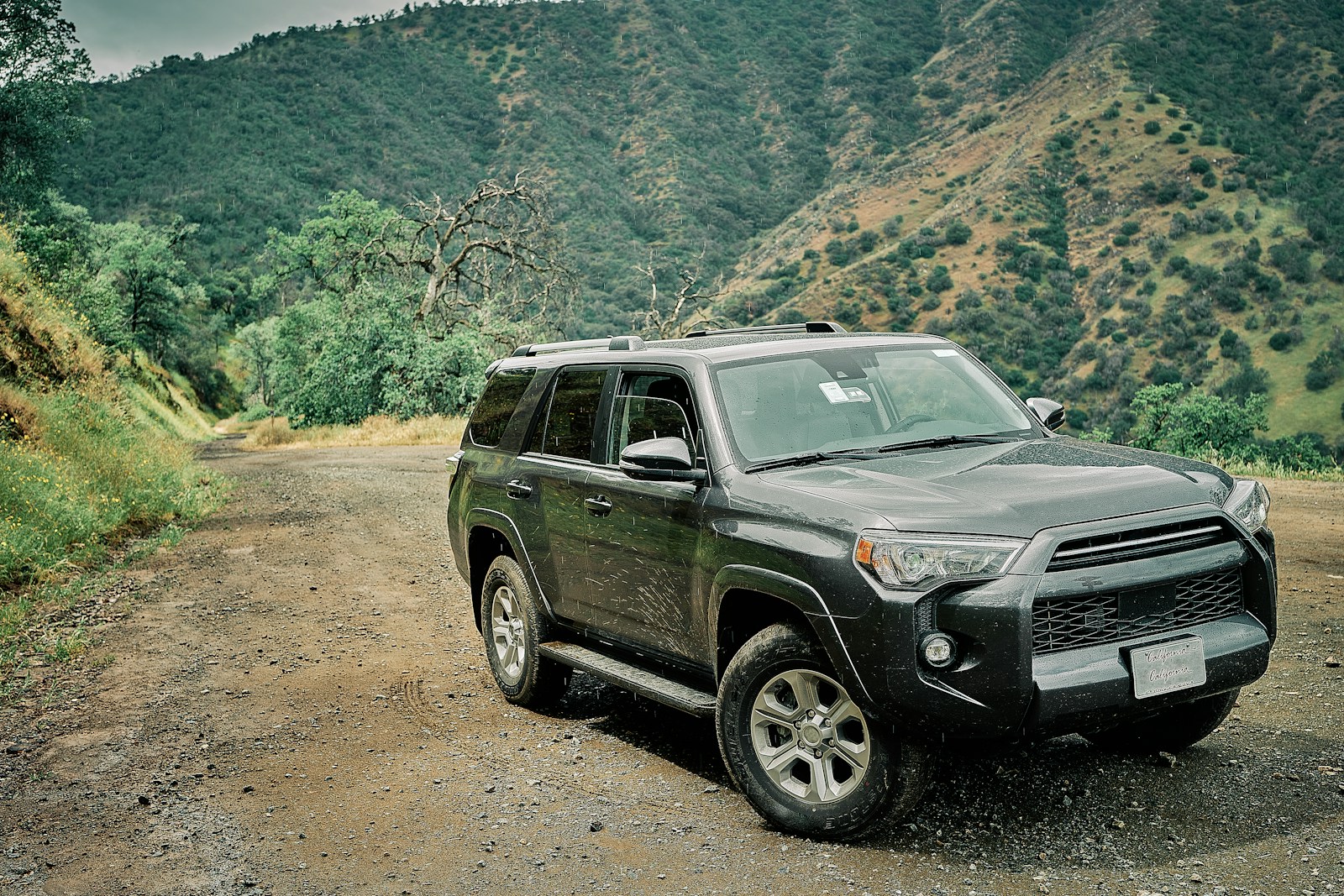

He’d been talking about it for months: a “nice little SUV” that sat higher off the road, didn’t creak when you turned, and wouldn’t leave him stranded in a grocery store parking lot with a trunk full of melting ice cream. The old sedan was on its last legs, and his kids were tired of getting texts that started with, “Don’t worry, but…”
So when his elderly dad finally said he’d found a place with “good people,” everyone exhaled a little. The dealership was one of those used-car lots on a busy road with bright flags whipping in the wind and oversized numbers taped to windshields. The salesman apparently told him exactly what he wanted to hear: safe, reliable, inspected, and “we take care of our seniors.”
He went alone on a Tuesday morning with his checkbook and that stubborn confidence older parents get when they’ve raised a whole family and don’t think they need a chaperone. He came home that afternoon with a mid-size SUV and a grin that looked equal parts proud and relieved. It took less than forty-eight hours for that grin to collapse into the kind of quiet embarrassment that makes people double down instead of asking for help.
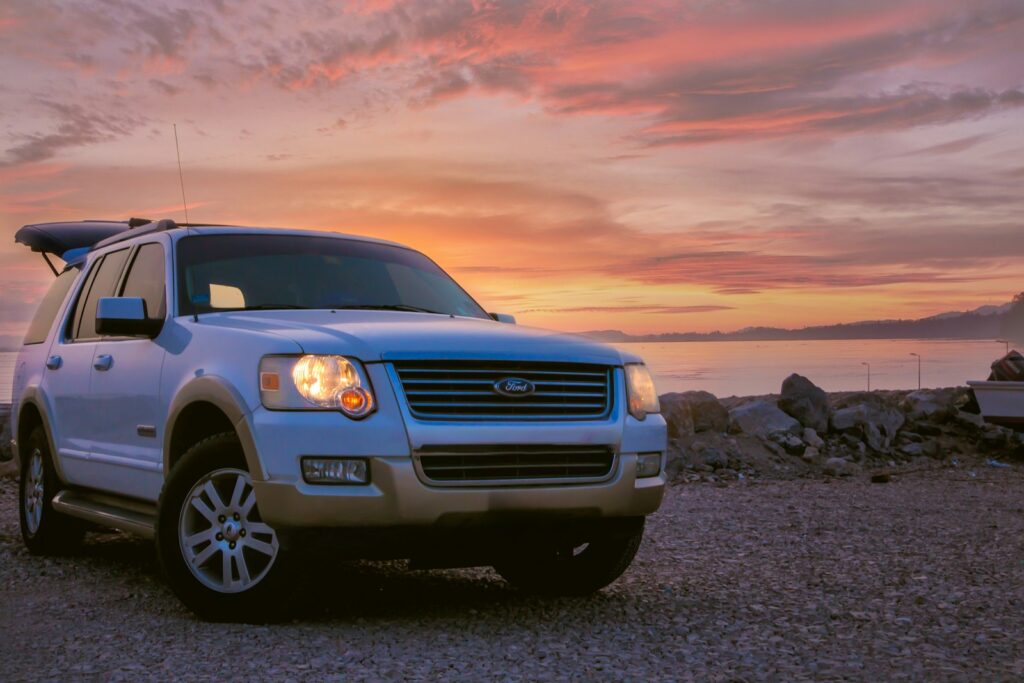
The “Safe, Reliable” Pitch
The salesman didn’t just sell him a car; he sold him a story. He walked him around the SUV pointing out the clean interior, the “smooth idle,” the way it “ran strong,” and how it was “perfect for someone who wants peace of mind.” He emphasized that it had been “checked out,” that it wasn’t like those sketchy auction cars, and that the lot wouldn’t put their name on something dangerous.
The dad asked the questions you’d expect: any accidents, any big issues, anything he should know. The salesman’s answers were quick and confident, the kind that don’t invite follow-ups. When the dad hesitated, the salesman turned it into a flattering thing—how smart he was for buying something safer, how this was “the kind of vehicle people keep for years.”
It helped that the SUV looked good at a glance. Freshly detailed, tires shiny, that “new car smell” trick that isn’t actually new car smell but does its job anyway. The dad didn’t crawl underneath it, didn’t bring a mechanic, didn’t even think to ask for a pre-purchase inspection because, in his mind, that’s what the dealership had already done.
The First Signs Something Was Off
The first weird moment happened on his way home. The steering felt “floaty,” like the wheel had a delay between turning and the car listening, but he chalked it up to not being used to an SUV. The next day, he noticed the front passenger door didn’t shut cleanly unless you lifted it a little as you closed it.
Then came the rain. Water pooled on the passenger-side floor mat like someone had left a window cracked, except the windows were up. By the time he admitted it to his kid, he was already defensive, insisting it was “probably just the weather stripping” and the dealer would fix it because “they said they stand behind it.”
When they popped the hood together, more little red flags appeared. Several bolts looked freshly disturbed, like someone had recently taken parts off and put them back in a hurry. Some plastic clips were missing, and a few panels didn’t line up quite right, the way something looks when it’s been reassembled instead of originally built that way.
The kid did what a lot of people do now: started Googling and poking around with a flashlight. Under the front end, there were scuffs and bent metal that didn’t match normal wear. Nothing screamed “totaled” at first glance, but it also didn’t scream “safe, reliable” the way it had been sold.
The Mechanic Visit That Changed Everything
The mechanic didn’t need much time. He drove it around the block, came back, and his face had that tight, professional neutrality that usually means he’s deciding how to explain something without starting a fight. Then he put it on the lift and started pointing with a gloved hand like he was teaching a class.
There was evidence of major front-end damage—crash damage, not curb damage. The frame alignment was off enough that it was wearing unevenly in places it shouldn’t, and there were signs of a rushed repair: mismatched parts, uneven welds, and a patchwork of “good enough” work hidden behind clean detailing. The mechanic said the kind of thing you never want to hear about a car your elderly parent just bought: “This isn’t just cosmetic. This is safety.”
It wasn’t one catastrophic issue; it was a pile of smaller ones that all pointed in the same direction. Airbag indicators that had likely been reset. A radiator support that didn’t look original. Measurements that suggested the SUV had been hit hard enough to shift things that were supposed to be straight for the life of the vehicle.
The dad’s reaction wasn’t anger at first—it was disbelief, then embarrassment. He kept trying to bargain with reality: maybe the mechanic was exaggerating, maybe it was older and “they all have something,” maybe the dealer would “make it right.” But his kid could see the way his shoulders dropped as the mechanic kept talking.
Back to the Lot: The Smile Disappears
They drove back to the dealership together, the SUV suddenly feeling less like a purchase and more like a trap. The same salesman who’d been all warmth and reassurance earlier in the week came out with a different energy. He looked at the dad, then at the adult kid standing beside him, and his expression tightened like he’d just realized this wasn’t going to be a polite conversation.
The kid explained what the mechanic found, trying to keep it factual. Frame issues, evidence of significant collision repair, safety concerns, and the fact that the dad had been told it was safe and reliable. The dad stood there, quieter than usual, holding the paperwork in both hands like it might protect him if he kept it neatly folded.
The salesman didn’t apologize. He didn’t even sound surprised. He asked where they took it, scoffed at the idea that a third-party mechanic’s opinion meant anything, and started speaking in that practiced, dismissive way that makes it clear he’s not negotiating—he’s trying to end the conversation.
They asked about returns. The salesman pointed at the contract language and the “as-is” section like it was a magic spell. He offered to “take a look” at it if they left it there, but he wouldn’t talk buy-back, and he definitely wouldn’t talk refund.
That’s when the dad said, quietly, “You told me it was safe.” And the salesman, now annoyed, snapped back with the line that stuck like a hook: he told the dad he should’ve brought someone who knew better.
The Fallout: Anger, Shame, and a Paper Wall
The kid’s anger arrived fast and hot, because the insult wasn’t just rude—it was surgical. It painted the dad as naive, put the blame on him for trusting a professional, and reframed the dealer’s role as if he’d been doing the dad a favor. The dad didn’t yell; he just looked smaller, like he’d been scolded in public.
They asked to speak to a manager, and the manager came out with the same playbook, just smoother. He repeated “as-is” and said they couldn’t be responsible for “opinions,” and suggested the mechanic was trying to drum up business. He offered a vague promise to “inspect it” themselves, which sounded a lot like, “Leave it with us and we’ll decide what story we want to tell.”
On the drive home, the SUV felt louder. Every rattle and pull in the steering wheel took on a new meaning, like the car was confessing. The dad stared straight ahead, quiet, and when his kid started talking about calling the state consumer office or a lawyer, he flinched at the idea of conflict, then nodded anyway, like he knew avoiding it hadn’t worked.
Now they were stuck in that miserable in-between: the paperwork said one thing, the vehicle condition said another, and the dealer was acting like the entire concept of responsibility was optional. The kid started collecting documents—mechanic notes, photos under the chassis, the listing language, anything that proved “safe and reliable” wasn’t just implied but actively promised. The dad, meanwhile, kept replaying the salesman’s comment, not even the legal stuff—just that smug little “should’ve brought someone” dagger.
The worst part wasn’t even the money, though the money mattered. It was that the dad had tried to do something responsible—buy something safer—and got punished for trusting the wrong person. And sitting there with a wrecked SUV in the driveway and a dealer daring them to prove anything, the kid couldn’t shake the feeling that the salesman’s real bet was simple: that an elderly man would be too embarrassed to fight, and that everyone else would be too busy to keep pushing once the anger cooled.
More from Steel Horse Rides: