
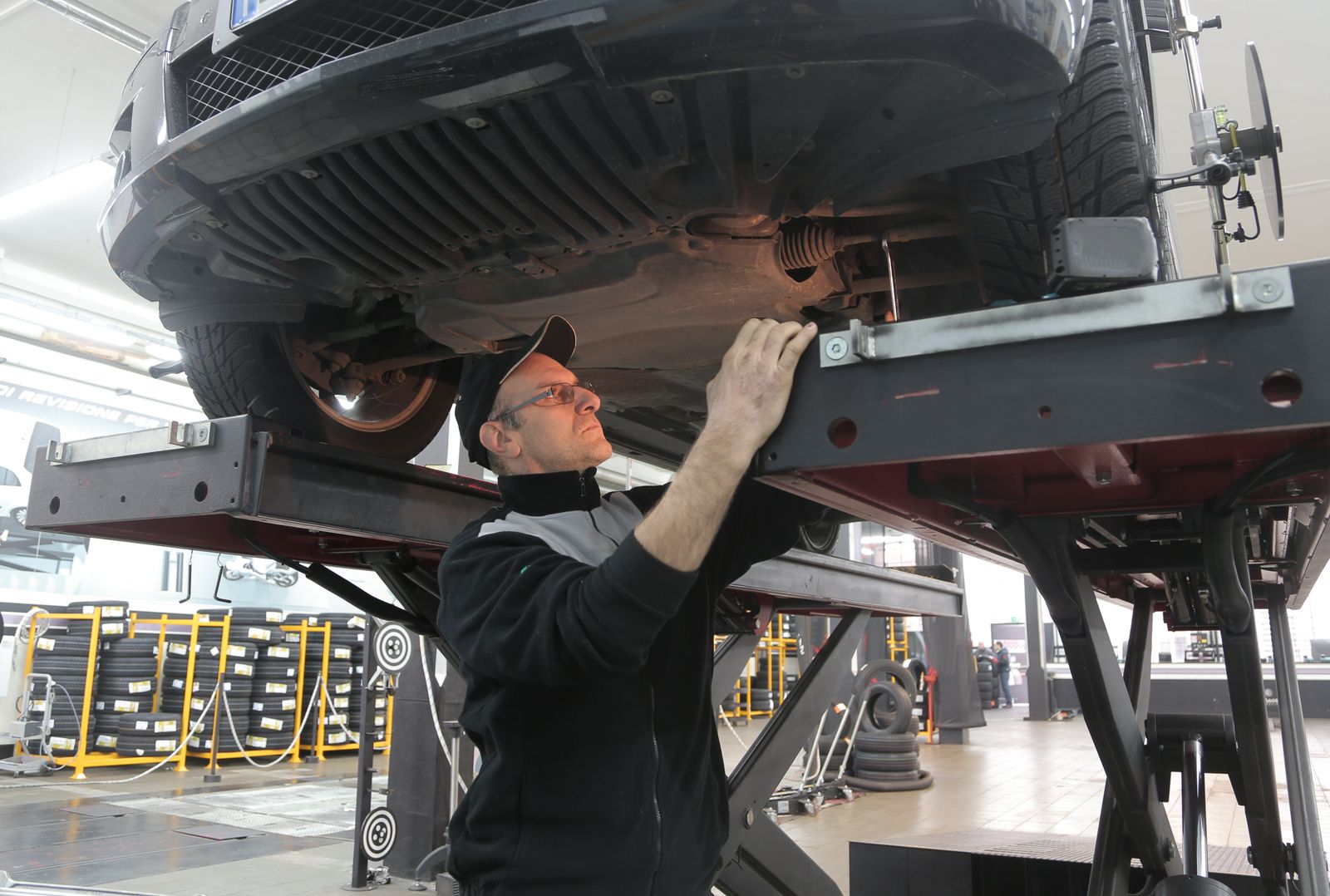

He only meant to be without his car for an afternoon. Drop it off, grab a coffee, wander a thrift store, come back when they texted. The whole thing was supposed to be boring—one of those annoying-but-routine errands you forget about the second it’s done.
The car was a mid-2010s sedan, nothing fancy, but it was his ride to work and his only real freedom in a town where “public transit” meant a bus that showed up when it felt like it. The issue sounded small: a grinding noise when he braked hard, plus a check engine light that had been winking on and off for a week. He picked a repair shop close to his apartment because it had decent ratings and, more importantly, it could get him in the same day.
At the counter, he was careful about one thing: no surprises. He asked for a diagnostic and a quote before any real work started, the way people do after they’ve been burned once. The guy behind the desk nodded like this was the most normal request in the world, tapped at a keyboard, and handed him a carbon copy work order that basically said “inspect, call customer.” He signed, left his number twice, and walked out feeling like he’d done everything right.
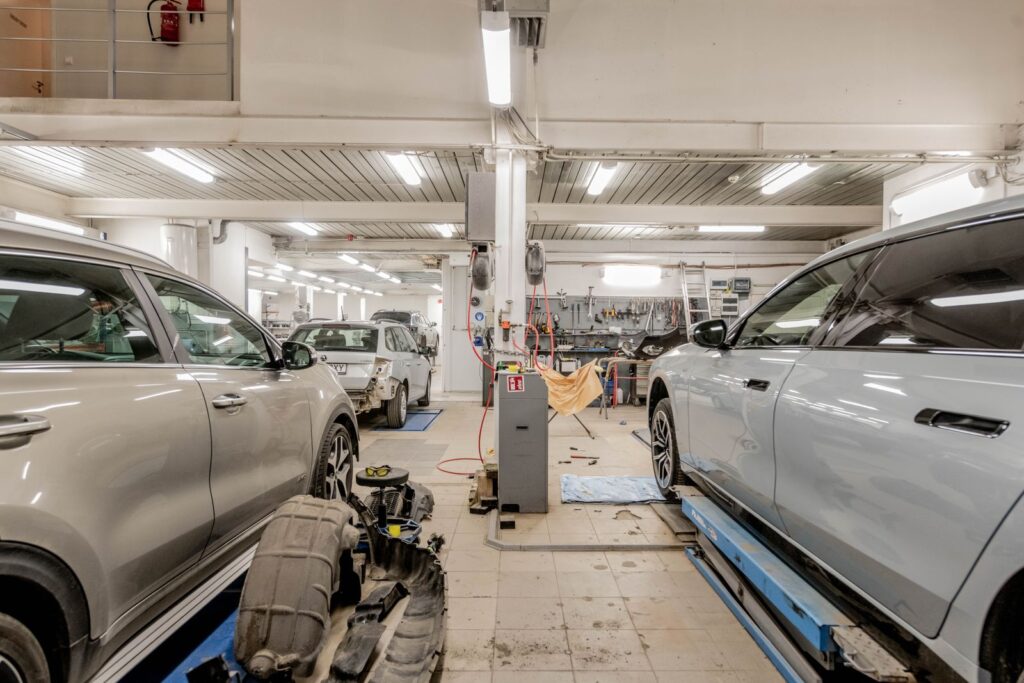
The “quick look” that turned into a full bill
Hours passed with no call. Around mid-afternoon, he checked his phone a few times, then finally rang the shop himself, trying to sound casual about it. The person who answered put him on hold, came back, and said they were “still looking” but would call soon.
When he showed up near closing anyway—because he needed the car for a morning shift—the vibe was immediately off. The same counter guy didn’t do the usual “Yep, we’re wrapping up” routine. Instead he said, like it was no big deal, that the car was “already done” and he could settle up.
The number he was shown didn’t look like a diagnostic fee plus a quote. It was a full repair invoice with parts and labor stacked like pancakes: new pads and rotors, a caliper, an oil change, a coolant flush, and a line for “engine code resolution.” He stared at it, waiting for the punchline, but the guy just held the paper there with a pen like, well, are you paying or what.
He said the obvious thing: he never approved any of this. He hadn’t gotten a call, a text, an email—nothing. The counter guy gave a shrug that wasn’t quite rude, but it wasn’t apologetic either, like this happened a lot and customers always tried to pretend it didn’t.
“We had to do it” and other magical phrases
The shop’s explanation came out in pieces. They claimed the brakes were “unsafe,” which meant they “couldn’t let it leave” without fixing them. They said the coolant looked “contaminated,” so it was “recommended” to flush it. The oil change, apparently, was because “it was due,” said in the tone of someone reminding him to drink water.
He kept circling back to the same point: nobody asked. The work order he signed was for inspection and a call. If the brakes were truly unsafe, he would’ve approved the repair or had it towed elsewhere, but that decision should’ve been his.
The counter guy’s patience thinned fast. He started talking about how they’d already ordered parts and put in the labor, and they weren’t “eating that” because the customer didn’t “understand what he signed.” At that, the customer pulled out his copy of the work order and slid it across the counter, tapping the part that said they’d contact him first.
For a second, there was this quiet, uncomfortable pause where you could almost hear the fluorescent lights humming. The counter guy looked at the paper, didn’t really read it, and pushed it back like it was irrelevant. Then he said, “Look, the car’s fixed. You can’t take it without paying.”
When the keys became leverage
That’s when it turned from a dispute into a hostage situation. The customer asked for his keys anyway, figuring he could at least get his personal stuff out, maybe leave the car and fight the bill later. The counter guy said the keys were “in the back” and he’d get them after payment was processed.
The customer asked to speak to a manager. The counter guy said the manager wasn’t there, but he could “leave a message” and someone would call him tomorrow. Tomorrow was useless; the customer needed the car now, and he wasn’t going to fork over a huge amount of money on the spot for work he hadn’t approved.
He tried to stay calm, but you can picture the way his voice probably got tight around the edges. Other customers were waiting behind him, pretending not to listen while definitely listening. The counter guy leaned into a firm, practiced tone, repeating that the shop had a lien for work performed and they were allowed to hold the vehicle until the bill was paid.
The customer pointed out that the lien argument assumes authorized work. The shop had skipped the “authorization” part, which is kind of the whole spine of the situation. That’s when the counter guy’s face shifted into something sharper and he said, “If you wanna make a big deal, call whoever you want.”
“Call the police, your bill goes up”
He took that as permission, pulled out his phone, and said he was calling the police because the shop was refusing to release his car. The counter guy’s response wasn’t “go ahead”—it was a warning. He told him, plainly, that calling the police would only make the bill higher.
Not “there could be additional fees.” Not “we’ll have to charge storage if it stays overnight.” Higher, because he called the police. The customer paused mid-dial, because it’s a weird thing to hear out loud, like someone accidentally admitting the quiet part.
The counter guy clarified in a way that somehow made it worse. If the police showed up, he said, the shop would “have to document everything,” there would be “administrative time,” and they’d add charges for it. He said it with this cool confidence, like it was as normal as charging shop supplies.
The customer asked for that in writing—if the bill was going to increase because he contacted law enforcement, he wanted it stated on the invoice. The counter guy didn’t bite. He just repeated the line about how they could hold the car, and if the customer wanted to “waste everyone’s time,” that was on him.
The stalemate in a parking lot full of closing time
By now the shop was inching toward closing. The lights in the waiting area felt harsher, the kind of brightness that makes everyone look tired and slightly guilty. The customer stepped to the side, called the non-emergency line, and explained what was happening in that careful, clipped way people do when they’re trying not to sound emotional.
While he waited, the counter guy vanished into the back and reappeared with a different energy, suddenly more polite. He said they could “work something out” if the customer would just “stop escalating.” The offer wasn’t clear—maybe knock off a line item, maybe “discount” the labor—but it was framed like a favor, not a correction.
The customer asked again for his keys, at least to get his belongings. This time the counter guy said he could get them, but only with an employee escort, like the customer was a suspect. They walked him out to the car together, and the customer grabbed his backpack and a phone charger, trying to keep his hands visible and movements slow, because the whole thing had taken on this weird, tense formality.
When the customer returned inside, the counter guy had the invoice out again, pen poised, waiting for a signature. The customer refused. He said he’d pay the diagnostic fee he originally agreed to, and if they wanted to negotiate the brake work, fine, but everything else was unauthorized and he wasn’t signing a thing that treated it like his idea.
The counter guy’s last move was to repeat the threat in softer language: if the car stayed, there would be storage. If the police came, it would “get complicated.” And if the customer left without resolving it tonight, the shop would “have to protect itself.” The customer stood there in the fluorescent buzz, realizing the shop was betting on exhaustion—on the simple math of needing a car more than he needed to be right.
When he finally walked back out into the parking lot, it wasn’t with his keys. It was with the kind of anger that doesn’t burn hot so much as it sits heavy, because it’s mixed with logistics and dread. He could already see tomorrow: borrowing rides, missing work, calling managers who “weren’t there,” and watching the bill hover like a dare—pay up, or keep fighting while your car stays locked behind someone else’s counter.