


When Grandpa died, the family did what families always do: they divided up sentimental items like they were drafting for an emotional fantasy league. Someone took the watch. Someone took the photo albums. Someone else claimed the old fishing gear with the broken reels because “that’s what he’d want.”
The car, though—Grandpa’s car—was treated differently. It wasn’t just a thing. It was a symbol, the kind people point at during holidays and say, “Remember when he drove us all to the lake in that?” It was also, unfortunately, a real-world object made of metal, paperwork, and ongoing expenses, and it landed in one person’s lap: his grandchild, the one who lived closest and had a driveway.
At first, it sounded like an honor. Everyone agreed the grandchild would “hold onto it for now,” just until the estate stuff calmed down and the family could decide what to do. The problem was that “for now” lasted about two weeks before the first bill arrived, and the sentimental group chat went silent the moment money got involved.
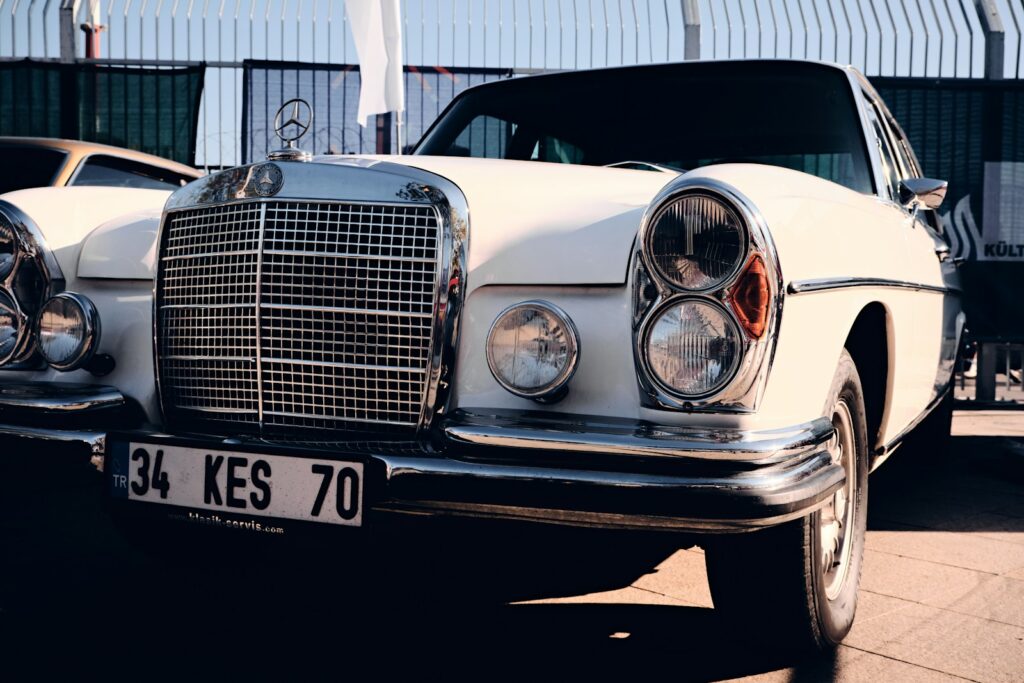
The “temporary” driveway arrangement turns into a slow bleed
The grandchild didn’t even get a clean handoff. The car came with a foggy title situation, expired registration, and keys that seemed to live in three different places at once. It sat in their driveway like a quiet, expensive responsibility while relatives texted heart emojis and asked for pictures of it “so we can remember.”
Then came the basics: storage, insurance, and taxes. The family had insisted it couldn’t just sit uninsured, because “what if something happens,” but nobody wanted their name on the policy or their bank account tied to it. Every suggestion that the costs should be shared got met with vague reassurance—“We’ll figure it out soon”—followed by quick pivots back to nostalgia.
Meanwhile, the city didn’t care about anyone’s feelings. The grandchild started getting notices about an unregistered vehicle. A neighbor complained it looked “abandoned,” which was humiliating in a suburban, HOA-adjacent kind of way. The car wasn’t a shrine; it was a logistical problem growing teeth.
Everybody wants the car… just not the bills
The first time the grandchild asked for help, they tried to be polite about it. They floated a monthly split for insurance and a plan to chip in for a storage unit if the driveway situation bothered everyone. The responses came back like a chorus of reasons: one aunt was “tight right now,” a cousin was “between jobs,” and someone else said they’d help “when we sell Grandpa’s old tools.”
Then the repair estimates started. The car ran, technically, but it ran like it had learned to limp out of spite. It needed new tires, a battery that wasn’t ancient, and a small list of fixes that turned “just keep it safe” into a four-figure conversation.
The family’s energy shifted into brainstorming mode, which sounds helpful until you realize brainstorming is what people do when they want to feel involved without committing to anything. One person suggested the grandchild start it once a week. Another suggested they “drive it around the block” to keep fluids moving. Someone else proposed a rotation—different family members could “take turns keeping it”—but the moment the grandchild asked who wanted to be first, the idea evaporated.
When the grandchild pointed out that taxes and registration were coming due, the most common reply was some version of, “Don’t pay anything yet, we’ll decide soon.” It was a magical thinking strategy: if nobody decided, nobody owed. Except the grandchild was the one getting the notices, the one whose driveway it occupied, and the one who’d be dealing with the fallout if it got towed.
The “just sell it then” comment that didn’t mean “actually sell it”
The breaking point wasn’t even the biggest bill. It was a casual comment during a family dinner where the car got brought up the way it always did—half memorial, half debate. After a long stretch of everyone throwing out dreamy ideas (restore it, keep it in the family, maybe a cousin’s kid could have it someday), the grandchild finally said, clearly, that they couldn’t keep paying to hold it indefinitely.
One uncle, irritated by the tone, shrugged and said, “If it’s such a big deal, just sell it.” The table went quiet for a second, like everyone heard the words but no one wanted to accept what they meant. The grandchild asked, directly, if that was what the family wanted, and the uncle did that thing people do when they want credit for decisiveness but no responsibility for consequences: he repeated it, louder, like it was obvious.
So the grandchild took him at his word. Not out of spite, not dramatically. They just did the one thing nobody else was willing to do: act.
Over the next couple weeks, they handled the paperwork, got the car detailed enough to not look like a driveway relic, and took it to a couple places to see what it was worth. They sold it for a decent price—not “classic car jackpot” money, but enough to cover what they’d already spent and then some. They put the receipts in a folder, because they could already smell the argument coming.
The family finds out, and the narrative flips overnight
The grandchild didn’t announce the sale with fireworks. They told the immediate family in a straightforward message: the car was sold, the expenses were documented, and they were holding the remainder of the money until the estate settled. The reaction wasn’t relief. It was fury.
Suddenly, the uncle’s “just sell it” turned into “I didn’t mean like that.” People who hadn’t offered a dime started talking like they’d lost a limb. An aunt said it was “greedy” to sell something so meaningful. A cousin accused the grandchild of “cashing in on Grandpa,” as if the car had been a lottery ticket and not a money pit with a title problem.
The most infuriating part wasn’t even the name-calling. It was how quickly everyone rewrote the past to make the grandchild the villain. The family started speaking as if the car had been a shared treasure the grandchild selfishly hoarded, when the reality was that nobody wanted to share the work or the cost of keeping it.
When the grandchild reminded them—calmly at first—that they’d asked for help with storage, repairs, insurance, and taxes, the responses got slippery. People claimed they “never saw” the messages. Someone said they thought the grandchild “wanted to keep it.” Another said, “You should’ve been patient,” which is the kind of advice that’s easy to give when your driveway is empty.
Receipts, resentment, and the fight over what’s “fair”
Once the argument started, it stopped being about the car and turned into a referendum on character. The family didn’t want to discuss costs; they wanted to discuss loyalty. They wanted the grandchild to feel guilty enough to hand over the money without questions.
The grandchild, for their part, did what exhausted people do when they’re being accused unfairly: they brought out the receipts. Screenshots of the group chat where they asked for help. The insurance quotes. The repair estimate. The notices about registration and potential towing. A list of what they’d already paid, with dates, because this wasn’t a vibe-based decision; it was a ledger.
That didn’t end the fight. It just changed the flavor of it. Instead of “You’re greedy,” it became “Why are you being so transactional?” as if tracking expenses was the moral failing, not abandoning someone with the costs and then demanding the profits.
The grandchild offered a compromise anyway: reimburse them for what they’d paid, then the remaining money could be treated as part of the estate. That’s when the hypocrisy really showed. The relatives who’d screamed about fairness didn’t want an accounting. They wanted the grandchild to eat the expenses quietly and hand over the sale money loudly.
By the time the dust started to settle, the family had split into camps that didn’t quite match the expected alliances. A couple people admitted—privately—that the grandchild had been stuck in an impossible spot. Others doubled down and acted like the car had been “stolen,” despite the fact that they’d refused every opportunity to take responsibility for it.
And that’s where it stayed: a dead man’s car turned into a live grenade nobody wanted to hold. The grandchild wasn’t celebrating, and they weren’t even sure they’d “won” anything besides the right to stop hemorrhaging money. What lingered was the ugly realization that in this family, love was something everyone claimed loudly—until it came with storage fees, repair bills, insurance premiums, and taxes, at which point the only thing they wanted to inherit was the story that made them look blameless.
More from Steel Horse Rides: