
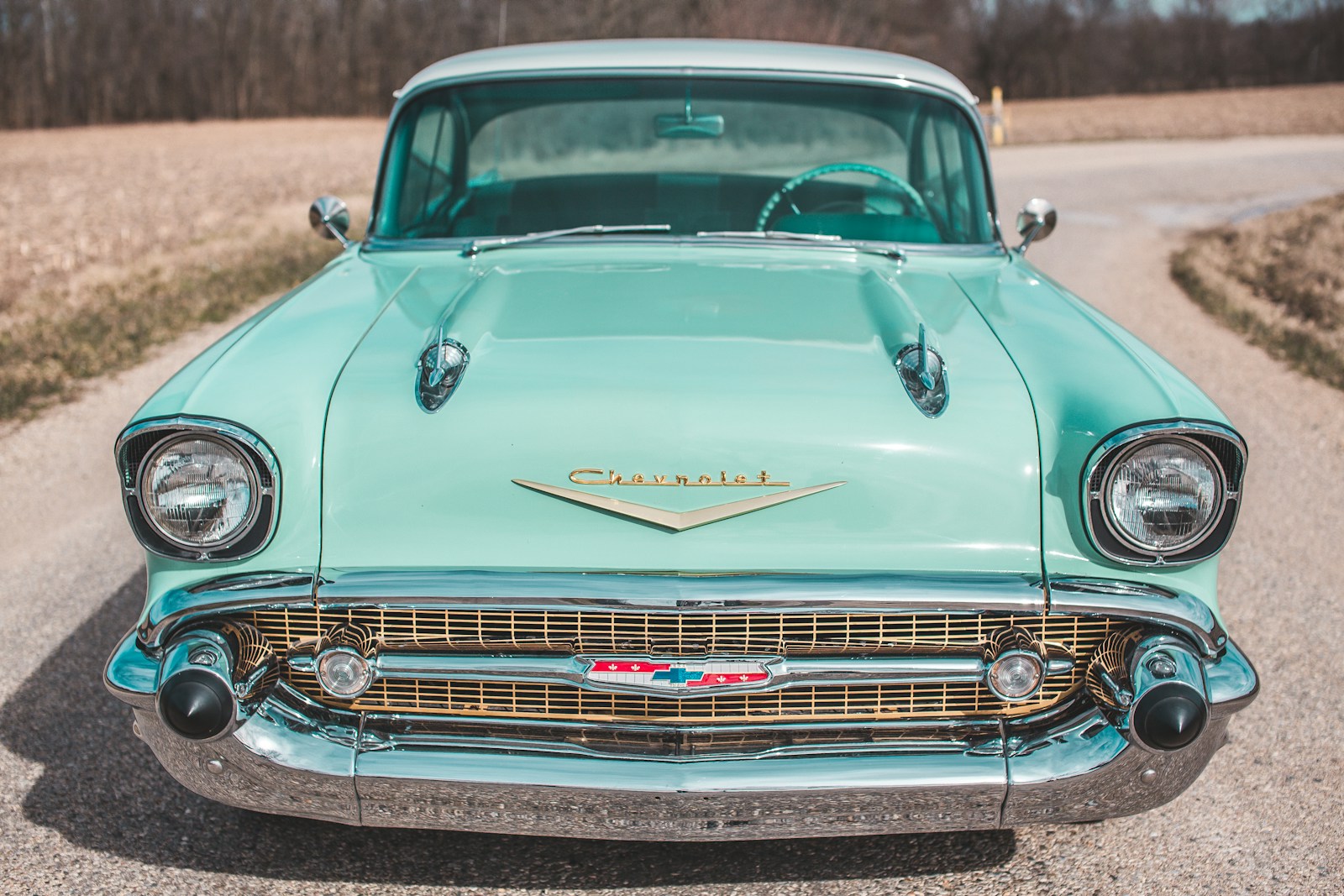

He’d barely hit “publish” on the listing before his phone started doing that steady, needy buzz that tells you you’ve priced something just right. Not “too low, you’ll get robbed,” but “low enough to get attention, high enough that serious people will still show up.” The car was a classic—late-60s American muscle, straight body, deep paint, tasteful stance, and a build sheet long enough to make a parts catalog blush.
He wasn’t flipping a barn find or unloading a project he’d lost interest in. This thing was his weekend ritual for years: evenings in the garage, skinned knuckles, the smell of fuel and polish, the quiet satisfaction of doing it correctly even when nobody was watching. The price reflected that—full, fair market for a clean, sorted driver with quality work and receipts.
By early afternoon, one message thread already had a tone. You know the kind: a guy who doesn’t ask questions so much as he tests boundaries, pecking at the listing like it’s a weak spot he can pry open. He wanted to come “take a look today,” and he made a point of saying he had “cash” like that alone was supposed to make the seller grateful.
The Listing That Didn’t Apologize
The seller had written the ad like someone who’s tired of tire-kickers. Photos in daylight, underside shots, close-ups of welds and paint lines, engine bay, interior, even the trunk. He listed the work plainly: rebuilt motor with break-in miles, upgraded cooling, new suspension components, refreshed wiring, clean title in his name, and a binder of receipts.
He also did the little things buyers claim they want but rarely get: he admitted the one flaw. A small crack in the dash, the kind that comes with age and sun, and a slightly sticky window that needed a new regulator. It was honest, not apologetic, and it set the tone that this wasn’t a desperation sale.
The lowballer—let’s call him Trent, because he gave off that vibe—responded like the ad itself had offended him. He didn’t ask about the engine builder or the gear ratio. He went straight to, “How firm are you on the price?” and then followed it with, “I’ve seen these go for way less.”
The “Cash Buyer” Arrives With an Attitude
Trent showed up late, in a modern truck that looked like it had never hauled anything heavier than a gym bag. He got out wearing mirrored sunglasses, glanced at the car for two seconds, and immediately started acting like the seller was on an interview. No handshake, no “thanks for meeting,” just a slow lap around the car like he was hunting for crime scene evidence.
At first, the seller played it polite. He popped the hood, pointed out the new hoses, the clean routing, the fresh gaskets. Trent leaned in and made a face, not because anything was wrong, but because he wanted the seller to feel like something might be wrong.
Then the little comments started. “Huh. You did the headers like that?” followed by, “I mean, it’s… fine, I guess, but not how I would’ve done it.” He said it the way people talk about a haircut they hate but don’t have the guts to own.
When the seller offered a test drive, Trent insisted on driving first, which is always a small red flag when it comes with zero rapport. He lugged the engine a bit, stabbed the brakes too hard like he wanted to feel something “wrong,” and then complained about the steering being “too tight,” as if that was a defect. Back at the driveway, he got out and did the classic move: sighing like the car was a burden he might heroically agree to take on.
The Lowball and the Insult Combo Meal
Trent finally got to what he came for. He stood with his arms crossed and said, “Look, I’ll be real with you. Your price is… optimistic.” The seller didn’t bite; he just waited, because anyone who opens with that is about to swing low.
Trent named a number that wasn’t negotiation, it was a dare. It was thousands under asking—low enough that it basically implied the seller had priced the car as a joke. He tried to soften it by saying he was “saving the seller the hassle” of waiting for “some dreamer” to come along.
The seller asked him, calmly, how he arrived at that number. Trent shrugged and said, “It’s not like it’s matching numbers. The paint isn’t perfect. And honestly, the build is kind of… amateur.” That last word hung there, not as an observation, but as a deliberate little knife.
There’s a difference between a buyer pointing out flaws and a buyer trying to make you feel embarrassed for liking your own car. Trent was doing the second thing. The seller didn’t raise his voice—he just said, “I’m going to pass,” and started closing the hood.
The Part Where He Can’t Handle “No”
Trent didn’t leave. He pivoted into bargaining like the refusal was just step one. “Alright, alright, what if I come up a little?” he said, as if he was doing the seller a favor by upgrading the insult.
The seller told him again: no. He said he wasn’t in a rush, he had other inquiries, and he wasn’t going to entertain offers that started that far below asking. That should’ve been the end of it—awkward, sure, but clean.
Instead, Trent got personal. He started talking about how “guys like you” always think their car is worth more because of “sentimental garage time.” He tossed in, “I’m trying to help you out,” which is what people say when they want you to accept disrespect as kindness.
The seller finally got blunt. He told him, “You’re not helping me, and you’re not buying it. Please head out.” Trent stood there for a beat, like his brain was buffering on the idea that his presence wasn’t automatically leverage.
As he walked back to his truck, he fired off one last shot: “Good luck getting your fantasy price.” Then he peeled out just enough to make a point, kicking a little gravel like a teenager. The seller watched him go, then went inside and muted the thread before he said something that would make screenshots later.
Someone Else Shows Up With the Exact Amount
That evening, another buyer messaged. Different tone immediately: a couple of specific questions about the carb setup, a request for a cold-start video, and a straightforward, “If everything checks out, I can come tomorrow morning.” The seller sent the video, answered the questions, and set a time.
At 9 a.m. the next day, the second buyer arrived with a friend and a trailer. They walked around the car like normal people—no dramatic sighs, no peacocking. The buyer pointed at a couple of tiny paint imperfections the seller had already disclosed and nodded, like, “Yep, that tracks.”
They did a test drive with the seller in the passenger seat, listened to the motor, checked for leaks, and looked through the receipts. The buyer didn’t pretend he was rescuing the seller from his own delusion. When they got back, he said, “I’m good with your number,” and started counting out the deposit without the little theater performance.
Paperwork took maybe twenty minutes. The seller watched the car roll up onto the trailer, strapped down carefully like it mattered, because it did. He felt that weird mix of relief and sadness, the kind you only get when something leaves your life cleanly instead of being yanked out.
The Meltdown Texts Start Hitting Like Popcorn
By late morning, Trent resurfaced. He messaged, “I can do my offer today if you still have it,” like yesterday hadn’t happened and his number hadn’t been an insult. The seller replied once, short and polite: “Sold this morning. Take care.”
That should’ve been a dead end. It was not. Trent immediately shot back with, “No you didn’t,” which is a wild thing to say to someone who just sold a car, as if denial could reverse a bill of sale.
Then the tone flipped from dismissive to furious. Trent accused him of lying, of “using him to bait other buyers,” of “wasting his time,” even though Trent was the one who showed up late, trashed the build, and tried to strong-arm a price cut. He demanded to know what it sold for, like he was entitled to the closing numbers.
The seller didn’t answer, because there wasn’t anything to answer. That silence made Trent spiral harder; he started sending paragraphs about how the car “wasn’t worth it anyway,” followed by, “You’ll regret it,” followed by, “I would’ve been the easiest sale you ever had.” It was the textual equivalent of someone walking away while still trying to win the argument from the sidewalk.
Hours later, Trent sent one last message: “If it falls through, call me. I’ll still take it, but not at that price.” The seller stared at that line for a second, the sheer confidence of it, and then blocked the number. Not out of pettiness—out of basic sanity.
What stuck with him wasn’t the low offer. People shoot their shot; fine. It was how Trent seemed personally offended that the seller didn’t accept humiliation as part of the deal, and then couldn’t emotionally process the idea that someone else showed up, respected the work, and paid the number without a performance. Even with the car gone and the money in the bank, the weird part lingered: Trent wasn’t mad he missed out—he was mad he didn’t get to be the one who “won.”
More from Steel Horse Rides: