

When he bought into the neighborhood, he knew what the deal was: tidy lawns, matching mailboxes, and an HOA that loved a clipboard more than it loved people. He didn’t even hate that part. He liked that the street stayed quiet, the sidewalks stayed clear, and nobody turned their front yard into a used appliance museum.
His one “flaw,” at least on paper, was a faded old pickup he’d kept running for years. It wasn’t a show truck, but it wasn’t a junker either—no busted windows, no leaking fluids, no flat tires sinking into the asphalt. It was just… older, sun-faded, a little scratched, and clearly owned by someone who used it for work.
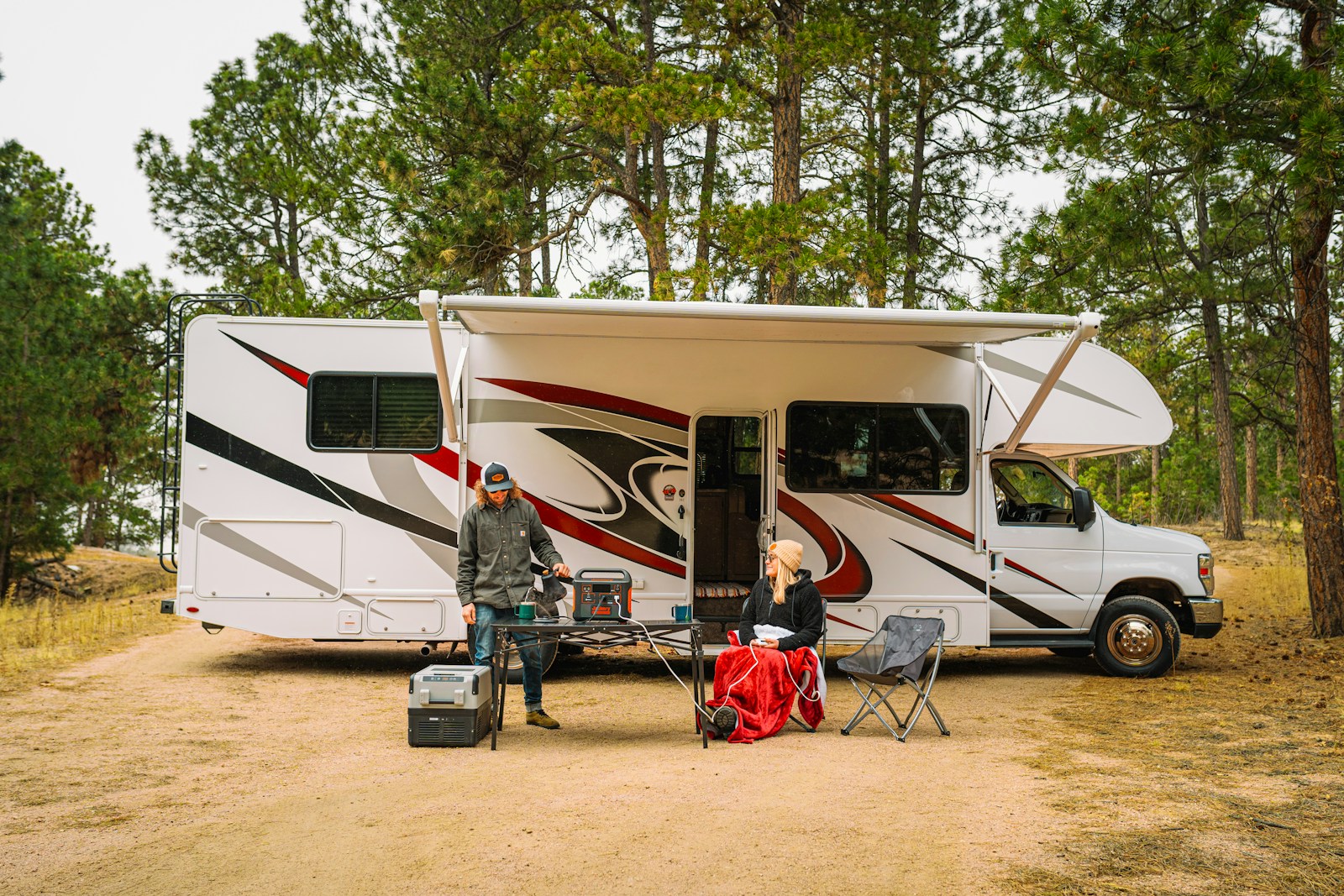
Then his neighbor—two houses down, the one who always waved like they were running for mayor—rolled in with a giant RV that looked like it belonged on a reality show about people escaping their desk jobs. And somehow, that RV got approved.
The RV That Didn’t “Count” as a Problem
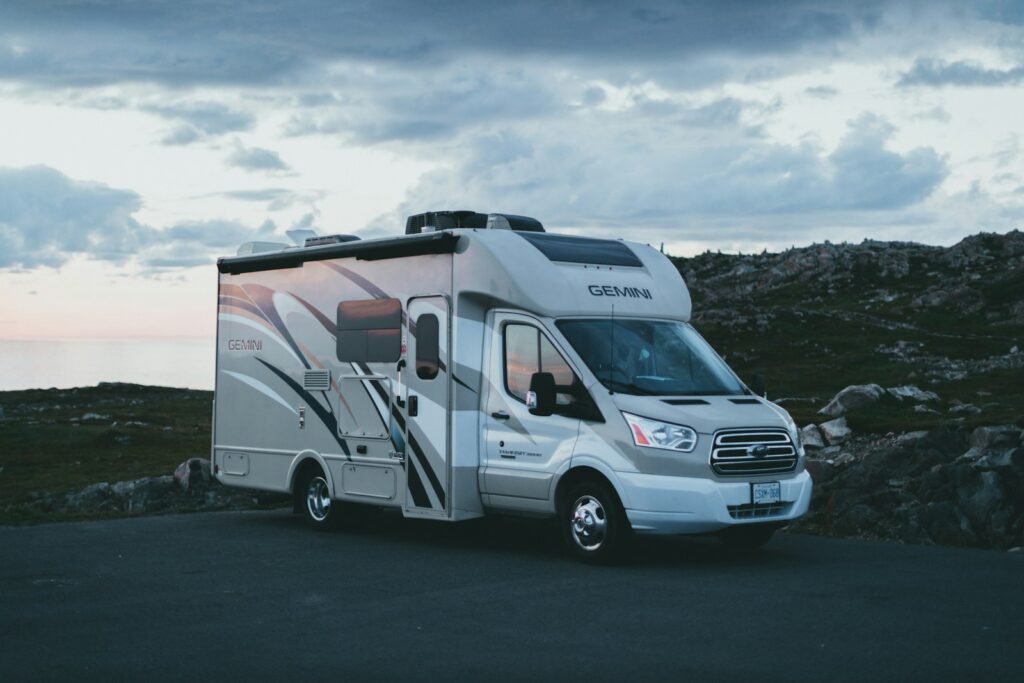
The RV arrived on a Saturday morning, loud in the way big things are loud even when they’re quiet. It blocked sight lines, hung over the curb, and turned the street into a narrow little chute where everyone suddenly drove like they were threading a needle. The homeowner watched it settle into the driveway like it planned to stay forever.
What made it weird was the timing. The HOA had been sending reminders about “community standards” and “maintaining curb appeal,” the kind of emails with too many bolded words and exclamation points. A vehicle that big felt like the exact thing those emails were warning about, yet nobody from the board came marching out with a measuring tape.
He asked around casually, like he was just making conversation. Another neighbor said, “Oh, they got it approved. Architectural review, temporary parking, whatever.” The way it was said—light, shruggy—made it sound like approvals were easy if you knew how to ask the right way.
So he did what any reasonable person would do: he looked up the rules. The HOA’s documents had whole sections about “recreational vehicles,” “commercial vehicles,” and how long anything larger than a regular car could be visible from the street. The language was squishy, full of phrases like “at the discretion of the board,” but it still read like the RV should’ve been a problem.
The Fine That Arrived Like a Dare
A week later, a letter showed up in his mailbox with the HOA’s logo and that thin, official vibe that makes your stomach drop before you even open it. It wasn’t about the RV. It was about his pickup.
“Violation of parking/vehicle appearance standards,” it said, with a photo attached like evidence in a trial. The truck was parked in his own driveway, exactly where it had been for years, and the HOA had labeled it a “nuisance vehicle.” The reason was the kind of sentence that makes you reread it just to make sure you didn’t hallucinate it: the truck “looks like someone works here.”
It wasn’t cited as inoperable, not as leaking, not as abandoned. The complaint was aesthetic, and the implication was personal. The fine was a few hundred bucks, with a warning that additional penalties would accumulate daily if the issue wasn’t “cured.”
He walked outside and stared at the truck like it had betrayed him. Same faded paint, same ladder rack he used on weekends, same dents he’d stopped caring about once the thing proved it would run forever. Meanwhile, down the street, that RV sat like a billboard.
“That’s Different”: The HOA’s Favorite Phrase
He called the management company first, because that’s usually the only human you can reach without writing a letter to a P.O. box. The woman on the phone spoke in that rehearsed calm tone, the one that sounds polite but not helpful. She told him the board had received “concerns” about the truck’s appearance.
He asked, very plainly, why the RV wasn’t considered a concern. The answer came out smooth, like she’d said it before: “That’s different. They have an approval on file.” As if that ended the conversation.
He asked what approval his neighbor had, and what criteria were used, because he wanted the same process applied to him. The response was vague—board discretion, case-by-case, community harmony. When he pushed on the “looks like someone works here” line, she pivoted hard into the idea of “commercial appearance,” even though the truck didn’t have a company logo and wasn’t parked on the street.
That’s when it started feeling less like a rules issue and more like a vibe check. A shiny RV screamed “leisure” and “vacation.” A beat-up pickup suggested someone might wear boots and come home tired, and apparently that was the true offense.
He emailed the board with photos: his truck from multiple angles, clean driveway, no debris, no leaking, registration current. He included screenshots from the HOA guidelines and asked which clause he was violating. The only reply he got was a short line about “maintaining neighborhood standards” and a reminder that fines would continue if it wasn’t resolved.
The Awkward Conversation Two Houses Down
At this point, he did the thing people hate doing in HOA neighborhoods: he talked directly to the neighbor. He walked down, waited for a moment when the neighbor was outside, and asked—carefully—how they got the RV approved. He didn’t accuse; he just asked like he wanted to understand the process.
The neighbor was friendly, but the friendliness had an edge to it, like someone smiling while they close a door. They said they submitted a request and the board “totally understood” because they were “just storing it” and “it’s temporary.” Temporary, though, was already stretching into the second week, and the RV looked settled.
When he mentioned the fine, the neighbor’s expression flickered. Not sympathy, exactly—more like annoyance that his problem had entered their orbit. They gave him a little lecture about how the HOA was “just trying to keep things nice,” and how “those work trucks” can make a place look “busy.”
He asked if they’d complained about his pickup. The neighbor didn’t say yes. They didn’t say no, either; they just said, “People notice things,” which is the kind of answer that makes your jaw tighten because it’s not an answer at all.
On his walk back, he noticed the RV more than he had before—the way it towered over the driveway, the way it made the street feel smaller, the way it cast a shadow in the late afternoon like a wall. It wasn’t just a vehicle; it was a symbol now. A permission slip parked in public view.
Escalation by Paperwork and Petty Timing
He tried to play the HOA game back. He requested a hearing, asked for documentation of the complaint, and demanded the exact written justification for calling his pickup “commercial.” He even offered compromises: he’d remove the ladder rack, he’d park it farther back, he’d cover it—anything that wasn’t “sell your truck because it makes us think you have a job.”
The board dragged its feet on scheduling, but the fines didn’t pause. Another letter arrived with the updated balance, plus a line about possible “legal action” if the account became delinquent. It was the kind of escalation that felt designed to make him panic and comply, not to solve an actual problem.
Meanwhile, the RV stayed put. Sometimes the neighbor would pull it forward and back like they were proving it was “in use,” but it never disappeared. Once, a board member stopped by the neighbor’s driveway, chatted for a few minutes, and left smiling.
He started noticing other little things too: who got warnings versus who got waved through, which houses had board members over for drinks, whose landscaping was technically against the rules but somehow never cited. The neighborhood began to look less like a community and more like a private club with invisible membership tiers.
When the hearing finally came, it wasn’t a dramatic courtroom moment. It was a small room, a folding table, and a few people who acted like they were doing him a favor by letting him speak. He brought copies of the bylaws, photos, and the fine notice with that “looks like someone works here” line highlighted.
The board’s tone was calm, almost bored. They kept coming back to “appearance” and “impressions,” insisting the pickup created the wrong kind of feel. When he asked why that logic didn’t apply to the RV, one member said the RV was “well-maintained” and “a lifestyle vehicle,” as if that made it more legitimate than a truck that hauled lumber on weekends.
He left with no real resolution—just a promise they’d “review” his case and a reminder that compliance would “reflect positively” if they decided whether to waive anything. The RV was still there when he got home, catching the sunlight on its glossy side like it was untouchable.
And that’s where the whole thing sits: one neighbor parked behind an approval no one else can see, and another staring down a growing stack of fines because his driveway tells the wrong story. The truck hasn’t changed, the rules haven’t gotten clearer, and the board keeps using the same fuzzy word—“standards”—like it explains why leisure gets a pass and labor gets punished.
More from Steel Horse Rides: