

When Maya moved into her little rental house, the garage was the selling point. It wasn’t fancy, but it was hers: a clean, dry space for her shelves, her bike, and the stuff she didn’t want crammed into closets. It was also the one part of her life that felt quietly controlled, especially with her boyfriend, Dylan, orbiting around every plan like he was entitled to a vote.
Dylan didn’t live with her, but he acted like he was halfway there. He kept a toothbrush in her bathroom, left hoodies on her couch, and talked in “we” language whenever she mentioned money. They’d been together a little over a year, long enough for routines to form and expectations to get blurry.
So when Dylan told her, one random Tuesday, that his rent was “handled,” Maya didn’t clap or congratulate him. She just looked up from her laptop and asked what “handled” meant, because lately he’d been using that word the way people use “fine” when it’s absolutely not.
“It’s an investment,” he said, already grinning
Dylan showed up that evening buzzing like he’d won something. He had that shiny-eyed look of a man with a secret purchase, and he didn’t even take his shoes off before launching into it. “I did something today,” he announced, like she was supposed to guess and be delighted.
He dragged her outside to his car and pulled out his phone, flipping it around to show photos: a dusty, half-stripped older coupe sitting in someone’s driveway. The paint was sun-faded, the interior looked like it had hosted a family of raccoons, and one of the tires was visibly flat. Dylan said the model name like it was sacred.
Maya stared at the pictures and tried to match them to the word “rent.” He talked fast, explaining how rare it was to find one at that price, how he couldn’t pass it up, how he’d “flip it” or “build it” and either way it’d be worth more later. When Maya asked what he meant by “at that price,” he said a number that made her stomach drop because it wasn’t just “some extra money.” It was basically his rent check.
She asked him, carefully, what his landlord thought about this plan. Dylan’s smile flickered, then returned with even more confidence. “That’s the best part,” he said. “I’ll figure something out. It’s only a month. It’ll work out.”
The rent conversation turned into a storage request in under ten minutes
Maya didn’t yell right away. She asked the questions people ask when they’re trying to give someone a chance to sound reasonable: Did he have savings? Was he behind already? What did “figure something out” look like in actual steps? Dylan waved his hand like she was getting stuck on details.
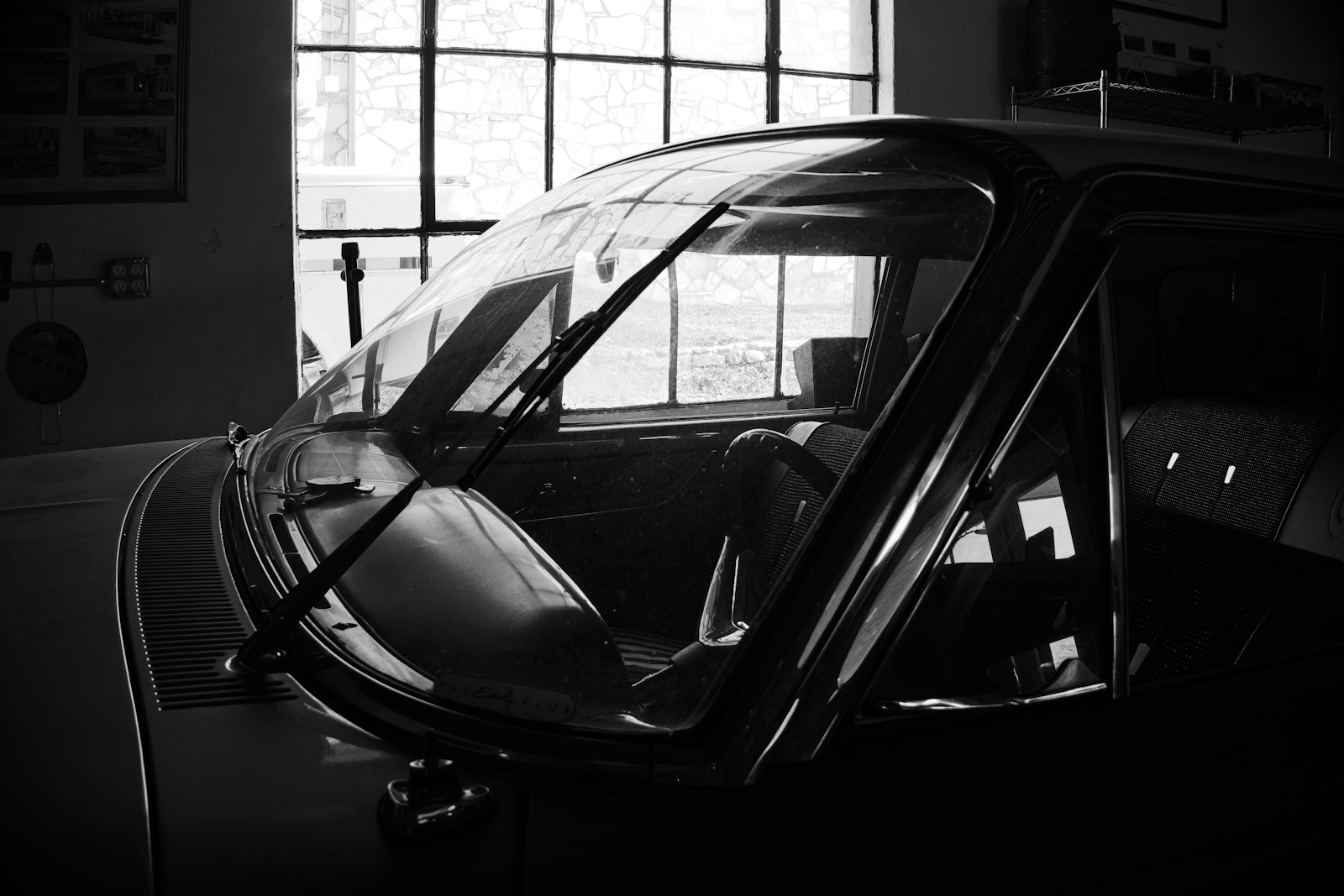
Then he dropped the real punchline, casual as if he were asking to borrow a blender. He told her he’d be picking the car up on Saturday and—here’s where he said it like it was obvious—he needed to store it in her garage. “Just for a while,” he said, already imagining himself under the hood with music on, tools spread out like a movie montage.
Maya’s garage wasn’t empty storage; it was her space, and she used it. She also liked being able to park in her driveway without navigating around someone else’s chaos. More than that, she could already see how “just for a while” would turn into months of parts, stains, and Dylan’s half-finished promises.
She told him no, not sharply at first. She said it wouldn’t work and she wasn’t comfortable with it. Dylan blinked like he hadn’t understood the word, then tried again as if it were a negotiation and she simply hadn’t heard the benefits.
He started using “couples support each other” like a weapon
Dylan’s tone shifted when he realized she meant it. He didn’t get loud, but he got wounded, which somehow felt more aggressive. He said he thought they were building something together, that this was “our future,” and that partners are supposed to back each other up.
Maya asked how buying a broken car instead of paying rent was “building.” Dylan said she was being negative, that she didn’t understand “investments,” and that she was acting like his mom. That one landed badly, because it made it clear he heard her concern and chose to translate it into nagging.
He tried a softer angle next, leaning against the kitchen counter like he was pitching a compromise. The car wouldn’t even be messy, he promised. He’d keep it tidy. He’d only work on it on weekends. He’d move it out as soon as he found a better place. It would actually be fun, he said, like this could become their cute shared hobby.
Maya reminded him she never asked for a hobby that came with the risk of his landlord knocking at his door. And she wasn’t missing the bigger point: he’d made a major financial decision without thinking about his housing, and now he was trying to solve the consequences by taking over her property.
Saturday became a deadline she didn’t agree to
By Thursday, Dylan was acting like the garage situation was still pending. He texted her measurements of the car, asked if she had an extension cord, and sent links to tool sets “they” might need. Maya replied, each time, that he wasn’t storing it there.
Dylan responded with the kind of joking that isn’t really joking. “You’ll change your mind when you see it,” he wrote. “Don’t worry, I’ll make it work.” Another time: “I thought you were a ride-or-die.” It was playful on the surface, but it kept circling the same message—her refusal was temporary, and he’d keep pushing until it wore down.
When Maya tried to talk in person again, Dylan got strangely strategic. He told her she was overreacting and making it “a bigger deal than it needs to be.” He also started listing all the ways he’d “been there for her,” including things like driving her to the airport once and picking up dinner when she was busy, as if those were comparable to moving a non-running vehicle into her garage indefinitely.
It wasn’t lost on Maya that he’d never mentioned paying her anything for using the space. No offer of rent for the garage, no promise to cover utilities, no acknowledgment that it might increase her insurance risk if something happened. It was all framed as a test of love and loyalty.
The confrontation wasn’t explosive, just incredibly telling
On Friday night, Maya made it crystal clear. She told Dylan the car wasn’t coming onto her property, not the garage, not the driveway, not even “for an hour while we figure it out.” She said if he showed up with it anyway, she wouldn’t open the garage and she’d consider it trespassing if he tried to leave it there.
Dylan went quiet in that way that’s supposed to scare someone into backtracking. Then he said, flatly, that he couldn’t believe she’d “threaten” him. He asked if she even wanted a future with him, because in his mind this was what a future looked like: him making impulsive choices and her absorbing the fallout.
Maya told him she wanted a future with someone who paid rent before buying toys. Dylan rolled his eyes, and that tiny gesture did more damage than any shouting would’ve. It wasn’t just that he disagreed—he truly thought her priorities were small and unromantic compared to his grand, greasy dream.
He left that night without his usual kiss goodbye. Maya noticed he took his toothbrush from the bathroom, which felt dramatic, like he wanted the symbolism of pulling back without actually admitting he’d messed up.
The car still existed, and so did his entitlement
Saturday morning came with a new text: Dylan said he’d “found a solution.” For a second, Maya hoped it meant he’d sold the car back, or he’d paid his rent, or he’d rented a storage unit like an adult. Instead, he told her he was going to keep it at his friend’s place “for now,” but it was “messed up” that he had to scramble because she wouldn’t help.
He kept circling back to that word—help—as if she’d refused to lend him a coat in the rain. Maya pointed out that his scramble was self-inflicted, and that she wasn’t obligated to risk her lease, her space, and her peace because he wanted to play mechanic. Dylan replied that she was making him feel like “a burden.”
Over the next few days, he alternated between sulking and acting normal, which made the whole thing feel more unstable. He’d send her pictures of the car again, updates on the “build,” like nothing had happened, then suddenly drop comments about how he couldn’t believe she didn’t support his passions. Maya started realizing this wasn’t just about the garage—it was about how he responded when she said no.
The last thing he said that stuck with her wasn’t even about the car. It was when he told her, “If we’re going to be serious, you can’t keep everything separate.” And Maya, standing in her kitchen looking toward the door that led to the garage, understood exactly what he meant: separate wasn’t about space. It was about boundaries he wanted to dissolve until he could live inside her life without paying the cost of his own.
Nothing in their relationship had technically “ended” by the time Maya told the story, but it had definitely shifted. Dylan still had his project car, still had his excuses, and still spoke like her garage was a symbol she owed him rather than a door she was allowed to keep closed. And Maya was left sitting with the quiet, uncomfortable question the whole argument exposed: if he’d gamble his rent on a fantasy and call it an investment, what else would he gamble once her space was no longer her own?