

By the time Sunday dinner rolled around, the teen had rehearsed the story so many times it sounded almost smooth. Almost. He sat at the end of the table, hoodie sleeves tugged down over his hands, and kept insisting the dent in the front bumper had to’ve happened in the school parking lot. Someone must’ve backed into him, he said, and then drove off.
His mom wanted to believe him because that’s what parents do when the alternative is admitting their kid might’ve done something genuinely stupid. His dad didn’t say much—just kept doing that quiet stare parents do when they’re letting a story hang in the air to see if it collapses under its own weight. Meanwhile, the car sat in the driveway like a prop: scraped paint on the corner, a cracked fog light, and a little smear of red that didn’t match anything on their vehicle.
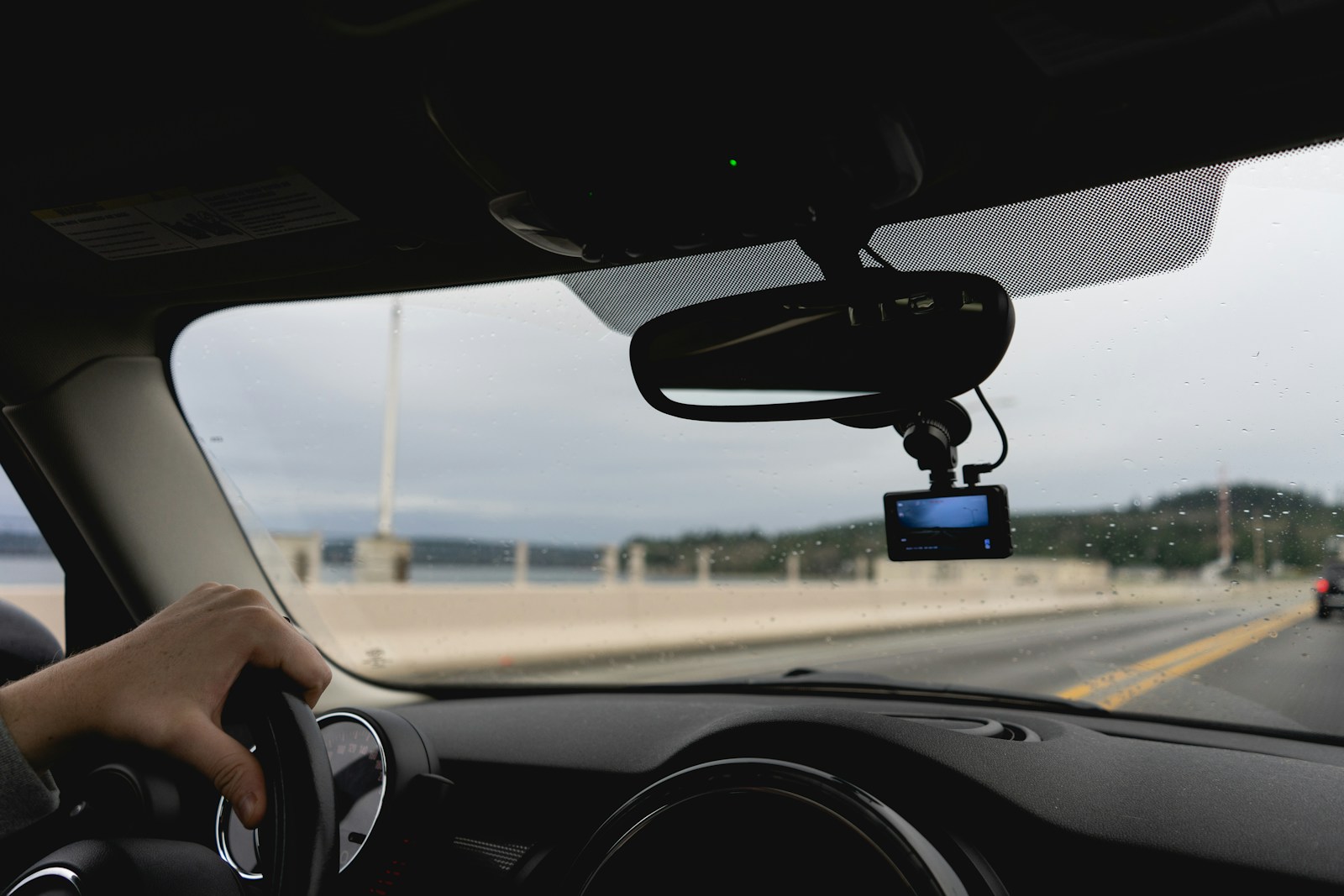
The lie had already been running for three days at that point, long enough for everyone in the house to start editing their own emotions around it. The teen had gotten a little too comfortable, even offended, like he was the injured party because people kept asking follow-up questions. And the whole time, the dashcam in the family car was quietly waiting with a timestamped memory no one had thought to check.
Thursday: The Dent, the Story, and the First Weird Detail
It started Thursday after school when he pulled into the driveway later than usual, music still thumping, acting like he hadn’t just aged his parents five years. His mom noticed the damage first—she was carrying groceries and saw the front corner as he swung in too tight. The teen hopped out fast and immediately started talking, which is always a tell.
He said he’d parked near the gym, came out after practice, and the bumper was like that. No note, no witnesses, nothing. He said he’d looked around but didn’t see any cars with matching damage, and it was getting dark, and what was he supposed to do?
The first weird detail was that he’d already sprayed water on the front end. Not washed it, just… rinsed. His dad asked why the paint looked smeared, and the teen shrugged and said he’d wiped it down to “see how bad it was.” It was the kind of answer that fits in the moment but starts to sound bizarre once it sits in your head for an hour.
His mom called the school to ask about cameras in the lot, because that’s what a responsible adult does when they’re trying to help their kid. The teen kept insisting it wasn’t a big deal and begged her not to “make it a thing.” That should’ve been the loudest alarm, but families don’t always hear those when they’re tired and trying to get through the week.
Friday and Saturday: The Lie Gets Comfortable
By Friday, he’d upgraded the story. Now he remembered there was a big pickup truck near him, and maybe it had a trailer hitch. He said he’d told a friend, and the friend agreed it sounded like someone clipped him. He started dropping these little extra details like he was patching a leaky boat with chewing gum.
His parents tried to respond like normal people: call insurance, get an estimate, see if the school had footage. But every practical step made the teen twitchier. When his dad mentioned filing a report, the kid’s whole posture changed—suddenly he was defensive, asking why they were treating him like a criminal.
Saturday morning, his aunt and uncle came by for coffee and saw the car. The aunt made the obvious joke about “teen drivers,” but she wasn’t mean about it. The teen laughed too loudly and said, “Yeah, people are terrible, just hit and run and leave you with the bill.”
Later that afternoon, his dad found a small piece of plastic lodged near the wheel well. It was red, glossy, and shaped like part of a taillight cover. Their car didn’t have any red pieces on that side. The dad held it up without saying much, and the teen’s eyes did this quick flick away and back—like a glitch.
Sunday Morning: The Dashcam Idea Finally Lands
Sunday morning was when the dad, still quiet but clearly done letting the story drift, asked a simple question: “Doesn’t the car have a dashcam?” It wasn’t an accusation. It was almost casual, like he was asking where they kept the spare batteries.
The teen’s mom blinked because she’d forgotten about it. They’d installed it months ago after a neighbor’s car got sideswiped overnight, and it had become background noise—one of those little devices you stop noticing until you need it. The teen, on the other hand, noticed it instantly.
He tried to shut it down without looking like he was shutting it down. He said the dashcam probably didn’t record in the school parking lot because it only turns on with movement, or maybe the memory card was full, or the angle wouldn’t show anything. He was talking fast again, and his dad just nodded like he was letting the kid burn through all his excuses before picking up the hose.
His mom asked for the keys so they could “just check.” The teen hesitated for a beat—tiny, but everyone saw it—and then handed them over with the kind of forced calm that makes a room colder. That’s the moment his mom started looking at him like she didn’t know what version of her kid she was dealing with.
Sunday Dinner: The Video Plays in Front of Everyone
The plan had been to check the footage privately, but families aren’t controlled experiments. By dinner, the grandparents were over, the aunt and uncle came back, and the conversation drifted—like it always does—back to the damaged car. The teen kept insisting he’d been wronged and made a show of being “over it,” which only made the adults more curious.
His dad disappeared into the living room with his laptop, and when he came back out, he didn’t look angry in the obvious way. He looked tight, like he’d swallowed something sharp and was trying not to bleed in public. He set the laptop on the sideboard and said, “Before we talk about insurance again, we should probably watch this.”
The teen’s face changed. Not horror-movie dramatic—just a subtle draining, like someone had pulled the plug and his confidence started leaking out. His mom asked, quietly, “What is it?” and his dad hit play.
The footage wasn’t grainy, and that was the cruel part. You could see the teen driving, one hand on the wheel, the other messing with his phone. You could hear the turn signal clicking as he cut into a narrow street lined with parked cars. Then came the bump—an unmistakable jolt—and the camera shook as the front corner clipped a small red sedan parked tight against the curb.
There was this half-second pause after the impact where the teen stopped, and the brake lights flared in the reflection of a window. For a moment it looked like he might get out. Then he muttered something—everyone leaned in but the audio didn’t catch it clearly—and he eased forward and drove away.
His mom made a noise that wasn’t quite a gasp. The aunt put her hand over her mouth. The grandfather, who’d been happily eating, just set his fork down with a soft clink like he’d suddenly forgotten how food worked. And the teen sat there staring at the table as if he could will the wood grain into swallowing him.
The dad didn’t stop the video right away. He let it play long enough to show the teen checking his mirror, turning down another street, and—this was the detail that made the room go stiff—pulling over briefly, getting out, and rubbing at the bumper with his sleeve. The exact “wipe it down” he’d described, only now everyone understood why.
The Fallout: Confession, Damage Control, and a House That Feels Different
No one yelled right away. The silence did the heavy lifting, and it was worse than shouting because it forced the teen to sit inside what he’d done. His mom asked, very evenly, “So you hit a car and left?” and the teen tried to speak but his voice cracked on the first word.
He eventually admitted it, but he didn’t admit it cleanly. He said he panicked, that he didn’t know what to do, that he was scared they’d take his license, that everyone leaves notes “and still gets screwed,” like he was trying to bargain for sympathy using imaginary worst-case scenarios. His dad asked if he’d even looked at the other car, and the teen said, “Not really,” which landed like a slap.
The grandparents were the ones who made it messier. His grandmother started crying—not loudly, but enough to change the whole temperature of the room—and kept saying, “This isn’t you,” over and over. His grandfather, the opposite, went cold and said, “If you can lie for three days, you can lie for three years,” and then just stared at him like he was doing a math problem he didn’t like.
His parents’ next steps were painfully adult: find the car, contact the owner, file the report, deal with insurance, figure out consequences. The dad said the teen wouldn’t be driving for a while, and the teen immediately tried to argue, which was almost impressive in its bad timing. His mom shut that down with one sentence: “You drove away from a person’s property and came home and looked me in the face.”
The worst part wasn’t even the punishment—it was the shift. The family didn’t feel like a unit that night; it felt like a room full of people realizing they’d been managing different versions of the same kid. The dashcam didn’t just catch the hit-and-run; it caught the moment trust got reclassified as something that now needed proof.
And even after the laptop was closed and the plates were cleared, the awkward question hung around: was the teen sorry because he’d done it, or sorry because the camera made it impossible to keep pretending? Nobody at that table could agree on the answer, and the kid wasn’t convincing enough to settle it.