

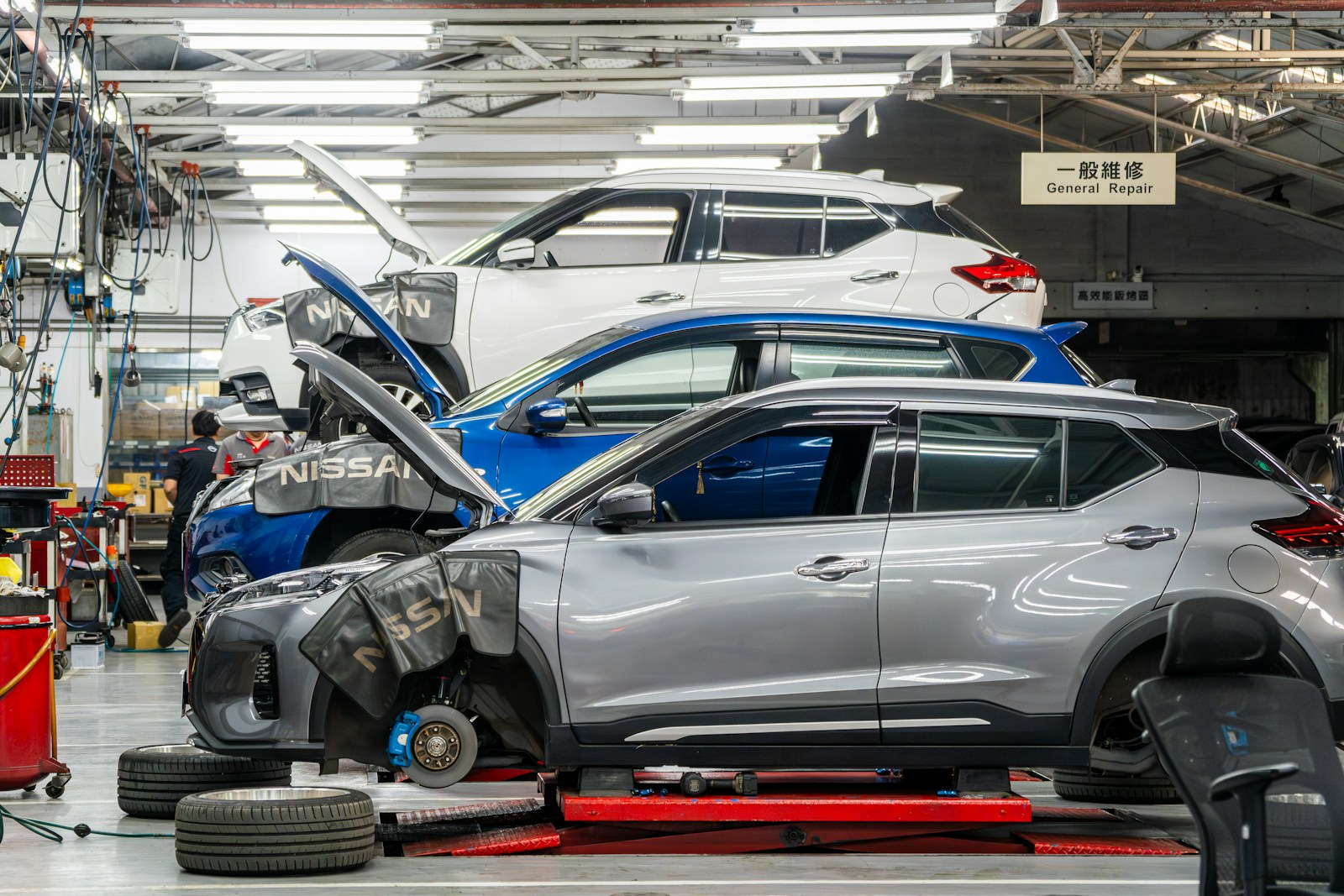
By the time his rental car hit day twelve, he could tell which cupholder squeaked when he took a left turn. That’s the kind of intimacy you don’t want with a temporary vehicle, especially when the whole point of the rental was that his actual car was supposed to be in and out of the body shop in “about a week.” Every morning he’d check his phone expecting a quick update—paint cured, parts arrived, come pick it up—and every morning he’d get some version of, “We’re waiting on the other guys.”
It started as a normal, annoying accident: a rear-end tap at a light that turned into a crumpled bumper, a busted tail light, and a trunk that didn’t close right. His insurance adjuster did the usual routine—claim number, photos, a quick estimate that sounded vaguely optimistic—and sent him to a “preferred” body shop. The shop’s lobby had that familiar mix of burnt coffee and air freshener, and the guy behind the counter spoke fluent insurance: “supplement,” “authorization,” “tear-down.”
Then the car went behind the shop doors, the rental clock started ticking, and the blame-ping-pong began. The shop said the insurer was dragging their feet. The insurer said the shop was slow-walking paperwork. Meanwhile, he kept paying the rental deposit and watching his bank app like it had a personal vendetta.
The Drop-Off: “You’ll Be Back in This Car Soon”
When he dropped the car off, the shop employee did that breezy thing where they’re technically polite but also already bored of your existence. “We’ll get it on the schedule,” he said, tapping at a computer, and slid over a form that looked like it had been photocopied since 2009. He was told to expect a call after they did a full tear-down, because the initial estimate never includes what’s hiding under the broken plastic.
The insurance company had approved a baseline amount, and the shop told him, confidently, that supplements are normal. “Insurance always does this,” the shop guy said, like he was talking about weather. The rental coverage, according to the adjuster, was straightforward: they’d pay up to a certain daily rate for a certain number of days while repairs were being made.
The first few days were quiet, which he assumed was good. No news meant work was happening, right? Then he got the first call: the shop found additional damage and needed to submit a supplement for approval.
Day Five: The First “We’re Waiting”
The supplement process sounded simple in theory. The shop would submit photos and updated parts/labor, insurance would review, and everyone would move on. In practice, it turned into a recurring loop where he’d call one side, get told to call the other side, and feel like a human carrier pigeon.
The shop told him, with a little edge, that the adjuster “hasn’t responded.” They said they couldn’t proceed because they didn’t want to order parts without authorization, and they weren’t going to eat the cost if the insurer decided to argue later. When he called the insurer, the adjuster sounded pleasant in that customer-service way that feels like a wall covered in velvet. “We haven’t received anything,” she said, as if the shop had just invented the supplement concept that morning.
He relayed that back to the shop, and the shop’s tone shifted into insulted professionalism. “We sent it,” the manager said, and offered to re-send it “right now” while he was on the phone. He could hear the clack of a keyboard, then a pause, then: “Okay, sent.”
He waited a day. Nothing changed. The car stayed in the same spot according to the shop’s vague descriptions—“in line,” “awaiting parts,” “mid-process”—and the rental company didn’t care about any of it as long as the card on file still worked.
Week Two: The Rental Starts Feeling Personal
By the time the second week started, the rental wasn’t just inconvenient; it was a steady leak of money and patience. The insurance coverage was capped, and the rental place had that cheerful, predatory rhythm: “Just a reminder, your weekly rate renews tomorrow.” He found himself doing the math in the shower, like that would somehow change the numbers.
He called the body shop again and asked for a realistic timeline. The shop manager sighed and said they were still waiting on the insurance approval for the supplement, and also waiting on a part that “might be on backorder.” The manager made it sound like insurance was the real problem, though—if the approval had been immediate, the parts would’ve been ordered earlier, which would’ve avoided the backorder mess, which would’ve saved time, which would’ve saved him money.
The adjuster told a different story. She said the shop submitted an incomplete supplement, that they didn’t include enough photos, and that their labor hours were “outside reasonable guidelines.” She said they’d asked for clarification and hadn’t received it. She also said, very pointedly, that rental coverage is based on “reasonable repair time,” which is the kind of phrase that makes a person feel like they’re about to be punished for something they can’t control.
At this point, he started asking both sides for everything in writing. Not in an aggressive way, just in a tired, “I can’t keep doing this phone tag” way. The shop said they’d email him updates. The adjuster said she’d note the file. Neither of those things immediately resulted in his car getting repaired.
The Three-Way Call That Somehow Made It Worse
He finally pushed for a three-way call—him, the shop, and the adjuster—because he was done being the messenger. It sounded like the adult solution: get everyone on the line, clear up the confusion, agree on what’s needed, move forward. Instead, it turned into a polite argument where each person talked like they were building a case for a judge who wasn’t there.
The shop manager explained they’d submitted the supplement twice, with photos, and that the adjuster kept “kicking it back.” The adjuster replied that the photos were blurry, the estimate was inflated, and the shop hadn’t justified certain line items. The manager bristled and said their pricing was standard and they weren’t going to “cut corners” to fit an arbitrary number.
Then the adjuster said something that landed with a thud: if the shop couldn’t agree to the insurer’s approved labor rates, the customer could choose another shop. It was framed as an option, but it sounded like a threat. The manager immediately pointed out that the car was already torn down and partially disassembled, and moving it would add delays and towing costs—costs the insurer might not cover.
He sat there listening, realizing the “choice” was basically: leave the car where it was and keep bleeding rental money, or start over somewhere else and gamble that the insurer wouldn’t use the transfer as an excuse to cut rental coverage. The adjuster said she understood his frustration. The shop manager said he understood too. Neither one offered to pay for the rental.
The Standoff: Everyone Has a Policy, Nobody Has His Car
After that call, the body shop said they’d “work with” the adjuster and re-submit the supplement with clearer documentation. The adjuster said she’d “expedite review” once it arrived. Two days later, the shop claimed the supplement was sent and they were waiting. The adjuster claimed nothing new had come in and suggested the shop “send it through the portal correctly.”
He asked the shop for proof of submission—screenshots, confirmation numbers, anything. The shop gave him a timestamped email thread that looked legitimate but didn’t prove the insurer actually received it in the right system. He asked the insurer if they could check spam or alternate inboxes, and the adjuster said submissions don’t work like that; they must be uploaded through the portal. The shop insisted the portal was glitching and they’d emailed as a backup, which the insurer didn’t accept as official.
And then the rental deadline got real. The adjuster called and said the coverage window was nearing its limit, and any extra days would be “out of pocket.” The shop, when told that, sounded genuinely unsympathetic in the way a business can be when they’re not the one losing money. “That’s between you and your insurance,” the manager said, like the car hadn’t been sitting in their lot for two and a half weeks.
He started showing up in person, because phone calls were too easy to shrug off. At the shop, he could see his car through a gap in the bay doors—half-dressed, rear bumper off, looking like it had been abandoned mid-surgery. The staff would give him the same lines, but now with the nervous energy of people being watched.
The insurance side was harder to corner. The adjuster had office hours, voicemail, and a rotating cast of “I’m covering this file while she’s out.” Every new person re-asked basic questions, re-read notes, and promised to “follow up,” which felt like being trapped in a loop where time passes but nothing moves.
By the end of the third week, he wasn’t even sure what he was fighting for anymore: faster repairs, more rental coverage, or just the dignity of not getting brushed off. The car was still dismantled, the insurer was still saying they couldn’t authorize what they hadn’t properly received, and the shop was still saying they couldn’t fix what they couldn’t get properly authorized. The only thing that kept updating on schedule was the rental bill, and it had a way of making every “We’re waiting on them” sound less like a delay and more like a dare.