

It started the way a lot of family blowups start now: with a text message that looked harmless until you read it twice. The parent—let’s call him Mark—was at work when his kid sent a quick “Hey, so… there was an accident.” No details, no context, just that slow-motion feeling of something expensive and dumb unfolding in real time.
Mark’s kid, Tyler, was 17 and had been driving for less than a year. The car wasn’t a beater either—it was the family’s “nice enough to care about” car, the one Mark had been letting Tyler use for school and practice with a strict set of rules: no friends driving, no late-night cruises, and absolutely no “just around the block” experiments. Tyler had nodded at all of it like teenagers do, the way they nod when they’ve already decided rules are more like suggestions.
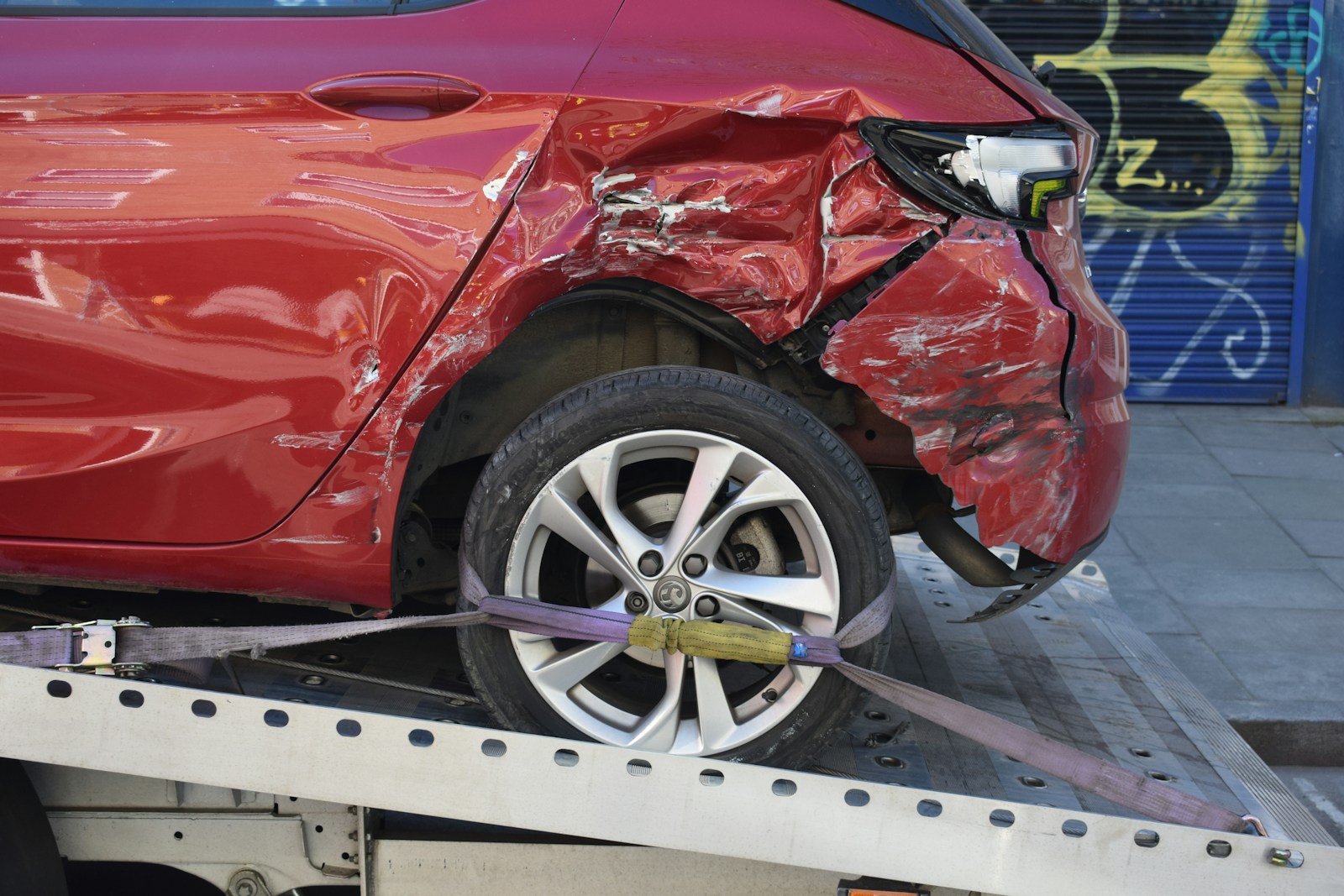
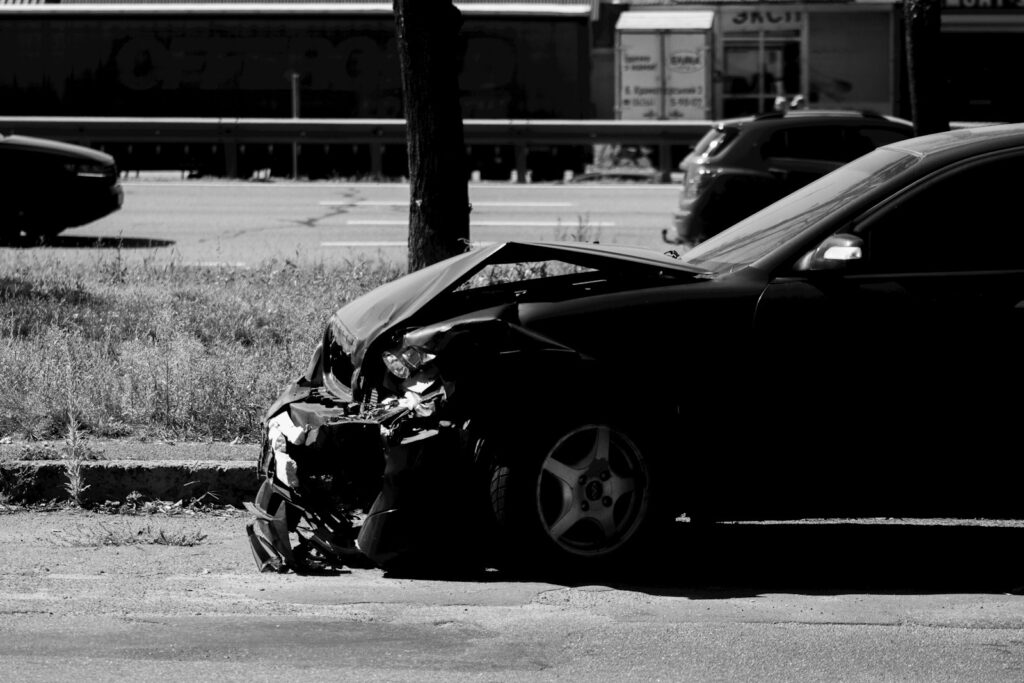
By the time Mark got to the parking lot Tyler had told him to meet at, there were already people there: a police cruiser, two anxious teenagers hovering near the curb, and the unmistakable sight of Mark’s car sitting at a wrong angle, front end smashed in like it had tried to headbutt a concrete wall and lost.
The “Just Let Him Drive It For a Second” Decision
Tyler didn’t even try to deny what happened. He said he’d been with his friend, Jordan, after school, and they’d ended up in an empty office park lot—one of those bland places where kids go because it feels private even though there are cameras on every corner. Jordan had been talking big about how he was “basically ready” to get his license, and Tyler, wanting to be the cool friend with the keys, handed them over.
It wasn’t framed as a joyride, at least not in Tyler’s mouth. It was “just to see how it feels,” “just in the lot,” “just a minute.” The kind of logic that collapses the second you remember cars don’t care about vibes—they care about physics.
Jordan took the wheel, and within a few minutes he’d clipped a curb hard enough to pop the car up and lose control. The car jumped, skidded, and slammed into a low concrete barrier. Airbags deployed. No one was seriously hurt, but the front bumper was mangled, one headlight was gone, and the hood looked like it had been crumpled by a giant fist.
Police, Parents, and the First Round of Minimizing
The officer on scene was polite in the way you get when someone knows the real punishment is going to happen at home. He took down information, asked who had been driving, and gave Mark that look adults give each other when a teenager’s choices have created paperwork. Mark could feel Tyler shrinking beside him, trying to disappear into the side seam of his hoodie.
Jordan’s parents arrived a little later, slightly out of breath and immediately on a mission to keep the tone “reasonable.” They went straight to their kid, checked him over, then pivoted to Mark with a rehearsed calm. Jordan’s mom kept saying, “Thank God everyone’s okay,” like that should be the end of the conversation.
Mark agreed everyone being okay mattered. He also couldn’t stop staring at the car, calculating: tow truck, deductible, possible frame damage, increased premiums, the fact that this was going to be a headache for months. Meanwhile, Tyler was mumbling apologies and Jordan was doing that thing where teens say “I’m sorry” while looking like they’re more annoyed that the day got complicated than that they wrecked something.
The Insurance Card Gets Played Like a Trump Card
In the first 24 hours, everyone seemed to assume there was a simple script. Mark would file a claim. Insurance would handle it. Everyone would learn a valuable lesson and go back to normal. Jordan’s dad even said something like, “That’s what insurance is for,” with the confidence of someone who has never watched their rates climb after a claim.
Mark did call his insurance, partly because he needed to know what he was looking at and partly because it was the only adult move available when you’re staring at a crushed hood. The rep walked him through the basics: if he filed, he’d likely pay the deductible, and since an unlisted teen was driving, there could be complications. Depending on the policy, they might cover it and then go after the driver, or they might treat it differently because Tyler had allowed someone else to drive.
That’s when Mark’s mood shifted from “furious dad” to “someone is trying to hand me a bill with a smile.” Because the more he looked at it, the more it felt like both families were quietly trying to make this a Mark problem—his car, his insurance, his inconvenience—while Jordan got a scared lecture and Tyler got grounded.
The Estimate Comes In and Suddenly Everyone’s Memory Gets Fuzzy
A few days later, Mark got the first estimate. It wasn’t catastrophic in the “totaled” sense, but it wasn’t minor either—several thousand dollars, with the possibility it would grow once the shop started pulling things apart. The parts weren’t cheap, the sensors behind modern bumpers are absurdly pricey, and the shop warned him that the impact might’ve messed with alignment or structural components.
Mark brought it up to Tyler first. Tyler, red-eyed and miserable, said he’d “do anything” and then immediately followed it with the reality of being 17: he had no money. He offered to work it off, get a job, sell his gaming stuff—big promises, vague math.
Mark then spoke to Jordan’s parents, assuming there would be at least a conversation about splitting costs. That’s when the tone changed. Jordan’s mom got tight in the voice and said something like, “We feel awful, but Tyler gave him the keys.” Jordan’s dad went practical, suggesting Mark should “just file it” because paying out of pocket was “crazy.”
It wasn’t just that they didn’t offer money. It was the way responsibility started getting gently edited. Their son hadn’t “wrecked the car,” he’d “had an accident.” Tyler hadn’t been a passenger, he’d “allowed it.” Mark could feel the narrative shifting toward: the real problem here is Tyler’s decision, not Jordan’s driving.
The Two-Family Pressure Campaign
Mark thought Tyler would at least be on his side in the “we need to make this right” sense. But Tyler was terrified of losing his friendship and, more importantly, terrified of everyone being mad at him for longer than a week. So Tyler started pushing the same line Jordan’s parents were pushing: “Can’t we just use insurance?”
Mark tried explaining what that actually means. It’s not free money. It’s a claim on his record, likely higher premiums, a deductible out of pocket, and the stress of dealing with adjusters and repairs. And if insurance decided to come after Jordan, it could blow up into a bigger conflict anyway—only now it would be a conflict Mark “started” by calling insurance, which is exactly how these things get spun.
Jordan’s parents doubled down. They weren’t hostile, exactly, but they were firm in that polite, suburban way that makes you feel like you’re the unreasonable one for not taking the easy route. They kept coming back to the idea that “teenagers make mistakes” and “everyone’s lucky,” and they treated the financial side like it was tacky to even discuss.
Mark found himself in the weird position of being the only person in the room talking about consequences beyond grounding and apologies. Tyler wanted the fastest reset button. Jordan wanted to stop feeling guilty. Jordan’s parents wanted the problem to disappear without them writing a check. And Mark was staring down a repair bill and a premium increase for a crash he wasn’t even present for.
The Part Nobody Wants to Say Out Loud
The ugliest part of the whole thing wasn’t the damage to the car. It was the unspoken agreement forming between the two teens and one set of parents: if Mark insists on reimbursement, he’s the villain. If he goes through insurance, he’s “handling it like an adult,” which somehow means swallowing the cost and keeping everyone else comfortable.
Mark considered refusing to let Tyler drive for the foreseeable future, which felt like an obvious consequence, but it didn’t solve the bigger issue. He also knew that if he filed a claim and insurance later tried to recover money from Jordan or his parents, Jordan’s family would absolutely act blindsided, like Mark had tricked them, even though that’s literally how insurance works.
And Tyler, stuck in the middle, started doing that desperate teen thing where they bargain emotionally instead of logically. He told Mark Jordan “feels really bad” and that Jordan’s parents “can’t afford” a big payment, while also conveniently not explaining why Mark should be able to afford it instead. The kid wasn’t malicious; he was just trying to make the social pressure stop.
By the end of the week, Mark hadn’t even decided what to do, and that was almost the worst part—being trapped in the in-between while everyone else acted like the decision was already made. The car was sitting in a shop queue, Tyler was avoiding eye contact, and Jordan’s parents were texting “checking in” messages that felt less like concern and more like making sure Mark stayed on the insurance track. The crash was over in seconds, but the real wreck was the new reality settling in: Mark could either eat the cost to keep the peace, or push back and become the guy everyone quietly blames for not “moving on.”