

It started the way a lot of family blowups start: with a proud moment, a little money, and a teenager who thought he was the exception to every boring rule. Their son had just graduated high school, the kind of kid who’d been talking about his first car since middle school, and the family did what families do when they’re trying to mark a milestone. They handed him a graduation envelope with cash and a simple plan attached: put it toward adult stuff.
He already had the car—an older coupe he’d saved for with part-time job money and a few “early birthday” contributions from grandparents. It wasn’t flashy, but it ran, and to him that meant it was basically a blank canvas. His parents figured the graduation money would go to insurance, registration, maybe the small fixes the mechanic had warned about.
Instead, within a week, the driveway sounded like someone was shaking a coffee can full of bolts every time he turned the key. He’d turned the coupe into a rolling statement, and it was clear he’d spent that envelope on anything that looked cool and absolutely nothing that would keep him legal.

The Graduation Money “Plan” That Wasn’t a Plan
The parents weren’t naïve; they knew giving an 18-year-old cash comes with risk. Still, they’d been pretty explicit: the money was to help him get insured so he could drive to his summer job and community college orientation without them hovering. They even offered to sit down with him, compare quotes, do the whole adulting tutorial.
He nodded through that talk the way teens do, with the same facial expression he used when they reminded him to take the trash out. A few days later, he was suddenly spending a lot of time in the garage with his friends, the door half closed like they were running a secret lab. Every time a car pulled up, there was the sound of laughter and the clink of tools.
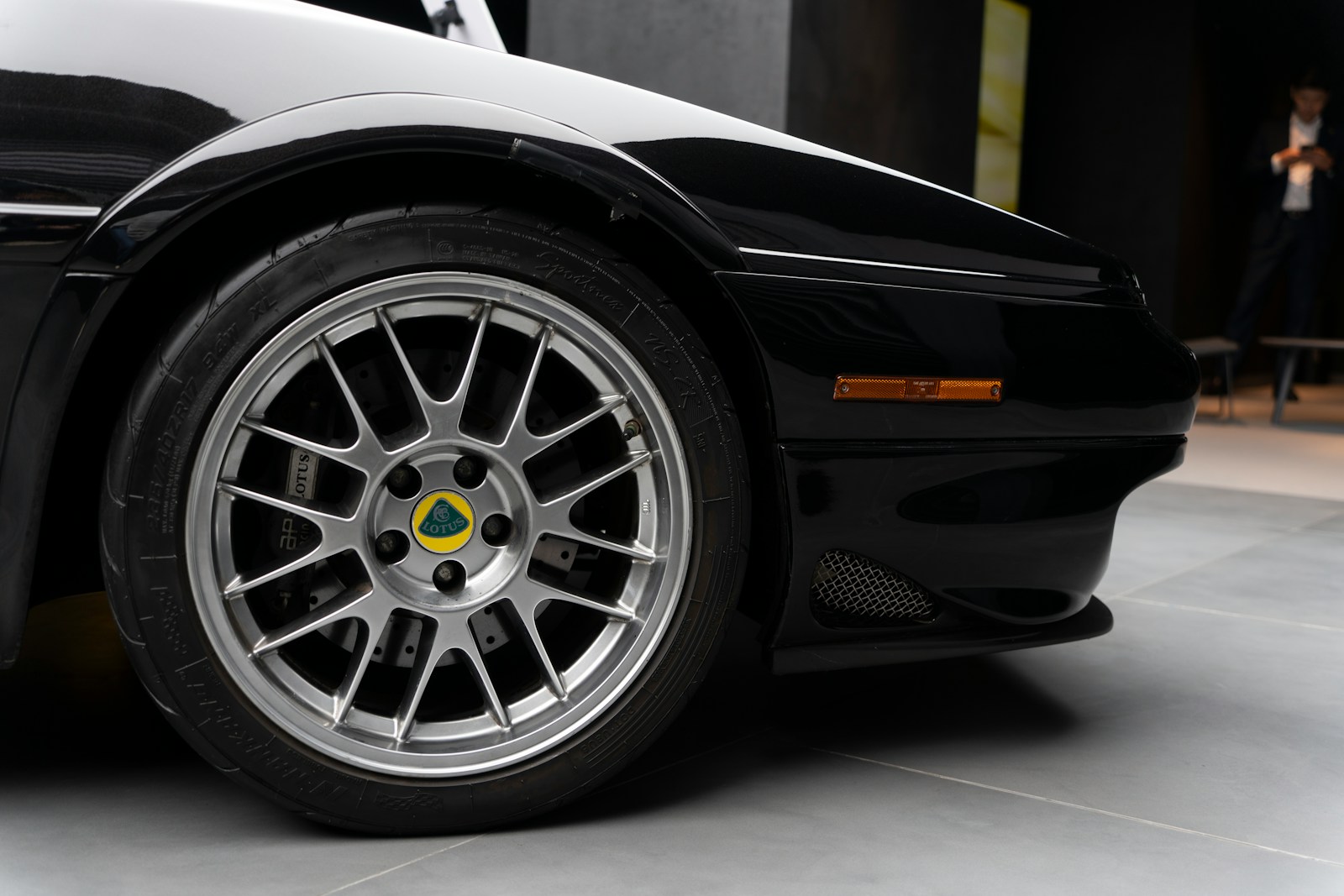
Then the upgrades started showing up in plain sight: a loud exhaust that made the car bark on startup, window tint dark enough that his mom had to lean in to see his face, and new wheels that looked more expensive than the rest of the vehicle combined. He added a spoiler that seemed to have been chosen purely for maximum drama. When his dad asked, casually at first, “So, you get the insurance set up?” the kid didn’t answer directly—he just launched into a speech about “performance” and “build quality” like he was hosting a channel.
That’s when the parents realized he’d done the math in the way only a teenager can. Insurance was invisible and boring. Car mods were loud, instant, and came with friends hyping him up in real time.
The First Time They Asked for Proof
The parents didn’t want to be the villains at their own kid’s graduation, so they tried the gentle approach. They asked for the insurance card, the way you ask a roommate if they paid their share of the internet bill—trying to keep it normal, trying not to ignite anything. He got defensive immediately and said he was “working on it” and that they were “overreacting.”
His mom pointed out that “working on it” doesn’t mean anything if he’s driving every day. He fired back that he was a good driver, that he wasn’t doing anything illegal, that he “barely even speeds.” His dad, who’d been quiet, asked one simple question: “If you get pulled over, what do you hand them?”
That’s when the kid tried to pivot into technicalities—something about how the car was in his name, and he was “figuring out the best policy.” But there was no paperwork. No email confirmation. No app with an active policy. Just vibes, confidence, and a freshly installed exhaust that announced him to the entire neighborhood.
The parents gave him a choice: park the car until he’s insured, or they’d start taking the keys when he wasn’t paying attention. He took that like an insult, accused them of not trusting him, and stomped off to his room. The car still left the driveway the next morning.
The Stoplight Lifestyle and the Inevitable Pull-Over
He drove like someone trying to be noticed—nothing too reckless, but enough to draw eyes. The new exhaust made the car sound faster than it was, and he’d started taking the long way places just to pass through busy areas. His parents kept hearing him come and go, each departure like a reminder that he was choosing noise over responsibility.
The pull-over happened in the most predictable way possible. He was on a main road near a shopping center, the kind of place where police sit when they’re bored, and the car’s tint and loud exhaust were basically waving a flag. When the lights came on behind him, he panicked, not because he’d been drag racing, but because he finally remembered there’s a part of driving that isn’t aesthetic.
He called his parents from the side of the road, voice tight and higher than usual. He didn’t start with “Hi,” or even “I’m okay.” He started with, “I need you to come here. Like, now.”
His mom asked where he was, and his dad asked the question that cut straight through everything: “Do you have insurance?” There was a pause long enough to make the answer obvious. Then the kid said, small and furious at the same time, “I thought I could get it later.”
The Phone Call That Turned Into a Family Standoff
The kid wanted them to show up and somehow make the situation disappear, like a parent-teacher conference where the adult signs something and everyone pretends it’s fine. He said the officer was asking for proof of insurance and he didn’t know what to do. He also threw in that he didn’t want the car to get towed, like that would be the real tragedy.
His dad asked if the officer had already run his information. The kid snapped, “Yes, obviously.” His mom could hear the sound of traffic and the faint echo of the officer talking to someone else, which made it feel both urgent and weirdly public, like the family drama had spilled out onto the asphalt.
The parents didn’t scream; they didn’t have to. They told him they weren’t coming to rescue him from a choice he’d made with full warning. They said they’d help him figure out next steps after the stop was over, but they weren’t going to show up and argue with a cop or hand over their own insurance like some kind of cover story.
The kid’s tone shifted from panic to accusation. He said they were abandoning him, that they cared more about “being right” than helping him. His dad said something that stuck: “Helping you isn’t the same as fixing it for you.” Then he told his son to be polite, take whatever ticket he was getting, and call back when it was done.
When the kid finally hung up, his mom sat at the kitchen table staring at her phone like she’d just watched a slow-motion crash and couldn’t look away. His dad was quiet, the kind of quiet that meant he was angry but trying not to turn it into a lecture. The house felt tense, like it was holding its breath.
What Came Home With Him Wasn’t Just the Ticket
He made it home later, not in the car, but in a friend’s beat-up sedan that pulled into the driveway with none of the usual drama. The coupe had been towed, because of course it had. He walked in holding papers that looked heavier than they actually were, jaw clenched like he’d been chewing on his pride the whole ride back.
He didn’t apologize right away. He threw the ticket packet on the counter and started talking fast—how the officer was “rude,” how the tow company was “a scam,” how it was “unfair” they cared more about a missing card than his clean driving record. His parents let him talk until he ran out of steam, and then his mom asked how much he’d spent on the modifications.
That’s when it got ugly in a quieter way. He admitted the graduation money was gone and then some, because the wheels had been “a deal” and the tint guy had “hooked him up.” The parents asked what he expected them to do now, and the answer was immediate: help pay to get the car out, help pay the fines, help get him insured. Not ask for help—expect it.
His dad told him they’d help him get insurance quotes and understand the process, but they weren’t paying the tow and ticket for him. If he wanted the car back, he could sell the wheels, return whatever he could, pick up extra shifts, ask the same friends who’d cheered the mods to help him undo the mess. The kid looked like he’d been slapped, not because it was cruel, but because it was the first time the consequences weren’t theoretical.
The last thing hanging in the air wasn’t even the money—it was the new, awkward knowledge that he’d seen his parents as a safety net he didn’t have to respect. They’d seen him as a kid taking his first steps into adulthood, and he’d treated it like a game with unlimited retries. The car sat in an impound lot, the receipt ticking upward by the day, and in their kitchen the real question wasn’t how he’d get it back—it was whether he’d stop trying to make them the solution to problems he created on purpose.