
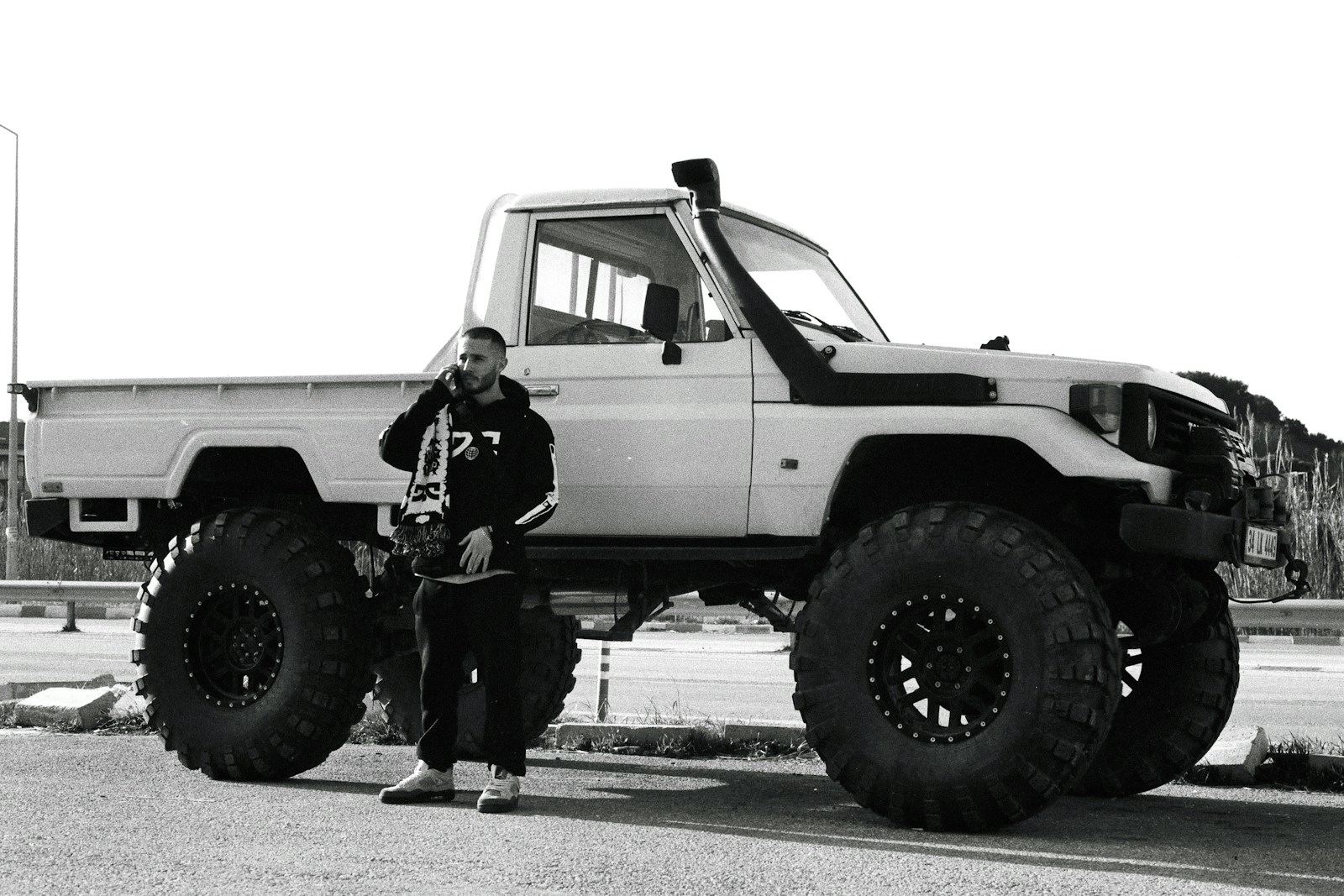

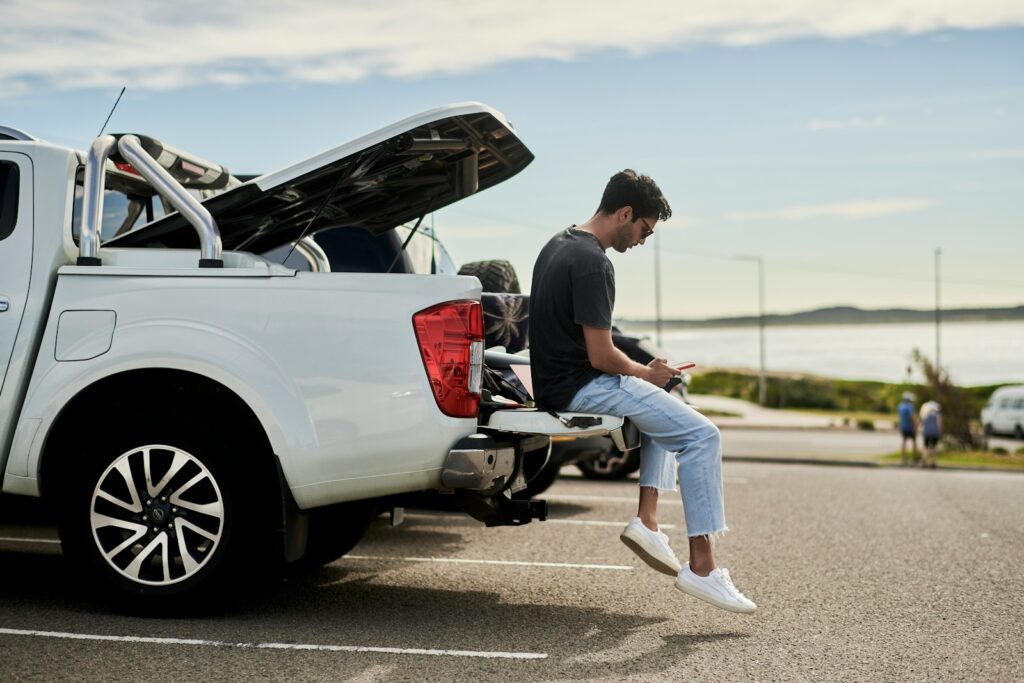
It started the way neighborhood dramas usually do: with a purchase nobody asked about, presented like an achievement everybody was supposed to applaud. The guy two houses down—Derek, early 30s, always wearing wraparound sunglasses even when it’s cloudy—rolled home one Friday evening in a brand-new, aggressively shiny pickup that looked like it had never been within ten feet of a muddy job site.
He didn’t just park it. He staged it. He backed it into his driveway at an angle like it was on display, left the windows down so you could “hear the sound system,” and spent the next hour hovering around it with a microfiber cloth like a museum guard. By the time the sun went down, three different neighbors had already heard about the monthly payment, the trim package, and how the dealership “basically begged” him to take it.
Over the next few months, the truck became less of a vehicle and more of a personality. Derek talked about it the way some people talk about their kids—constantly, unsolicited, and with the expectation that everyone else should be just as invested. If someone mentioned needing to pick up mulch, Derek somehow turned it into a monologue about towing capacity and “real engines.”
The Truck Was the Main Character
It wasn’t just the talking. Derek built routines around making sure the whole street noticed the thing. He’d remote-start it at odd hours so it could rumble loudly enough to vibrate the recycling bins, then step outside with a coffee like he was casually enjoying the morning, not announcing his presence to every sleeping household.
Whenever anyone had company over, Derek would make a point of wandering outside right as guests were pulling up. He’d nod at the visitors like they were arriving at a car show, then drift into a story about “upgrading” and how it “just made sense” because he was “doing bigger things now.” The bigger things were never specified, but the truck was always the proof.
The block had a mix of people: retirees with tidy gardens, a couple families with toddlers, one guy who rebuilt motorcycles quietly in his garage and never bragged about anything. Derek’s energy hit everyone the same way—exhausting, slightly confrontational, like you were being drafted into validating his choices. Most people smiled and let it pass, but you could feel the eye-rolls in the air when he walked away.
And then he started getting weird about anyone else’s cars. If someone pulled in with a ten-year-old sedan, he’d make some comment about “keeping it simple” with a sympathetic tone, like he was consoling them for not having “made it.” If a neighbor mentioned gas prices, Derek would shrug and say, “That’s the cost of not driving something boring.”
Little Cracks Started Showing
About two months in, the truck stopped being spotless all the time, which wasn’t a big deal on its own. But Derek’s behavior shifted in small, telltale ways: less showy, more edgy. He still bragged, but now it had an edge like he was trying to convince himself as much as anyone else.
People also started noticing odd patterns. The truck would disappear for a day or two, then reappear like nothing happened. Once, Derek parked it a few houses down instead of his driveway, which made no sense because he was normally territorial about that driveway like it was a sacred display pedestal.
The biggest tell was the way he reacted to mail. A neighbor walking their dog mentioned seeing Derek snatch envelopes from his mailbox like they were on fire, flipping them over immediately to check who they were from. He’d glance up the street afterward, like he thought someone was watching him read.
Still, nobody said anything directly. Neighborhoods run on polite denial. People could sense something wasn’t lining up with the “dealership begged me” story, but unless you’re trying to start a feud, you don’t confront a grown man about his payment schedule across a lawn.
Block Party Day, and Derek’s Performance
The block party was scheduled for a Saturday afternoon in early summer, one of those annual events where everyone drags folding tables into the street and pretends they’re not secretly evaluating each other’s parenting and grilling skills. There were coolers, speaker playlists, kids on scooters, a couple cornhole boards, the usual. Derek treated it like a stage.
He washed the truck that morning and parked it so it was visible from the center of the party. He popped the hood at one point for no apparent reason, leaning over the engine bay like he was about to teach a class. Someone asked him if he needed help, and he laughed and said, “Nah, just letting her breathe.”
By mid-afternoon, Derek had worked the truck into at least five conversations, none of them naturally. He told one neighbor the seats were “basically like a luxury hotel,” told another guy the stereo “makes concerts sound sad,” and at some point he used the phrase “investment vehicle” with a completely straight face.
There was alcohol, but Derek wasn’t even noticeably drunk. He was just doing what he always did: performing. If you watched him closely, though, he kept checking his phone and scanning up the street between laughs, like he was waiting for someone.
The Repo Truck Rolled In Like It Owned the Street
It happened during that calm, golden hour part of the party, when the kids were sticky with popsicles and the adults were settling into their chairs with that “we actually pulled this off” feeling. A plain white tow truck turned onto the block and slowed down. Nobody paid much attention at first, because service vehicles come through all the time.
Then it stopped. Right near Derek’s truck.
The driver got out and didn’t do the normal “lost delivery guy” routine. No confusion, no checking house numbers. He walked with purpose, clipboard in hand, eyes locked on the shiny pickup like it was a barcode he was there to scan.
Derek noticed at the same time everyone else did, because his whole face changed. It wasn’t surprise; it was recognition. He went stiff, set his drink down too hard on a folding table, and walked fast—but not quite running—toward the tow truck like he could intercept the situation before it became real.
Everybody Heard the Conversation Without Trying
The street was loud, but some sounds cut through anything, and an argument is one of them. Derek started with that fake-friendly tone people use when they’re trying to talk their way out of a corner. The tow driver didn’t match his energy at all.
He was calm, almost bored, the way someone is when they’ve already had this same conversation a hundred times this week. He pointed at the clipboard, said something about the vehicle identification, and then said the word “repossessed” loud enough that a few heads turned immediately.
Derek’s voice spiked. He started insisting it was a “mistake,” that he’d “talked to the bank,” that there was a “processing issue.” The tow driver didn’t bite, just asked for the keys, and when Derek didn’t hand them over, the guy shrugged and walked toward the truck like the keys were optional.
That’s when the block party energy shifted into that brutal kind of silence where nobody wants to stare but nobody can look away. A couple people pretended to refill their drinks and slowly drifted closer. Someone’s kid asked loudly why the man was taking Derek’s truck, and the kid got shushed so fast it was like a reflex.
Derek tried one last thing: he stepped in front of the truck, like physically blocking it would change the paperwork. The tow driver didn’t touch him or escalate, just said he could call the number on the notice and talk it out, but the vehicle was coming with him today. Derek’s face went red, then pale, like his body couldn’t decide which emotion to prioritize.
The tow driver hooked it up with practiced efficiency. Derek stood there, hands on his hips, doing that angry pacing thing where you’re trying to burn off panic by moving. When the truck finally lifted and tilted slightly, the crowd made that involuntary “oof” sound, like watching someone drop a wedding cake.
Derek shouted something about “this is bulls—” and then stopped when he realized half the street was watching. He looked around like he was looking for allies, but what he found was people awkwardly avoiding eye contact. Nobody wanted to be part of it, and nobody wanted to pretend it wasn’t happening.
The tow truck pulled away slowly, as if to really let the moment land. Derek didn’t follow it. He just stood in the middle of the street, staring down the block, jaw clenched so hard it looked painful.
Aftermath: The Party Kept Going, But Not Really
The block party didn’t end immediately, which somehow made it worse. People drifted back to their chairs, conversations restarting in that forced, too-bright tone, like everyone was trying to convince themselves the vibe hadn’t been permanently altered. The music kept playing, but it sounded wrong, like it didn’t get the memo.
Derek disappeared into his house and didn’t come back out. His front door closed with a sharp, final sound. A few minutes later, someone quietly moved a cooler so it wasn’t facing his driveway, like turning the chairs away would turn down the embarrassment.
Within an hour, the story had already split into versions: Derek got scammed, Derek missed “one payment,” Derek had a fight with the bank, Derek was “between jobs.” Nobody actually knew, but everyone had a theory, and every theory came with the same unspoken detail—he’d been talking like a guy with money while living like a guy juggling consequences.
Later that evening, long after the tables were folded up and the street reopened, Derek’s driveway sat empty in a way that felt louder than the engine ever did. And the strangest part wasn’t the missing truck—it was the fact that the neighborhood still had to live next to Derek afterward, knowing he’d been building his whole image around something that got hauled away on a clipboard and a chain, right in front of the people he’d been trying so hard to impress.