

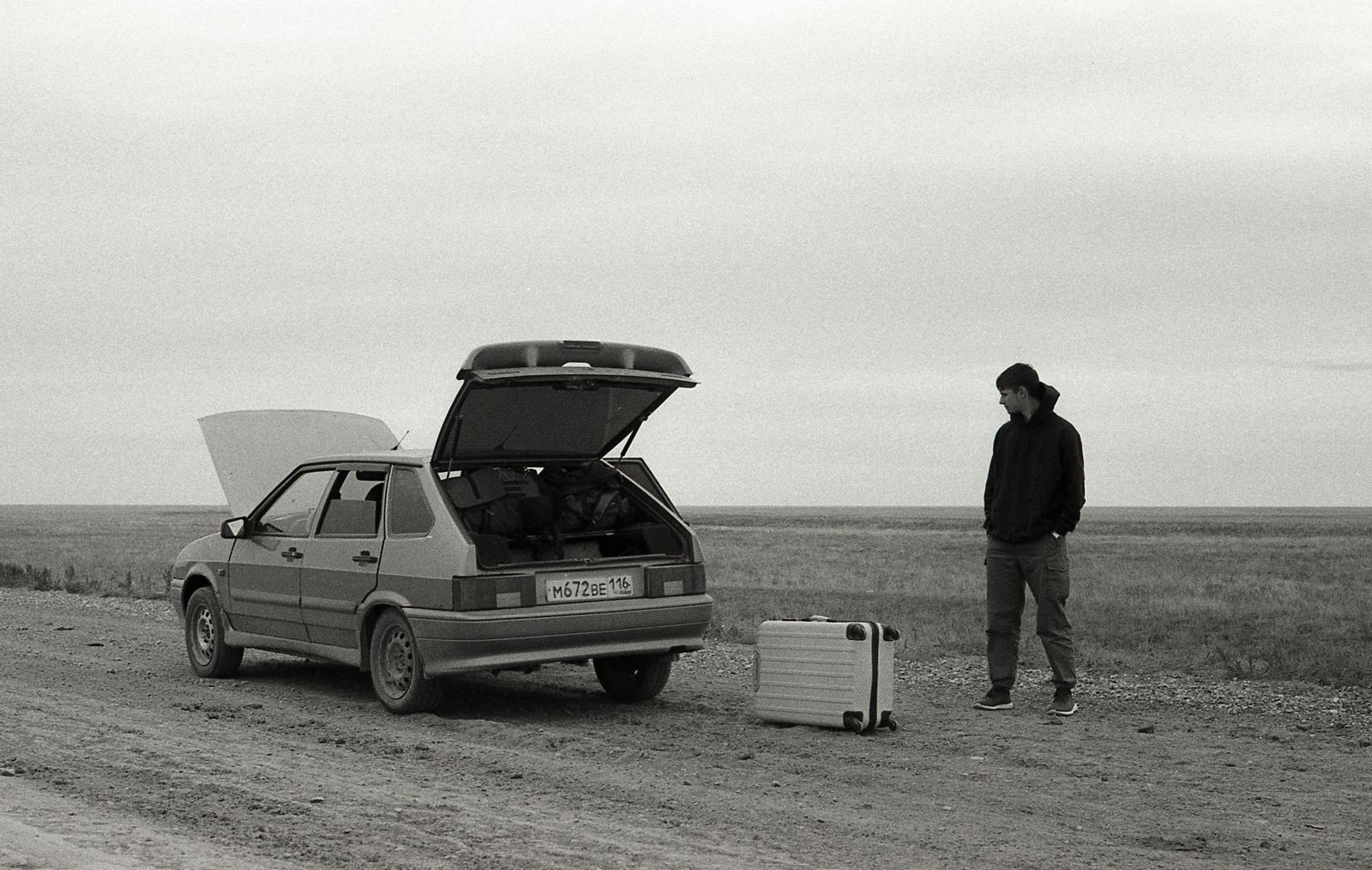
By the time they hit the interstate, everyone in the car had already decided whose “fault” the trip was going to be if anything went wrong. It just hadn’t occurred to them yet that the person they’d picked was also the one holding the whole plan together with duct tape and a prayer.
It was supposed to be an easy, cheap road trip: three friends and a cousin piling into one car for a week at a rented cabin a few hours away. The driver—let’s call him Matt—had the only vehicle big enough for four adults and their bags, so the group treated his car like it was automatically part of the package. Gas money got discussed. The car itself didn’t.
Matt had been saying for weeks that his sedan was “fine, but not road-trip fine.” He’d been hearing a squeal from the front end, the AC sometimes cut out when idling, and the temperature needle had done a weird little climb once in traffic. Every time he brought it up, someone would roll their eyes and hit him with, “Dude, you’re paranoid,” or, “Cars make noises, it’s literally fine,” like he was trying to get out of the trip instead of trying not to get stranded on the side of a highway.
The part where “we’ll figure it out” becomes a strategy
In the group chat, Matt suggested they either take Emily’s SUV or split the drive between two cars. Emily’s SUV got dismissed immediately because it “burned too much gas,” and the two-car idea got vetoed because it “killed the vibe” and would make coordination annoying. The cabin was already booked and non-refundable, so any suggestion that involved changing the plan got treated like an attack on everyone’s happiness.
Matt offered the compromise that felt obvious: they could all chip in for a quick inspection before leaving. Not even repairs, just a mechanic putting the car on a lift to tell them whether they were being dumb. That got a lot of “we’re already spending money” and “why are you being such a dad about this” energy, plus a casual assumption that if something did happen, they’d just “deal with it.”
The weirdest part was that they kept repeating “deal with it” like it was a plan, not a hope. Nobody wanted to think about towing, repair shops in random towns, or the fact that their cabin check-in was time-sensitive. They wanted the fantasy version of a road trip where the only unexpected problem is running out of snacks.
Day one: the warnings start paying rent
They left early, which meant the car was packed in the cold morning dark while everyone made jokes about Matt being tense. He did the quiet, responsible stuff: checked tire pressure, topped off coolant, and asked—again—if everyone was sure they didn’t want to swap cars. Someone tossed him a bag of donuts like that fixed everything.
For the first hour, it was fine. Music, coffee, the usual “we should do this more often” talk that always shows up before anyone’s irritated. Then they hit heavier traffic and the temperature needle crept up, not into the red, but enough for Matt to notice and get that tight look on his face.
He mentioned it gently, like he was trying not to start something. “Hey, the temp’s running a little hot. If we stop at the next rest area, I can check—” and that’s when the vibe shifted. Emily sighed loud enough to be heard over the music, and the cousin, Derek, did that thing where he laughs like you said something ridiculous and says, “Bro, it’s a car. It gets hot.”
Matt took the next exit anyway, because he’s the one holding the steering wheel and he didn’t want to be the guy stuck on the shoulder with steam pouring out. At the rest area he popped the hood, stared at it like it might confess, and topped off coolant again. The others stretched, took selfies, and made passive little remarks about him “slowing everyone down.”
The moment the trip stops being a trip
Two hours later, the AC started blowing warm air. Everyone complained instantly, like Matt had personally turned off the cold air to punish them, and he was already gripping the wheel tighter. When the temperature needle climbed again, he said they needed to pull over and call a shop before it got worse.
This is where the group decided to treat the driver’s concerns as a personality flaw. Emily argued they were “so close” and they could handle it once they arrived. Derek suggested Matt was “stressing the car out” by watching the gauges so much, which is a special kind of nonsense that only exists when someone wants to be right more than they want to be safe.
Matt didn’t want a fight in the middle of a road trip, so he did what a lot of people do when they’re outnumbered: he swallowed it and kept going. The car limped along for another twenty minutes, just long enough for everyone to relax back into their seats and assume they’d won. Then, right as the road tilted into a long uphill, the engine started losing power.
It wasn’t dramatic at first. It was that slow, sick feeling of the car not responding the way it should, the RPMs climbing without speed following. Then came the warning lights, a rough shudder, and finally the unmistakable smell—hot metal and something sweet like burning coolant.
Matt got them onto the shoulder before it fully died, but only barely. Once they stopped, there was a second of silence where you could hear the engine ticking and the wind hitting the car. Then all three passengers started talking at once, and none of it was helpful.
Blame finds a target immediately
Emily’s first words were, “Are you serious right now?” not “Are you okay?” or “What do we do?” Derek immediately launched into how Matt “should’ve checked the car” before they left, which Matt had, repeatedly, out loud, in writing, to people’s faces. The third friend, Jess, did the anxious thing where she tries to be neutral but ends up amplifying the loudest person, saying stuff like, “Okay but like, why didn’t you get it fixed earlier?”
Matt reminded them, calmly at first, that he’d asked them to help pay for an inspection and suggested taking a different car. Emily snapped back that it was “his car, his responsibility,” like they hadn’t been perfectly happy to rely on it as long as it was getting them somewhere fun. There was this ugly little beat where Matt realized they weren’t embarrassed or worried—they were angry at him for making them uncomfortable.
He called roadside assistance, and of course the wait time was over an hour because it was a weekend. They sat in the car with the windows cracked because it was warm, and the smell under the hood was getting worse. Nobody apologized, and nobody offered to start looking up nearby repair shops until Matt did it himself.
When the tow truck finally arrived, the driver took one look, asked if the car had been overheating, and made a face that said he’d heard this story a thousand times. He said it like it was casual: if they’d stopped earlier, it might’ve been a hose or a thermostat. Now it was probably a blown head gasket, maybe worse.
Vacation math: everyone’s money, but only one person’s fault
The towing dropped them at a small-town mechanic that looked like it had been there since the 80s. The shop couldn’t even fully diagnose until Monday, and the estimate—based on symptoms alone—was already enough to make everyone go quiet. Suddenly, the same people who didn’t want to pay for an inspection were doing intense budgeting in their heads.
Here’s where it got personal. Emily started talking like Matt had tricked them, saying he “knew the car was bad” and brought it anyway. Matt, who was now staring at the reality of a huge repair bill, asked if they were going to help cover any of the cost since they’d insisted on using his car and talked him out of checking it first.
That request hit like a slap. Derek said, “Dude, no, that’s insane,” and Jess went quiet in that way that usually means she agrees but doesn’t want to be in the line of fire. Emily accused him of trying to “ruin the friendship over money,” while also openly calculating how much money they were about to lose on a non-refundable cabin.
They managed to rent a car last minute, but only because Matt put it on his card and everyone promised to pay him back. The cabin was still happening, because of course it was—nobody wanted to admit the trip was poisoned, so they forced it forward. Matt rode in the rental car with them feeling like an unpaid employee who’d just been yelled at for a system failure he tried to prevent.
At the cabin, the tension didn’t lift. Every minor inconvenience became a reminder of the breakdown: a late check-in, fewer stops for groceries, someone complaining they didn’t get to do the scenic route. If Matt looked tired or quiet, Emily would make a little comment about him “being moody” and “making it weird,” like the goal was to punish him until he acted cheerful again.
By the end of the week, the mechanic had confirmed what the tow driver suspected: serious engine damage, expensive enough that Matt had to consider whether the car was even worth saving. Meanwhile, the group chat about reimbursing him for the rental turned into a slow-motion disaster of partial payments, “can I get you next paycheck,” and one person suggesting they “call it even” because the trip was “already stressful.”
Matt didn’t blow up at them, which almost made it worse. He just got quieter, more precise, and less willing to smooth things over for everyone else’s comfort. The last thing hanging in the air wasn’t the repair bill or the ruined itinerary—it was the fact that they’d all watched him try to prevent the exact outcome they were now blaming him for, and nobody wanted to be the first one to say out loud what that meant about them.