

It started as one of those tiny, annoying mysteries that makes you feel like you’re losing your grip on your own house. The woman—late 30s, single mom, the kind of organized that comes from necessity—kept finding her car in a slightly different position every morning. Not “someone stole it and brought it back” different, just… wrong enough that she’d stop on the porch and stare at it like it had offended her.
At first she blamed herself. Maybe she parked crooked. Maybe she rolled a foot because she forgot the brake. Maybe she was just tired and imagining it. But after a few nights of this, she started noticing patterns that didn’t match a sleepy brain: the front wheels would be turned the opposite direction from how she always left them, the seat would be nudged back a notch, and once the side mirror had been adjusted like somebody taller had used it.
The weirdest part was the timing. It was only happening overnight, and it was always subtle, like whoever was moving it was trying to put it back “close enough” and hoping she wouldn’t look too hard. Which, of course, guaranteed she looked even harder.

The driveway clues started piling up
She did the normal escalation ladder people do when they’re trying not to overreact. First she tested herself: parked with the wheels turned all the way left one night, then checked in the morning. They were straight. Another night she wedged a small rock behind the rear tire like a poor man’s security system. The rock was in the grass the next day, as if someone had nudged the car and kicked it aside.
Then came the little stuff that made it feel personal. An empty fast-food cup in the center console that wasn’t hers, a faint smell of someone else’s cologne or body spray clinging to the cloth seats, and a couple extra miles on the odometer that didn’t line up with her errands. She went from “did I do that?” to “someone is in my car,” and that’s a different kind of fear entirely.
She checked the doors, checked the windows, checked the garage—no signs of forced entry. The car wasn’t new, but it wasn’t some easy-to-jimmy beater either, and her keys never left her purse. The only other key, the spare, was supposed to be buried in a kitchen drawer under expired takeout menus and rubber bands. She went to look for it, and the spare was right where it always was.
That should’ve made her feel better. Instead it made the situation creepier, because now it wasn’t “somebody found the spare,” it was “somebody has their own way in.”
She tried to catch the ‘ghost driver’
She didn’t sleep well for a few nights. She’d wake up to every little sound: a distant car door, the wind in the gutter, the neighbor’s dog. One night she stayed up late and watched from the living room with the lights off, feeling ridiculous and also fully convinced she was about to see her car reverse out of the driveway like it was possessed.
Nothing happened. Or if it did, it was after she finally passed out around 2 a.m., because the next morning the car was angled a little differently again. This time there was a smear of something on the passenger-side floor mat—dried mud, maybe—and the seatbelt was twisted in a way that happens when someone yanks it quickly.
She considered calling the police, but what would she even say? “My car looks slightly different?” She pictured the whole thing landing in the category of “ma’am, are you sure you parked it there,” and she hated that she couldn’t even prove it to herself without sounding paranoid. So she did what a lot of people do when they don’t want to look dramatic: she took it to a mechanic under the pretense of checking the brakes and making sure the car wasn’t rolling on its own.
She also did the other thing people do now, quietly, without announcing it: she started keeping notes. The time she parked. The odometer. A quick phone photo of the way the tires were turned. It was half “so I don’t feel crazy” and half “in case something happens.”
The mechanic didn’t find a problem—he found a pattern
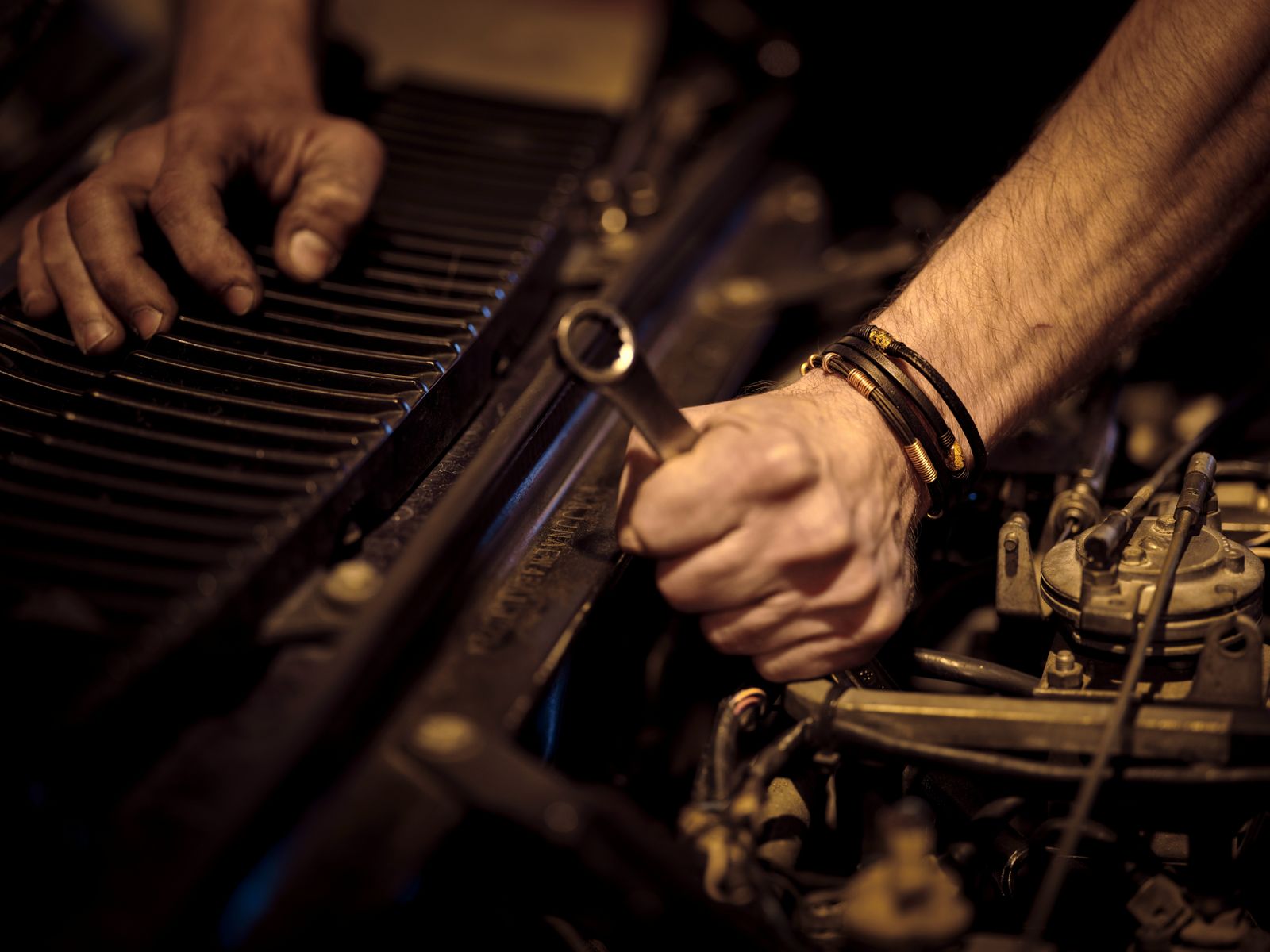
The mechanic did the standard routine: checked the brake system, looked for a transmission issue, tested on a slight incline. Nothing. The car wasn’t creeping in neutral, it wasn’t slipping, it wasn’t doing anything a car does when it’s “moving by itself.” He even humored her concern about the parking brake being weak, gave it a tug test, shrugged, and told her it was fine.
Then he asked a question that shifted the entire vibe: “Do you have a second key fob?” Not as in “a spare in a drawer,” but as in “another working one.” Because apparently the car’s system showed recent unlock and start events that didn’t line up with what she’d described, and it looked like someone was using a valid key.
She said no, just the one key she used every day and the dumb emergency spare. The mechanic nodded like he’d heard that before, and asked her to bring in every key that could possibly start the car. She showed up with her main key and the spare from the kitchen drawer, and he ran them. Both were registered. Nothing else was supposed to be.
But when he dug a little deeper—because curiosity is a powerful force in any shop—he found evidence of another key having been paired at some point. Not “hacked,” not “hotwired,” just… programmed. The kind of thing you do when you have access and time, not when you’re sneaking around with a coat hanger at 3 a.m.
That’s when her stomach dropped in a completely different way. Because if this wasn’t a stranger, then it was someone closer. Someone who had access to her house, her schedule, her normal habits. Someone who knew how to put the car back almost exactly where it was.
The spare key wasn’t missing—her teen wasn’t honest
At home, she did the uncomfortable inventory in her head. Who had access to the keys? Who could’ve gotten the car paired without her noticing? The only obvious answer was her teenager, a 17-year-old who’d been moody in that normal teenager way—headphones, closed bedroom door, vague answers about where they’d been. It wasn’t suspicious until suddenly everything was suspicious.
She didn’t go in guns blazing at first. She asked a few soft questions over dinner: “Did you use my car last night?” “Have you seen the spare key?” The teen didn’t even look up from their plate and said no in a flat, bored voice, the kind that’s meant to shut down conversation.
So she changed tactics. She asked to see their phone, casually, like it was about screen time or school stuff. The teen tensed instantly, which was its own answer. They said they’d left it in their room, then said it was dead, then said she was being weird, and suddenly it wasn’t a conversation anymore—it was a standoff in the kitchen with a parent trying to stay calm and a kid trying to keep control.
That night she did the thing parents swear they won’t do until they feel cornered: she searched. Not a full-blown toss-the-room search, but a careful look in the places where things hide when someone thinks they’re clever. In the pocket of an old hoodie hanging behind the closet door, she found a key fob that wasn’t hers.
It wasn’t even subtle. It was the same brand, same style, the kind you’d recognize immediately once you were looking for it. She stood there holding it, feeling that mix of relief and rage—relief it wasn’t a stranger, rage that it was her kid.
The secret job explained the miles—and created a new fight
When she confronted the teen with the key in her hand, the denial lasted about three seconds. Then the story tumbled out in pieces, like someone dumping a backpack on the floor: they’d made a spare months ago, just in case. They’d signed up for DoorDash because they wanted money without asking for it, and because they were tired of hearing “we’ll see” whenever they asked for something.
The teen had been taking late-night deliveries because the pay was better and they didn’t have to deal with school friends seeing them. They’d been trying to put the car back exactly where it was, wiping down the console, even cracking the windows to air it out. That’s why it looked “almost the same,” the way a teenager thinks “almost” counts as “problem solved.”
Her first reaction wasn’t even about the car. It was fear—pure, ugly fear—because she pictured her kid driving around in the dark, pulling into strangers’ driveways, walking up to unknown doors, all while believing they were being responsible. She asked if they’d told anyone, if they’d been to unsafe neighborhoods, if they’d ever felt followed. The teen rolled their eyes and said they were fine, which somehow made her more furious.
Then came the second layer: the betrayal. Not the job itself, but the lying, the secret key, the fact that she’d been waking up feeling like someone was violating her space and it was her own kid doing it. She kept saying, “Why didn’t you just tell me?” and the teen kept answering, “Because you would’ve said no.”
And here’s the thing: she probably would have. Not because she wanted to control them, but because she knew the insurance situation, the liability, the risk, the wear on the car she depended on to get to work. The teen, on the other hand, saw a car sitting in the driveway overnight and thought of it like unused potential.
By the end of it, the mechanic mystery was solved, but the house felt heavier than it had when she thought a stranger was creeping around. She took the extra fob, told the teen they weren’t driving her car, and started talking about consequences—grounding, repayment for mileage, maybe calling DoorDash to shut it down. The teen fired back with accusations about money and trust and how she “never listens,” and then slammed their bedroom door hard enough to rattle a picture frame in the hallway.
The next morning the car was exactly where she left it, finally still and obedient in the driveway. But she didn’t feel calm looking at it; she felt tired, like the whole situation had been a preview of the next few years. The creepiest part wasn’t that the car had been moving at night—it was realizing her kid had become someone she couldn’t track, couldn’t predict, and apparently couldn’t stop without turning the home into a battleground.
More from Steel Horse Rides: