

It started the way a lot of messy relationship blowups start: with something small that didn’t belong. She wasn’t snooping, not at first. She was doing that normal spouse thing where you borrow the truck because yours is blocked in, and you tell yourself you’ll bring it back with the gas topped off and the floor mats not full of gravel.
He kept his truck like a rolling junk drawer—receipts, fast-food napkins, a stray socket wrench that had lived under the seat since 2021. She reached between the console and the passenger seat for her sunglasses and felt a hard rectangle. When she pulled it out, it was a hotel key sleeve, the kind with the glossy photo of a pool nobody ever uses, and a key card tucked inside like it belonged there.
She stared at it longer than she’d admit later. Their anniversary trip had been months ago, and this wasn’t that hotel. Different logo, different colors, and the back of the sleeve had “Room ____” with a number written in pen—except the ink had been smeared like someone’s thumb had dragged through it in a hurry.
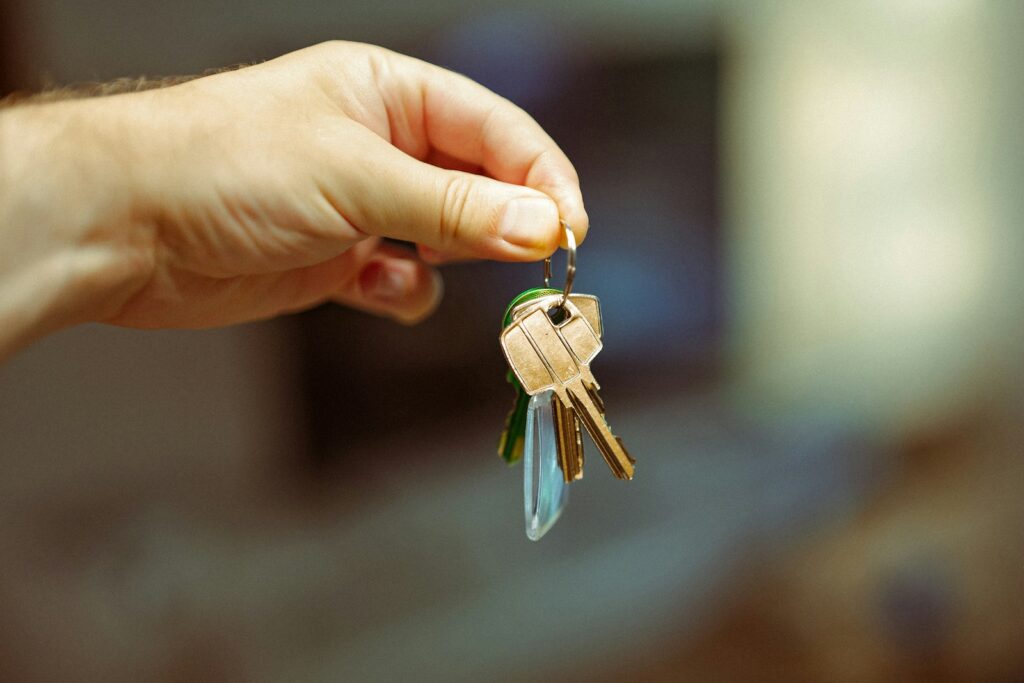
The key card that wasn’t supposed to exist
She didn’t confront him right away, which is honestly the part that makes it feel real. Most people don’t go from “weird object in the car” to “full accusation” in ten seconds; they go quiet. She slid the key card back into the sleeve, put it in her purse, and drove the truck like she hadn’t just found a loose thread on a sweater she’d been wearing for years.
That night, she waited for an opening. He came home with the same routine energy: shoes off by the door, a quick kiss that landed closer to her cheek than her mouth, and a comment about being exhausted. When she asked, casually, “Did you stop anywhere after work?” he didn’t miss a beat. “Nah, just the usual,” he said, already looking past her toward the kitchen like he could see dinner through walls.
She tried again, softer. “What’s the ‘usual’?” He shrugged and gave her the vague outline—work, gas station, home—like he was sketching a map from memory and leaving out the parts that would cost him. The thing was, he used to be specific. Lately, he’d gotten good at saying a lot while giving nothing away.
Later, while he showered, she pulled the sleeve back out and looked at it like it might change. There was a faint crease across the key card, like it had been sat on or shoved into a pocket. A hotel doesn’t just hand those out as party favors, and he wasn’t the kind of guy who collected random memorabilia.
The “work trip” explanation that didn’t fit
The next morning, she went for the approach that gives the other person room to tell the truth without feeling cornered. She put the sleeve on the kitchen counter, right next to his coffee, and said, “Hey, I found this in your truck.” Not “Explain yourself.” Not “Who is she?” Just a plain statement, like she’d found a missing sock.
He froze long enough for her to notice. Then he did that thing where he tried to look confused but got the timing wrong, like an actor who missed his cue. “Oh,” he said, picking it up too quickly. “That’s… from a work thing.”
She asked what kind of work thing came with a hotel key and a room number. He said a coworker had booked rooms for an out-of-town client and he’d ended up holding onto the spare. The story came out in pieces, each one arriving slightly too late, and none of them matched the details on the sleeve—especially the smudged handwritten number, which didn’t look like something a front desk clerk would scribble.
She didn’t raise her voice. She just watched him talk. People give themselves away when you don’t interrupt them, and the longer he tried to patch the explanation, the more it started to sound like a leaky bucket.
The GPS history that turned a suspicion into a plan
After he left for work, she did what a lot of people do when their gut stops being vague and starts being loud. She went to the truck. He’d always bragged about how “organized” he was with his tech, which mostly meant his truck’s infotainment system was synced to his phone and he never cleared anything because he didn’t think he’d need to.
She wasn’t hacking. She didn’t need a password. She just tapped through the navigation menu until she found the recent destinations. There it was: a list of addresses with timestamps, clean and unbothered, like the truck had no idea it was about to ruin someone’s week.
She saw the hotel first, listed more than once. Not just “passed by,” either—arrived, stayed. The timestamps were the part that made her sit back and exhale through her nose, slow and sharp. These weren’t late-night drives for fast food. These were weekday afternoons, wedged neatly into the hours he’d told her were “overtime” and “meetings.”
The GPS didn’t give her a smoking gun so much as a full diagram. A particular destination kept popping up right before the hotel—an office park on the opposite side of town, nowhere near his workplace. Then the hotel. Then home, with enough time in between that nobody was rushing in for a quick nap.
Room number energy: how she lined it all up
She went back to the key sleeve and held it under the kitchen light. The smeared number wasn’t unreadable, just messy. She traced it with her finger and realized the ink had dragged, but the impression was still there, like a ghost of what had been written. It looked like 312. Or 318. The last digit was the problem.
So she did the unglamorous detective work people don’t think about until they’re forced into it. She looked up the hotel online and checked the layout photos—where the elevators were, what floor the standard rooms started on, how the doors were numbered in the hall shots. Then she called the hotel, not to accuse anyone, but to ask an innocent question about meeting rooms “near the third-floor vending machines,” like she was planning a conference.
That call told her what she needed without anyone realizing they were helping. Third floor existed. Rooms in the 300s were regular rooms, not suites. And if you wanted “privacy,” the corner rooms had less hallway traffic.
With the GPS history and that half-smeared number, she didn’t feel calm, exactly. She felt focused. It wasn’t rage yet. It was the kind of clarity that comes when you stop hoping you’re wrong and start collecting facts so you can’t be gaslit later.
She didn’t confront him that night, either. She watched him move through the house like a person who still believed he was invisible. He laughed at a video on his phone, complained about a coworker, asked her what was for dinner, and didn’t notice her eyes on his hands when he picked up his keys.
The confrontation that wasn’t a scream-fest
Two days later, he said he had to “stay late” again. She nodded and said okay, and her voice didn’t shake, which probably scared her more than if it had. When he left, she waited a beat, then got in her own car and drove to the hotel address from the GPS, the one that kept showing up like a recurring nightmare.
She didn’t march to the front desk demanding answers. She sat in the parking lot, watching people come and go, feeling ridiculous and sick and extremely awake. She saw his truck after fifteen minutes, pulled in like it belonged there, parked a few rows over, and she felt her stomach drop so hard it was almost quiet.
He got out, checked his phone, and walked in with the relaxed posture of someone doing something familiar. No looking over his shoulder. No hesitation. Like this was just another stop between work and home.
She followed after a minute, not close enough to be obvious. In the lobby, she didn’t see him, but she saw the elevator doors close. She stood by the brochure rack like she was reading about local attractions and waited for the next elevator, her heart doing that steady, brutal thump that makes time feel thick.
On the third floor, the hallway smelled like carpet cleaner and stale air conditioning. She walked slowly, scanning room numbers, and when she hit the 300s her hands started to tingle. Down the hall, she saw him—key card in hand—stopping at a door and tapping it like he wasn’t even worried it wouldn’t open.
The door clicked. He slipped inside without knocking.
She didn’t run up and throw it open like a movie. She stood there, a few doors away, staring at the number on the plaque. It was 318. Close enough to the smear that her earlier doubt felt almost insulting, like she’d tried too hard to give him the benefit of the doubt.
She pulled out her phone and took a photo of the door number, then another that included the corner of the hallway and the room number in the same frame, like she was documenting a pothole for the city. She didn’t cry. She didn’t even breathe right for a second.
When she finally walked back to the elevator, she passed a housekeeping cart and caught her own reflection in the mirrored panel of a framed print. Her face looked calm in a way that didn’t match what was happening inside her body. That was when the “room number energy” hit—the shift from confusion to certainty, from asking questions to making decisions.
She went home and put the hotel key sleeve on the dining table again, except this time it wasn’t an invitation for him to explain. It was evidence laid out where the truth could see itself. And when he walked through the door later with that same tired-lie energy, she didn’t ask where he’d been.
She asked, “How long has room 318 been yours?” and watched his face change in real time, like a mask slipping off a hook. He didn’t answer right away, and she didn’t fill the silence for him. The house felt suddenly too small for all the unsaid things, and the worst part was how normal the evening sounds still were—the fridge humming, a car passing outside—while their life quietly split down the middle, one hotel door number at a time.
More from Steel Horse Rides: