
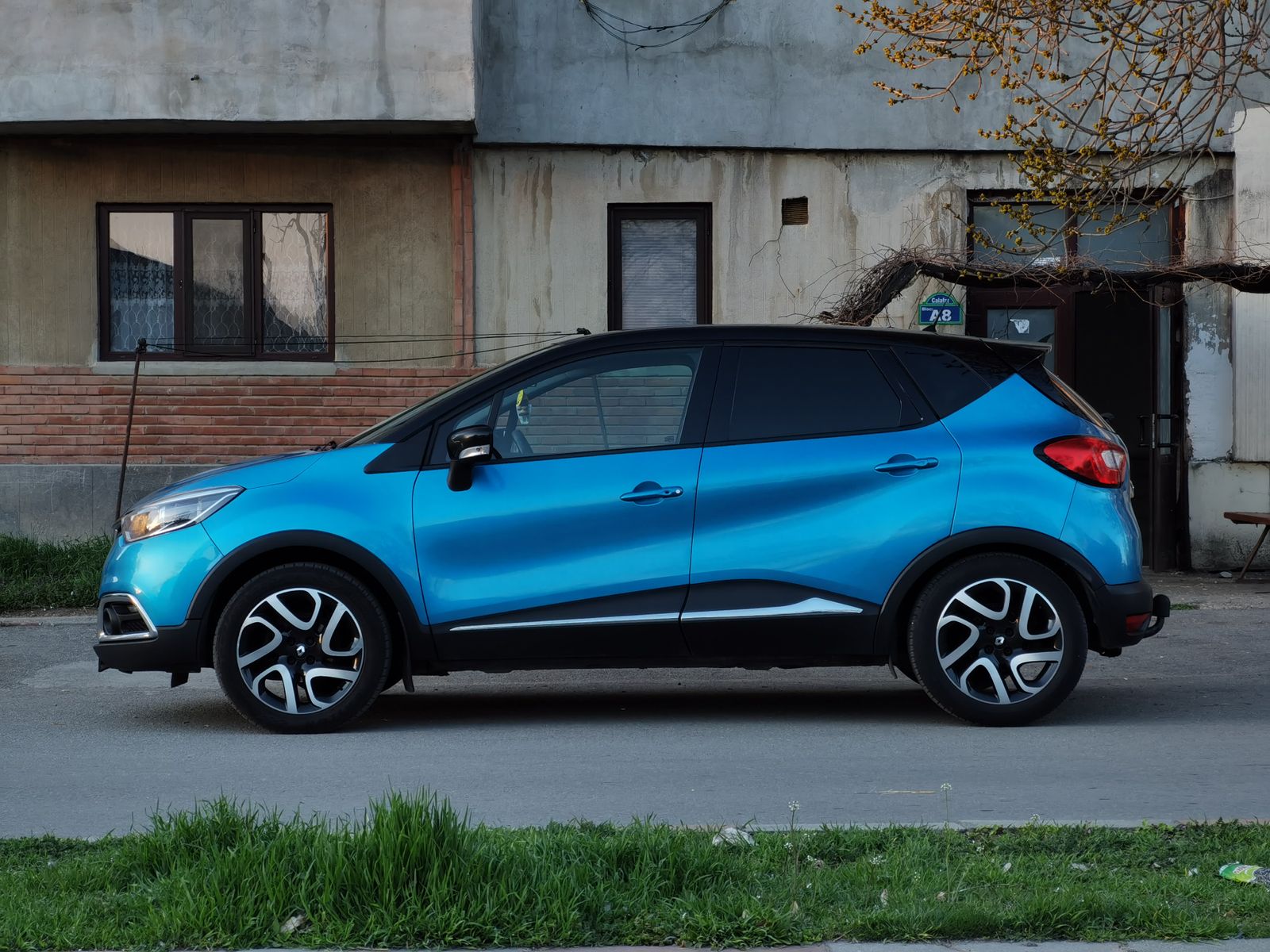

She’d been riding a streak of bad luck that felt personal: a rent hike, a surprise dental bill, and then her old sedan coughing up a check-engine light that never turned off. So when a co-worker forwarded her a “too good to ignore” listing for a compact SUV at a small used-car lot on the edge of town, she latched onto it hard. The photos were glossy, the mileage was “reasonable,” and the monthly payment fit into the version of her budget that assumed nothing else would go wrong.
Her dad didn’t even ask for the link at first. He just heard the name of the lot and made that slow, tired sound dads make when they’ve already seen the movie and hate the ending. He told her, flatly, not to buy from there—said he’d watched friends get burned, said he’d driven past and seen the same cars cycling through, said the place had that “flip-and-dump” energy. She heard all of it, and still went anyway, because she needed a car, and because she was tired of feeling like every decision required a committee meeting.
She brought him along to the lot mostly to keep the peace. If he saw it in person, maybe he’d relax. If he didn’t, at least she could say she’d tried to include him. He showed up with that protective-dad posture—hands on hips, eyes scanning the inventory like he was assessing threats—while she tried to stay upbeat and not look like someone asking permission.

The lot, the pitch, and the little red flags
The place was exactly what her dad had pictured: a narrow strip of cracked asphalt, cars parked nose-to-tail like they were being stored rather than sold, and a small office that looked like it had survived three different businesses. The salesman didn’t do the smooth, friendly routine so much as the impatient one, like he was doing them a favor by acknowledging their existence. He talked fast, avoided details, and kept sliding the conversation back to “monthly payment” any time she asked about history.
The SUV looked good in that deceptive way certain used cars do—cleaned to a shine, air freshener hanging like a distraction, tires dressed up darker than they deserved. Her dad crouched down and squinted underneath, then stood back up and wiped his hands on his jeans like he’d touched something gross. He asked about service records, got a vague “we inspected it,” and the salesman pivoted to pointing out the Bluetooth and the backup camera.
There were small moments that kept stacking up. The salesman got weirdly defensive when her dad mentioned taking it to an independent mechanic, and he tried to make it sound like that was an insult. He pushed a warranty that was mostly fine print and insisted “these transmissions are solid,” which is the kind of sentence no one says unless they’re trying to preempt a problem. Her dad didn’t argue; he just looked at his daughter and raised his eyebrows in a way that said, you hearing this?
Why she bought it anyway
She test-drove it with her dad in the passenger seat, both of them listening harder than they talked. It shifted a little rough from second to third, but the road was bumpy and the salesman was chirping about how it “just needs to be driven” after sitting. Her dad said, carefully, that the shift didn’t feel right, and she felt her face get hot with embarrassment—like he was ruining her chance to finally solve her transportation problem.
Back at the lot, she did the mental math that always wins in the moment: her old car was a ticking time bomb, she couldn’t keep borrowing rides, and the bank pre-approval was expiring. The salesman kept tapping the paper with a pen like it was a countdown. Her dad stepped aside with her near the office window and said, quieter now, “I’m not trying to control you. I’m trying to save you.”
She heard the concern underneath it, but she also heard judgment—the implication that she couldn’t handle adult decisions without him. That’s what it felt like, anyway. So she signed, not dramatically, not defiantly, just with that hollow determination of someone who wants the argument to end and needs the problem to be over.
Two miles off the lot
They left in separate cars because her dad had driven her there, expecting to follow her home and make sure it didn’t do anything weird. For the first mile, it felt fine, and she even started rehearsing a little “see, it’s okay” speech in her head. The air inside the SUV smelled like detail spray and artificial vanilla, and she tried to enjoy the quiet of not hearing her old sedan rattle.
Then, at a red light, the shifter jolted like something kicked it from inside. The engine revved, but the car didn’t move the way it should, like it was slipping on an invisible patch of ice. The light turned green, and she pressed the gas, and the SUV gave her a brief, sickly surge before lurching and dropping power again.
In her rearview mirror, she saw her dad’s car pull up behind her, too close for comfort, because he’d clearly noticed something was off. She flicked on the hazard lights with a sharp click that felt louder than it should. The SUV rolled forward a few feet and then stopped dead in the lane, right there in front of him, as if it had waited until he could witness it.
The dad look, the tow truck, and the long phone call
Her dad got out immediately, not angry yet—just brisk, focused, the way he moved when something broke in the house. He leaned into her driver’s window and asked what it was doing, and she could barely answer because her throat had tightened with that humiliating mix of panic and regret. Cars behind them started edging around, and one guy laid on the horn long enough to make it feel personal.
They managed to push it to the shoulder with her dad steering from outside while she tried to feather the brake and keep it straight. The transmission smell hit next, that burnt, oily heat that makes your stomach sink even if you don’t know what it means. Her dad didn’t say “I told you so,” not right away, but his face did—the tight jaw, the narrowed eyes, the stare that went past the car like he wanted to look through time to stop her from signing.
When the tow truck came, the driver asked what happened, and her dad answered in clipped sentences, like he was testifying. She called the lot while standing on the shoulder, trying to keep her voice calm over the roar of passing traffic. The salesman picked up with the same rushed confidence, until she said, “The transmission died on the way home,” and his tone turned instantly careful, like he’d stepped onto thin ice.
He tried the classic move: bring it back, we’ll “take a look,” don’t worry, it’s probably something small. Her dad, standing close enough to hear, shook his head and mouthed, “No.” She asked about returning it outright, and the salesman started talking about paperwork, policies, and how “used cars are sold as-is,” even though he’d made a big show of how reliable it was two hours earlier.
Back at the lot, and the fight nobody wanted
They had the SUV towed straight back, because the idea of letting the lot touch it felt like swallowing a hook, but they also didn’t have many choices. The tow truck dropped it in front like a dead animal being delivered to the porch. The salesman came out with a practiced smile that didn’t reach his eyes, and he kept calling her “ma’am” like politeness could bleach the situation clean.
Inside the office, the air was stale and the fluorescent lights made everyone look worse. Her dad stayed quiet at first, arms crossed, letting his daughter do the talking since it was her name on the paperwork. She asked for the manager, and the salesman said he was the manager, and then she asked for the owner, and he said the owner wasn’t available, and the conversation started looping like a trap.
Her dad finally spoke when the salesman suggested they could “fix it” if she’d just give them a couple days. He asked, point-blank, why a vehicle that supposedly passed inspection couldn’t make it two miles without losing its transmission. The salesman’s eyes flicked to the paperwork and back, and he started using the word “unfortunate” over and over, like it was a shield.
That’s when the emotional mess really showed itself. Her dad wasn’t yelling, but his disappointment had weight, and she felt it pressing on her from both sides: the lot treating her like a sucker, and her dad looking like a man watching his kid get scammed in slow motion. She snapped at him once—something like, “Can you not right now?”—and he snapped back, “I tried not right now this morning.”
They left without a refund, without a clear promise, and with the SUV still sitting there like a hostage. The lot offered to “diagnose” it, which sounded less like help and more like a way to run out the clock. In the car ride home—back in her dad’s older, reliable vehicle—she stared out the window and didn’t talk, while he gripped the steering wheel like he was holding himself back from saying the sentence that kept trying to escape.
Later, she’d be stuck deciding whether to pay for an independent inspection and lawyer up, or gamble on the lot’s “repair,” or eat the loss and fight the financing company on technicalities she didn’t fully understand. Her dad would keep offering solutions in that problem-solving way that sometimes feels like love and sometimes feels like being managed. And the worst part wasn’t even the money—it was that the transmission dying right in front of him had turned their private tension into a scene, one she couldn’t stop replaying, because the look on his face said he wasn’t just mad at the lot.
More from Steel Horse Rides: